


Blood Cholesterol Marker Flags Brain Injury Risk in Growth-Restricted Infants
A blood-based cholesterol metabolite, 24S-hydroxycholesterol, shows reduced levels in IUGR infants and predicts neurodevelopmental risk in new mouse and clinical ...
A blood-based cholesterol metabolite, 24S-hydroxycholesterol, shows reduced levels in IUGR infants and predicts neurodevelopmental risk in new mouse and clinical ...
A mouse study of traumatic brain injury found that astrocytes increase mitochondrial transfer to neurons via extracellular vesicles, a response ...
Deleting the Polycomb protein PCGF1 in the mouse dorsal forebrain selectively blocks astrocyte production by lifting repression of N4bp1, a ...
A new mouse and cell study found that the plant flavonoid apigenin improved chemically induced cognitive deficits by activating GPR30 ...
A mouse study finds that age- and diet-dependent changes in astrocyte complexity within the hippocampal temporoammonic pathway parallel spatial learning ...

Researchers built a human blood-brain barrier model combined with antiviral testing, validated it with anti-HIV drugs, showed TBEV crosses an ...
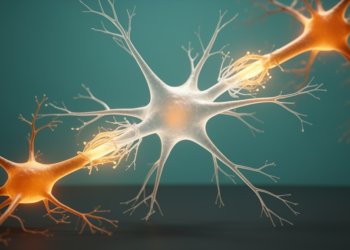
A study of Fragile X syndrome model mice finds that microglia and astroglia over-engulf synaptic material and that glial signaling ...
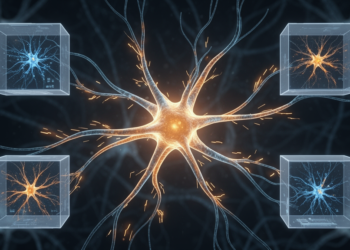
A systematic comparison shows four neuroscience simulation tools produce consistent calcium reaction–diffusion results, while astrocyte branchlet geometry strongly shapes signaling.
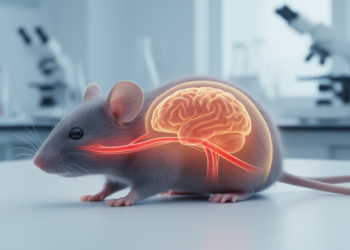
A mouse study found that an asymmetric 0.16/0.18-mm BCAS configuration produced earlier cognitive impairment, more persistent sensorimotor deficits, and more ...
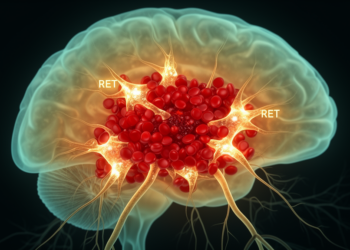
A mouse and cell-culture study finds that the RET protein in astrocytes helps protect nearby neurons from hemin-induced apoptosis after ...


Embark on a thrilling journey of discovery with Scienmag.com—your ultimate source for cutting-edge breakthroughs. Immerse yourself in a world where curiosity knows no limits and tomorrow’s possibilities become today’s reality!