


Neurological Lesion Methods Applied to Language Models Reveal Shared Error Patterns
Researchers applied clinical neurological lesion mapping to large language models, revealing that induced artificial injuries cause language errors similar to ...
Researchers applied clinical neurological lesion mapping to large language models, revealing that induced artificial injuries cause language errors similar to ...

An Australian experience-based co-design study documented how post-stroke aphasia creates barriers to web access and established priorities for building a ...
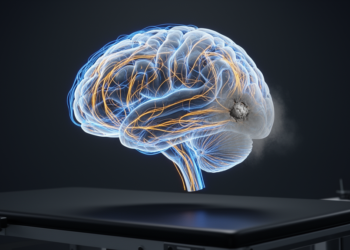
A narrative review maps how stroke disrupts large-scale brain networks and argues that connectome data could personalize cognitive rehabilitation, while ...
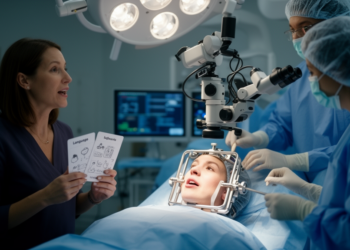
A retrospective study of 30 patients found that 30 percent showed acute neurological dysfunction within 72 hours of awake craniotomy, ...

Turkish researchers have developed and preclinically evaluated a mobile application targeting single-word auditory comprehension in aphasia, with healthy adults aged ...
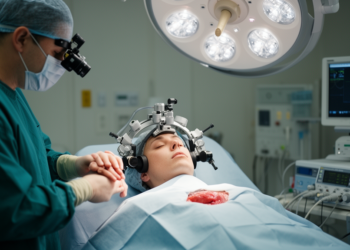
A retrospective study of 30 patients found that 30 percent showed new or worsened neurological dysfunction within 48 to 72 ...

An exploratory German-speaking focus group study identifies fragmented care, limited specialist access, and weak outpatient coordination as barriers to guideline-based ...
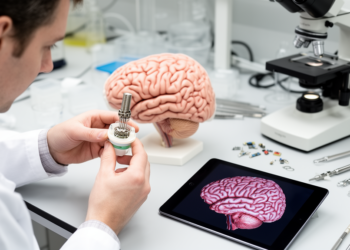
A 2026 hypothesis paper proposes the Auxilium, an extracranial system that could connect surviving brain tissue with external or biological ...
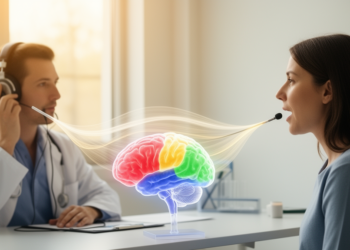
A new multimodal AI model from South Korea classifies five neurological language disorders from spontaneous speech while also estimating severity ...
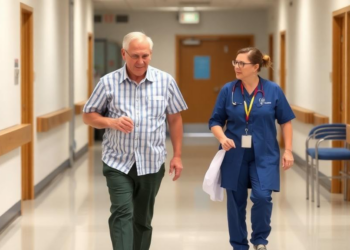
A case report describes how an 8-month multidisciplinary protocol combining rTMS, brain-computer interface training, and multimodal assessment was associated with ...


Embark on a thrilling journey of discovery with Scienmag.com—your ultimate source for cutting-edge breakthroughs. Immerse yourself in a world where curiosity knows no limits and tomorrow’s possibilities become today’s reality!