


Waste Eggshells and Cotton Stalks Turned Into Antibiotic-Capturing Biochar
Researchers combined waste cotton stalks and eggshells into a microwave-grafted, calcium-rich biochar that removes tetracycline from water with a maximum ...
Researchers combined waste cotton stalks and eggshells into a microwave-grafted, calcium-rich biochar that removes tetracycline from water with a maximum ...

A study of Swedish hospitals shows that ciprofloxacin and cefotaxime in hospital wastewater actively select for antibiotic-resistant bacteria in sewer ...
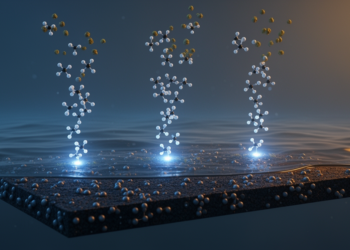
An asymmetrically coordinated zinc single-atom catalyst degrades antibiotics in water while converting the pollutants' own electrons into hydrogen peroxide.

A newly isolated soil bacterium, Paracoccus kondratievae 6H01, degraded 35.58 percent of erythromycin at 320 milligrams per liter within 72 ...
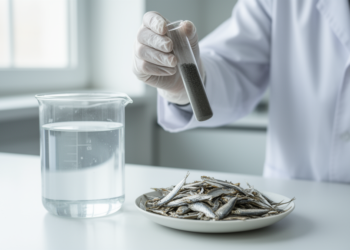
A carbon/apatite composite made from Nile tilapia fish scales removed the antibiotic ciprofloxacin from aqueous solutions with an experimental capacity ...
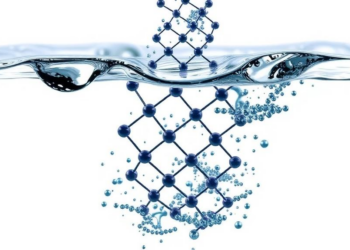
A new ternary ZIF-8/NiFe2O4/magnetic graphene oxide nanocomposite removes up to 96 percent of tetracycline from water, recovers magnetically and retains ...
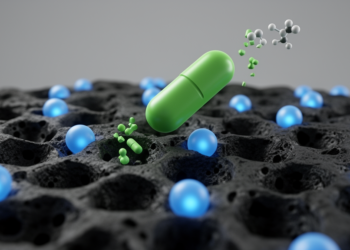
A metal-free carbon catalyst derived from covalent organic frameworks destroys the antibiotic levofloxacin with near-perfect efficiency, and researchers have now ...
Researchers in China built a boron-doped graphitic carbon nitride homojunction that, with persulfate and visible light, degrades 98.6 percent of ...
Researchers report a molecularly imprinted bismuth ferrite photocatalyst that degrades the antibiotic ciprofloxacin 2.52 times faster than the pristine material ...
Researchers in Egypt have developed a recyclable, polymer-stabilized nickel nitroprusside nanocatalyst that completely reduces the antibiotic metronidazole in water within ...


Embark on a thrilling journey of discovery with Scienmag.com—your ultimate source for cutting-edge breakthroughs. Immerse yourself in a world where curiosity knows no limits and tomorrow’s possibilities become today’s reality!