

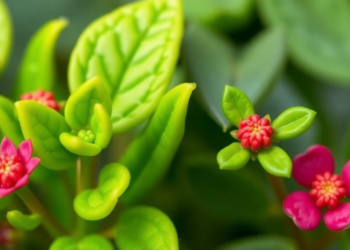
Same Species, Different Chemistry: Scientists Redefine What a Plant Chemotype Really Is
A new study from Bielefeld University shows that the term chemotype has been used inconsistently and proposes clear criteria for ...
A new study from Bielefeld University shows that the term chemotype has been used inconsistently and proposes clear criteria for ...
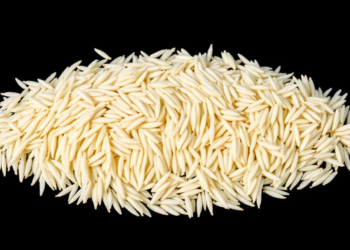
Researchers in Türkiye combined transfer learning with MobileNetV2, Xception, and classical classifiers to classify five rice varieties with up to ...

A new review explains how carbon dots convert light into heat and reactive oxygen species, and what stands between these ...
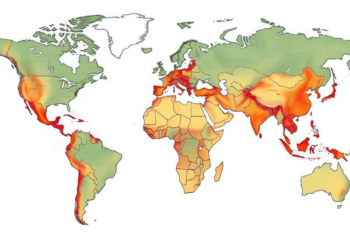
A new 5-arc-minute dataset quantifies how human-driven phosphorus inputs to land rose nearly elevenfold, from 3.8 to 41.0 teragrams per ...

A new PLOS Water study combines Sentinel-2 satellite data, OpenET evapotranspiration estimates, and unsupervised machine learning to reveal 13 distinct ...
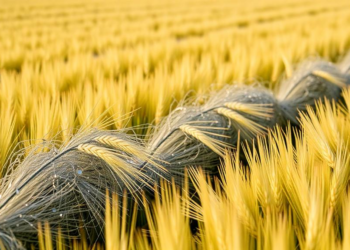
A multiyear Tunisian study finds that irrigating barley with treated wastewater for up to three consecutive cycles increases seed production ...
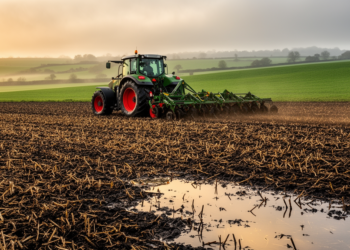
A Swiss lysimeter experiment found that non-inversion tillage reduced nitrate leaching by up to 42 percent on some soils during ...
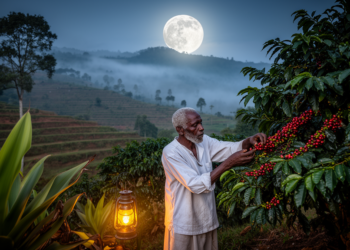
New research documents how Ethiopia's Gedeo society organizes marriage, agriculture, and forecasts of war, disease, peace, and rain around named ...
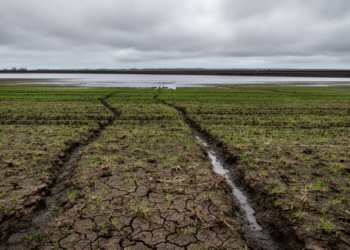
A global satellite-based analysis finds that croplands converted from wetlands since 2000 contribute only 0.1 percent of world crop production ...
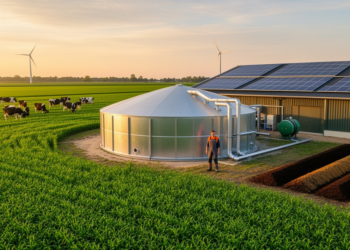
Integrated modelling of Ireland's land sector shows that circular economy measures modestly cut emissions but substantially strengthen the resilience of ...


Embark on a thrilling journey of discovery with Scienmag.com—your ultimate source for cutting-edge breakthroughs. Immerse yourself in a world where curiosity knows no limits and tomorrow’s possibilities become today’s reality!