


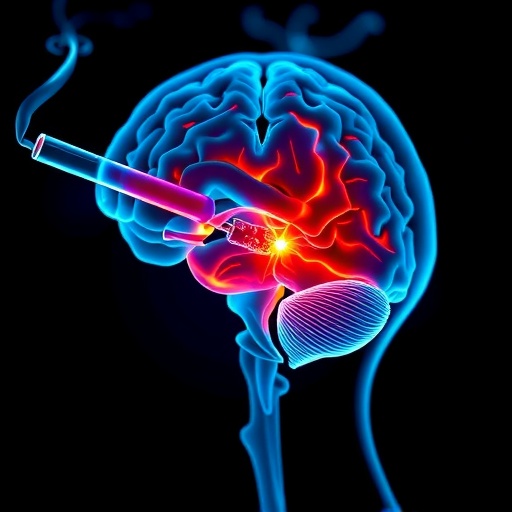
In recent years, the intersection of traumatic brain injury (TBI) and stroke risk has gained increasing attention among researchers, particularly when considering older adults. A groundbreaking study spearheaded by Jeon, Choi, Kim, and colleagues (2026) sheds new light on how lifestyle factors such as smoking and alcohol consumption influence this critical relationship. Their findings delve deeply into the vascular and neurological complexities that underlie post-TBI stroke susceptibility, offering unprecedented insight into the long-term health trajectories of an aging population vulnerable to such injuries.
Traumatic brain injury, defined as an alteration in brain function resulting from an external force, can have enduring effects long after the initial trauma occurs. While the immediate consequences of TBI, such as cognitive and motor impairments, are well documented, emerging evidence suggests that the repercussions extend far beyond the acute phase. Older adults, in particular, demonstrate a pronounced vulnerability, as their brains often possess reduced plasticity and resilience. This study provocatively uncovers how the compounding effects of smoking and alcohol — two behaviorally modifiable factors — exacerbate the risk of subsequent stroke events following TBI.
From a mechanistic standpoint, TBI initiates a cascade of neuroinflammatory responses that compromise cerebral blood flow and vascular integrity. These processes set the stage for ischemic and hemorrhagic strokes by disrupting the delicate homeostasis of the neurovascular unit. Smoking adds another layer of complexity; it contributes to endothelial dysfunction through oxidative stress and promotes atherosclerosis, both of which potentiate cerebrovascular disease. Alcohol, depending on consumption patterns, further modulates inflammatory pathways and coagulation profiles. The intricate synopsis offered by Jeon et al. carefully dissects these intertwined mechanisms, emphasizing how the synergy between injury and lifestyle choices influences stroke risk.
The study employed a robust longitudinal design, tracking a large cohort of older adults who had experienced TBI and assessing their subsequent stroke incidence over several years. By incorporating comprehensive data on tobacco and alcohol use, the researchers were able to generate stratified risk profiles. These profiles underscore a stark dose-response relationship: heavier smoking and excessive alcohol intake correlate strongly with elevated stroke risk, while moderate or abstinent behaviors mitigate this danger. Such granular analysis paves the way for targeted prevention strategies tailored to individual behavioral contexts.
Importantly, this research transcends epidemiological observation by integrating advanced neuroimaging techniques alongside biochemical markers of vascular health. Magnetic resonance imaging revealed subtle microvascular damage and white matter changes more pronounced in TBI survivors who smoked or drank heavily, confirming the deleterious synergy observed clinically. Moreover, circulating markers such as C-reactive protein and homocysteine were elevated in these high-risk groups, reflecting systemic inflammation and endothelial injury that compound cerebral vulnerability. These findings position inflammatory and vascular biomarkers as pivotal mediators linking lifestyle factors to post-TBI stroke risk.
Another critical dimension addressed involves the aging brain’s limited reparative capacity post-TBI. The authors articulate how senescence-associated changes—including diminished angiogenic potential and a chronic pro-inflammatory milieu—intersect with exogenous insults from smoking and alcohol. This convergence intensifies vascular dysfunction and neuronal loss, perpetuating a vicious cycle. These insights highlight the pressing need to adopt holistic approaches in managing older TBI patients, accounting for both the biological underpinnings of aging and modifiable external exposures.
Of particular public health significance, the study delineates how cessation of smoking and moderation of alcohol use post-injury can substantially attenuate stroke risk. Intervention programs that integrate cognitive-behavioral strategies, pharmacotherapy, and social support systems tailored to older adults recovering from TBI could markedly improve prognosis. The research team advocates for heightened clinical vigilance and routine vascular risk assessments in this demographic to preempt adverse cerebrovascular outcomes. Their recommendations could revolutionize post-TBI rehabilitation paradigms, shifting focus toward comprehensive lifestyle modification.
In the broader context, this study invites a reevaluation of trauma care protocols. While the acute management of TBI remains paramount, extending clinical attention to the chronic sequelae associated with stroke risk represents a critical frontier. Multidisciplinary collaboration—encompassing neurologists, geriatricians, rehabilitation specialists, and behavioral health experts—is essential to devise integrative models of care. This approach recognizes TBI not solely as an isolated neurological event but as a pivotal risk factor for long-term vascular complications shaped by lifestyle choices.
Moreover, such findings have compelling implications for health policy and resource allocation. As global populations age and incidence of TBI rises due to falls and other causes in elderly cohorts, addressing preventable risk factors like smoking and alcohol abuse stands as an urgent priority. Tailored screening programs and public awareness campaigns can proactively diminish stroke burden post-TBI, ultimately reducing healthcare costs and improving quality of life. Jeon and colleagues’ research thus serves as a clarion call for the integration of preventative health measures into trauma recovery frameworks.
Scientifically, the study also illuminates novel avenues for molecular and pharmacological exploration. The characterization of inflammatory pathways and endothelial dysfunction in the context of combined TBI and lifestyle insults opens prospects for targeted therapies. Agents capable of mitigating oxidative stress, enhancing vascular repair, or modulating neuroimmune responses could profoundly alter disease trajectories. Ongoing clinical trials inspired by these findings may redefine therapeutic approaches, transcending symptom management to address root pathological processes underlying stroke post-TBI.
Ethically, the research compels reflection on how best to empower older adults in managing their health behaviors after brain injury. Informed consent processes, caregiver involvement, and culturally sensitive education must be intricately woven into rehabilitation strategies. Understanding individual psychosocial determinants that influence smoking and drinking behaviors post-TBI is critical for personalized intervention efficacy. The study prompts a more compassionate and patient-centered model that harmonizes scientific knowledge with lived experience.
In sum, the meticulous work undertaken by Jeon, Choi, Kim, and collaborators represents a milestone in neurogeriatric research. It definitively links modifiable lifestyle factors with heightened stroke risk following traumatic brain injury in older adults, underscoring an urgent, multifaceted public health challenge. As the global burden of neurovascular diseases continues to escalate, their integrative approach combining clinical, imaging, molecular, and behavioral data offers a template for future investigation and intervention.
The implications extend far beyond academia, resonating deeply with patients, caregivers, clinicians, and policymakers alike. Ultimately, this study heralds a paradigm shift in how the long-term consequences of TBI are conceptualized and addressed, signaling hope for improved prevention, management, and outcomes. The call to action is clear: by confronting smoking and alcohol consumption in this vulnerable population, tangible strides can be made in reducing stroke incidence and enhancing neurological health across the lifespan.
Cite Scienmag News
Cassandra Pierce. (April 17, 2026). Stroke Risk After TBI: Effects of Smoking, Alcohol. Scienmag. https://scienmag.com/stroke-risk-after-tbi-effects-of-smoking-alcohol/
Cassandra Pierce. "Stroke Risk After TBI: Effects of Smoking, Alcohol." Scienmag, 17 April 2026, https://scienmag.com/stroke-risk-after-tbi-effects-of-smoking-alcohol/. Accessed 3 September 2026.
Cassandra Pierce. "Stroke Risk After TBI: Effects of Smoking, Alcohol." Scienmag. April 17, 2026. https://scienmag.com/stroke-risk-after-tbi-effects-of-smoking-alcohol/


