

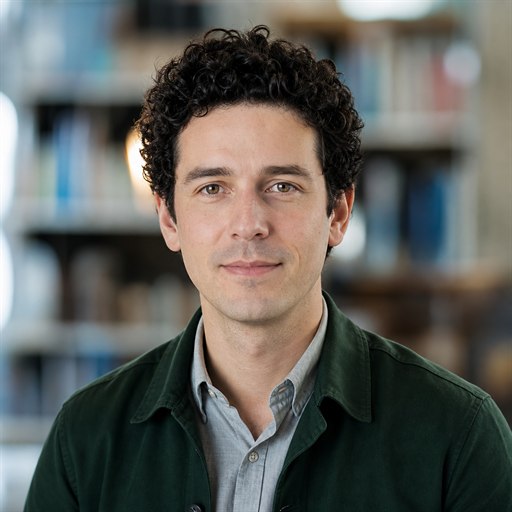
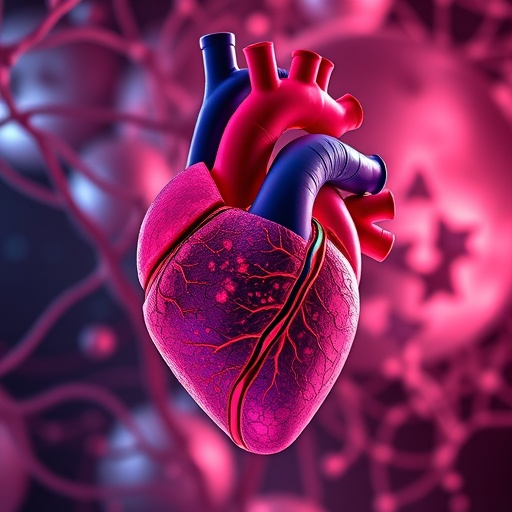
In an extraordinary leap for cardiovascular medicine, Dr. Arun Sharma and his pioneering laboratory at Cedars-Sinai are harnessing the unique conditions of space to revolutionize how we understand and treat failing hearts. Speaking at the 46th Annual Meeting and Scientific Sessions of the International Society for Heart and Lung Transplantation (ISHLT) in Toronto, Dr. Sharma unveiled groundbreaking research that leverages microgravity to accelerate and deepen the study of heart disease, potentially rewriting the future of cardiac therapy and transplantation.
The low-gravity environment aboard the International Space Station (ISS) presents a paradoxical yet invaluable milieu for cardiac research. Gravity, a constant on Earth, influences cellular behavior, tissue integrity, and organ function in ways that can obscure or slow down disease progression studies. In contrast, microgravity accelerates cardiovascular deconditioning — characterized by heart muscle weakening and metabolic alterations — providing a live model to observe age-related and disease-induced cardiac changes in compressed timelines. This accelerated aging process unfolds over weeks in space rather than years on Earth, enabling researchers to capture critical pathophysiological events with unprecedented clarity.
Dr. Sharma’s work focuses on elucidating the cellular and molecular mechanics underlying heart failure. By deploying sophisticated cell culture systems and patient-specific induced pluripotent stem cells (iPSCs) to space, his team cultivates three-dimensional, patient-derived cardiac tissues that more closely mimic native heart function than traditional two-dimensional cultures on Earth. These miniaturized heart organoids replicate essential features of the cardiac microenvironment, providing powerful platforms not only to decipher the biology of heart failure but also to screen therapeutic candidates in a setting that enhances tissue complexity and vascularization.
A remarkable advantage of microgravity is its facilitation of superior tissue architecture. In the absence of gravity’s compressive forces, engineered cardiac patches develop intricate three-dimensional structures with enhanced capillary networks, a feat difficult to achieve under terrestrial conditions. Such spatial and functional fidelity is crucial for developing transplantation-ready tissues capable of integrating seamlessly with host myocardium. The creation of more robust, physiologically relevant heart patches signals a massive stride toward bridging the gap between experimental stem cell therapies and clinical application.
These advances hold profound implications for the management of patients waiting for heart transplants. Current therapies struggle to maintain donor heart viability and optimize recipient status during often prolonged waiting periods. Space-generated cardiac patches could serve as biological bridges, partially restoring cardiac function, reducing the urgency for full organ replacement, and improving transplantation outcomes. Furthermore, precise insights into how cardiac tissue deconditions and remodels under microgravity stress could fine-tune pre-transplant care protocols, ensuring better organ preservation and patient health optimization.
The potential for biomanufacturing in space extends beyond patches into the realm of organoid fabrication with multiple heart components, including valves, conduits, and supporting matrix frameworks. Microgravity allows cells and the extracellular matrix to self-organize with greater precision, presenting the possibility of producing durable, physiologic heart structures that resist mechanical failure and calcification. This capability could dramatically reduce the need for repeat surgeries and improve the longevity of implantable cardiac devices, thereby transforming transplant medicine.
Dr. Sharma’s vision encompasses on-demand organ production tailored to individual genotypes and disease phenotypes. By exploiting iPSC technologies in conjunction with microgravity-enhanced tissue engineering, laboratories could one day fabricate bespoke heart tissues for personalized therapy. Such bespoke constructs would model patient-specific pathological features, allowing not only therapeutic interventions customized to individual needs but also precision drug testing to identify new pharmaceutical targets capable of arresting or reversing heart failure progression.
The cancer of cardiovascular disease has long challenged the field due to complex tissue architecture and limited regenerative capacity. Space-based research bypasses these issues by generating thicker, well-vascularized myocardial tissues less susceptible to collapse from gravity-driven forces upon return to Earth. This robustness is vital for ensuring the transplanted patches’ survival and functional integration, ultimately contributing to structural repair and recovery in failing hearts.
Crucially, the interdisciplinary nature of this research bridges cardiology, bioengineering, stem cell biology, and space medicine. It underscores the transformative potential of international collaboration and cutting-edge technology to tackle persistent medical challenges. With heart failure representing a leading cause of morbidity and mortality worldwide, the advent of microgravity-facilitated cardiac tissue engineering marks a beacon of hope for millions awaiting lifesaving treatments.
Dr. Sharma’s investigations continue aboard the ISS with experiments that capture real-time molecular and metabolic shifts in cardiac cells exposed to microgravity stress. Data gleaned from these studies inform the design of therapeutic strategies that can be promptly translated into Earth-based clinical settings. This dynamic interplay between space research and terrestrial medical innovation highlights the reciprocal benefits of investing in space medicine.
Looking forward, the integration of 3D bioprinting in space could enable scalable production of complex cardiac components, from contractile myocardium to valvular structures. This advance would address critical supply-demand gaps in transplant organ availability and open new frontiers in regenerative cardiology. Ultimately, these microgravity-enabled engineering breakthroughs promise to alleviate the burden of heart disease, reduce dependence on donor organs, and usher in an era of precision cardiac therapies with profound patient impact.
In summary, Dr. Arun Sharma and his team are pioneering a space-based cardiac research paradigm that accelerates disease modeling, enhances tissue engineering, and propels regenerative therapies. Their work represents a vital intersection of space science and medicine, harnessing the extraordinary environment of microgravity to unlock new possibilities for saving failing hearts and transforming the landscape of transplantation and regenerative cardiology worldwide.
News Publication Date:
April 22–25, 2024 (dates of ISHLT Annual Meeting)
Web References:
https://www.ishlt.org/
Cite Scienmag News
Gregory Coleman. (April 25, 2026). Space Experiments Reveal New Insights into Heart Failure and Advance Tissue Engineering Techniques. Scienmag. https://scienmag.com/space-experiments-reveal-new-insights-into-heart-failure-and-advance-tissue-engineering-techniques/
Gregory Coleman. "Space Experiments Reveal New Insights into Heart Failure and Advance Tissue Engineering Techniques." Scienmag, 25 April 2026, https://scienmag.com/space-experiments-reveal-new-insights-into-heart-failure-and-advance-tissue-engineering-techniques/. Accessed 4 September 2026.
Gregory Coleman. "Space Experiments Reveal New Insights into Heart Failure and Advance Tissue Engineering Techniques." Scienmag. April 25, 2026. https://scienmag.com/space-experiments-reveal-new-insights-into-heart-failure-and-advance-tissue-engineering-techniques/


