


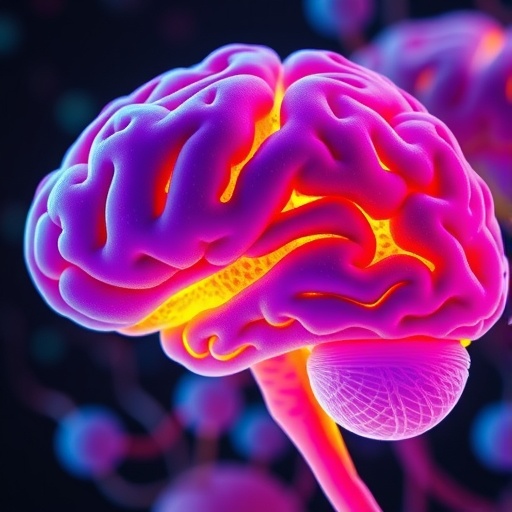
In a groundbreaking study published in the journal “Angiogenesis,” researchers led by W. Zheng, L. Chen, and J. Ma have unveiled unprecedented insights into the transcriptional landscape of cerebral cavernous malformations (CCMs) through single-cell sequencing techniques. This innovative approach not only illuminates the cellular complexity of these vascular anomalies but also provides a deeper understanding of their underlying pathophysiology, which has remained enigmatic for decades.
Cerebral cavernous malformations are vascular irregularities characterized by dilated blood vessels, which can lead to bleeding and seizures. Traditionally, the understanding of CCMs has been hampered by the limitations of bulk tissue analyses, which obscure the individual contributions of various cell types within these lesions. By employing single-cell RNA sequencing, the researchers have now successfully dissected the multifaceted cellular composition of CCMs, allowing them to identify specific gene expression profiles that may contribute to the disease’s progression.
The implications of this research are profound. Single-cell sequencing has emerged as a critical tool in modern biology, enabling scientists to obtain a granular view of the cellular components within tissues. In the context of CCMs, this approach has highlighted distinct cell populations that were previously overlooked, including endothelial cells, pericytes, and inflammatory mediators. By meticulously analyzing the transcriptional signatures of these cells, the team has shed light on the mechanisms driving CCM formation and growth.
One striking finding from the study is the altered expression of genes associated with vascular development and inflammation in CCMs. The researchers identified a notable upregulation of pro-inflammatory cytokines and adhesion molecules, suggesting a robust inflammatory response within these vascular malformations. This discovery aligns with clinical observations that link inflammation to the exacerbation of CCM symptoms, paving the way for potential therapeutic interventions targeting these pathways.
Additionally, the research uncovered a unique population of endothelial cells that display characteristics distinct from those in normal vasculature. These aberrant cells exhibited a transcriptional profile indicative of dysregulated angiogenesis, a hallmark of CCM pathology. The identification of this endothelial subset could open avenues for developing targeted therapies aimed at modulating angiogenic processes in CCM patients.
Furthermore, the study’s use of advanced computational tools to analyze single-cell data has revealed intricate intercellular interactions within the microenvironment of CCMs. The researchers constructed cellular interaction networks that illustrate how different cell types communicate and influence one another’s behavior. These findings underscore the complexity of CCM biology and the necessity of considering the tissue ecosystem as a whole when devising treatment strategies.
Importantly, the insights gained from single-cell sequencing extend beyond the realm of CCM research. The methodologies employed in this study could be applied to various other vascular anomalies and neurological disorders, enhancing our understanding of these conditions at a cellular level. The flexibility of single-cell RNA sequencing makes it an invaluable tool in the quest to unravel the complexities of human diseases and to identify novel therapeutic targets.
The implications of this study resonate with both researchers and clinicians alike, as understanding the transcriptional landscape of CCMs may facilitate the development of precision medicine approaches tailored to the unique genetic and molecular profiles of individual patients. As CCMs can present with a wide range of symptoms and severities, personalized treatment strategies could significantly improve patient outcomes and quality of life.
Moreover, the study emphasizes the importance of interdisciplinary collaboration in the field of biomedical research. The integration of expertise from molecular biology, computational analysis, and clinical knowledge was paramount in achieving the comprehensive insights presented in this research. This collaborative approach serves as a model for future investigations into complex diseases, highlighting the need for a multifaceted perspective in tackling health challenges.
As the research community continues to explore the intricate relationships between cellular components and disease states, the findings from Zheng and colleagues’ study mark a significant milestone in our understanding of cerebral cavernous malformations. By bridging the gap between basic science and clinical application, this research sets the stage for a new era of targeted therapies that prioritize the individual patient’s landscape.
In summary, the application of single-cell sequencing to the study of cerebral cavernous malformations offers profound insights into the transcriptional dynamics of these vascular lesions. The identification of distinct cellular populations and their transcriptional signatures presents new opportunities for therapeutic intervention and paves the way for advancements in personalized medicine. The ongoing journey of understanding CCMs continues to evolve, driven by innovative research approaches and the unyielding pursuit of knowledge.
In conclusion, Zheng, Chen, Ma, and their team have laid the groundwork for future explorations that delve deeper into the molecular underpinnings of cerebral cavernous malformations. As the field of single-cell genomics advances, it promises to unveil even more layers of complexity within various diseases, ultimately enhancing our ability to develop effective and individualized treatments that address the unmet clinical needs of patients worldwide.
Cite Scienmag News
Juliet Wilcox. (January 25, 2026). Single-Cell Sequencing Reveals Cerebral Cavernous Malformations Insights. Scienmag. https://scienmag.com/single-cell-sequencing-reveals-cerebral-cavernous-malformations-insights/
Juliet Wilcox. "Single-Cell Sequencing Reveals Cerebral Cavernous Malformations Insights." Scienmag, 25 January 2026, https://scienmag.com/single-cell-sequencing-reveals-cerebral-cavernous-malformations-insights/. Accessed 4 September 2026.
Juliet Wilcox. "Single-Cell Sequencing Reveals Cerebral Cavernous Malformations Insights." Scienmag. January 25, 2026. https://scienmag.com/single-cell-sequencing-reveals-cerebral-cavernous-malformations-insights/


