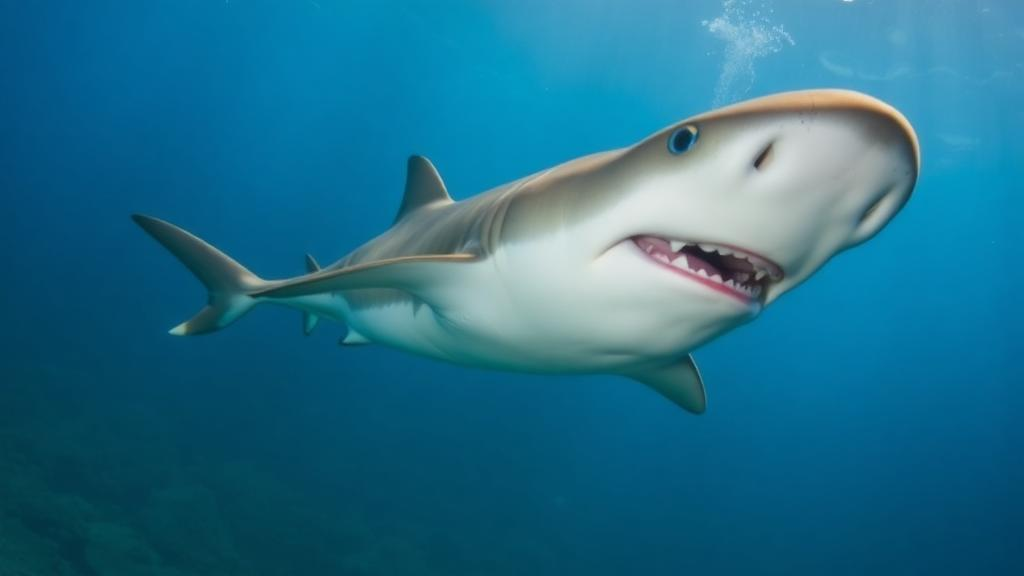
Swimming alongside a shark in open water is often described as a transformative experience, and a new study from the University of Sydney suggests that the transformation can last far longer than the boat ride home. Researchers report that people who join shark ecotourism tours are significantly more likely to take concrete action to protect sharks, from donating to conservation causes and signing petitions to speaking up on social media and advocating for legislation. Crucially, the study is the first to demonstrate that this commitment endures, with elevated conservation behavior still measurable at least two years after the encounter. Published in npj Ocean Sustainability, the findings arrive at a moment when shark populations are in steep decline worldwide and when the rapidly growing ecotourism industry is searching for evidence that its benefits extend beyond revenue.
The stakes for sharks could hardly be higher. Globally, shark populations have declined by 71 percent over the last 50 years, a collapse driven largely by overfishing, bycatch and habitat pressures, and roughly a third of shark and ray species are now threatened with extinction. These apex predators play an irreplaceable role in maintaining the structure and stability of marine ecosystems, and their loss ripples through food webs in ways that scientists are still working to fully understand. Public perception has historically worked against them, with sensationalist media portrayals cementing misconceptions about sharks as mindless threats to humans. In recent years, however, news media and online sentiment towards sharks has shifted in a more positive direction, a cultural current that the new research suggests ecotourism may be helping to reinforce.
Against that backdrop of decline, participation in shark ecotourism has been rising. The immersive, in-water experiences that allow tourists to observe sharks in their natural habitats are now offered in at least 20 countries, including the Bahamas, Australia, Hawaii, South Africa and Pacific nations such as Fiji, Palau and French Polynesia. More than 500,000 people a year are estimated to take part in interactive eco-activities with sharks and rays. Until now, the industry’s documented benefits have been largely economic, supporting coastal communities and creating financial incentives to keep sharks alive rather than fished. Whether those encounters translated into lasting pro-conservation behavior among participants had remained an open scientific question, one that previous studies were not designed to answer over meaningful timescales.
The new research was led by University of Sydney PhD candidate Carmen Dobszewicz in the Faculty of Science’s Social Dynamics and Environmental Change Lab, based in the School of Life and Environmental Sciences. To test whether shark encounters produce durable behavioral change, the team designed a longitudinal comparison of two cohorts, both sourced in Hawaii. The first group consisted of tourists participating in an experiential shark ecotourism tour in O’ahu. These participants snorkeled or free dived with sharks while accompanied by a marine biologist who surveyed the animals to support ongoing research and provided educational information about shark conservation. The comparison group comprised members of the general public sampled from Waikiki Beach, providing a baseline of people who had not undertaken an immersive shark encounter.
The study’s methodology is notable for its rigor in capturing change over time. Each group was surveyed at the time of the tour and then again two years later, and on both occasions respondents were asked whether they had engaged in shark conservation activities. By comparing the trajectories of the two groups, the researchers could isolate the effect of the ecotourism experience itself. The analysis accounted for differences between the groups at the start of the study, including demographic traits, prior involvement in conservation and attrition rates between the two surveys, factors that can otherwise confound longitudinal behavioral research. This statistical control strengthens the causal interpretation that the tour experience, rather than pre-existing differences among participants, drove the observed gains.
The results were striking. Two years after their tour, participants were 40 percent more likely to be engaging in shark conservation behavior than would have been expected had they not taken part. Conservation activity increased in both groups over the two-year period, reflecting the broader positive shift in public attitudes towards sharks, but the rise was considerably larger among tour participants. The biggest increases among those who had swum with sharks were in posting on social media, signing petitions, making donations and advocating for legislation, the kinds of low-barrier yet cumulative actions that conservation organizations rely on to build momentum for policy change.
Dobszewicz emphasized that the way tours are conducted appears to be central to their impact. Responsible operators do not simply put people in the water; they supplement the underwater experience with educational information on the role sharks play in the ecosystem, the threats they face and what can be done to mitigate those threats. According to Dobszewicz, this combination leaves tourists with a better understanding of the precarity of shark populations and what can be done to rebuild them. The study, she noted, is the first to track the long-term conservation impact of responsibly conducted shark encounters, and it offers practical guidance to ecotourism operators on how their efforts can translate into measurable conservation benefits rather than fleeting awe.
The implications extend well beyond sharks. Ecotourism is often criticized, sometimes fairly, for commodifying wildlife and for the carbon footprint and habitat disturbance that travel entails. Demonstrating that a responsibly run wildlife encounter can produce a 40 percent boost in durable conservation behavior, sustained over years, provides an evidence base for weighing those costs against genuine, quantifiable benefits. For operators, the findings suggest that investing in marine biologists, conservation messaging and research-linked programming is not just marketing but a mechanism for converting tourists into advocates. For policymakers and conservation funders, the work hints that ecotourism could be incorporated as a deliberate strategy for building public support for shark protection measures, complementing regulation and direct conservation interventions.
Senior author Associate Professor Michele Barnes framed the research as part of her lab’s broader program on the relationships between people and nature that underpin a sustainable future. Conservation ultimately depends on people, she said, and when meaningful connections between people and the natural world are built or strengthened, the conditions for lasting change are created. That framing situates the study within a growing body of social science treating human behavior not as a barrier to conservation but as its foundation, and it underscores why longitudinal evidence matters: attitudes can shift briefly after any powerful experience, but the O’ahu results show that a single well-designed encounter can echo through years of petitions, donations, posts and advocacy on behalf of one of the ocean’s most misunderstood predators.
Subject of Research: Longitudinal effects of shark ecotourism on conservation behavior
Article Title: How shark ecotourism sparks long-term conservation
Article References: How shark ecotourism sparks long-term conservation. (n.d.). Original publication
Image Credits: AI Generated
DOI: Not provided
Keywords: shark ecotourism, conservation behavior, shark decline, Hawaii, O'ahu, longitudinal study, marine conservation, University of Sydney, npj Ocean Sustainability, public attitudes, wildlife tourism, environmental psychology
Cite Scienmag News
Margaret Porter. (October 14, 2026). Shark ecotourism tours inspire two years of lasting conservation action. Scienmag. https://scienmag.com/shark-ecotourism-tours-inspire-two-years-of-lasting-conservation-action/
Margaret Porter. "Shark ecotourism tours inspire two years of lasting conservation action." Scienmag, 14 October 2026, https://scienmag.com/shark-ecotourism-tours-inspire-two-years-of-lasting-conservation-action/. Accessed 14 October 2026.
Margaret Porter. "Shark ecotourism tours inspire two years of lasting conservation action." Scienmag. October 14, 2026. https://scienmag.com/shark-ecotourism-tours-inspire-two-years-of-lasting-conservation-action/