


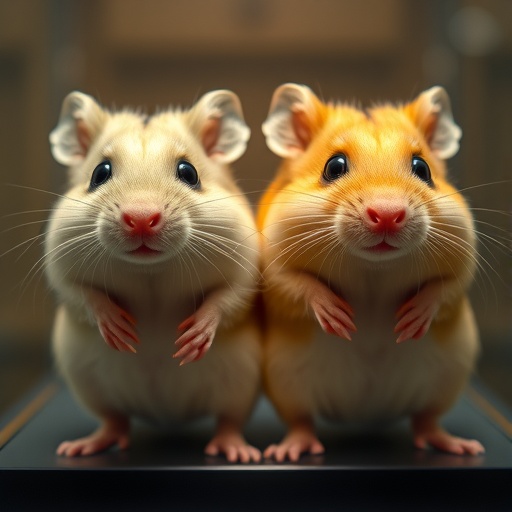
Recent research has uncovered intriguing sex differences regarding hypertension and renal injury in a specific hamster model, shedding light on the complexities of cardiovascular health. Angiotensin II, a hormone known for its role in increasing blood pressure, is central to this study, which examines how males and females respond differently to its influence. The findings, derived from experiments focusing on signifiers of health in hamsters, provide essential insights that may alter the understanding of hypertension treatments based on sex.
The study relies on a hamster model, which has been extensively validated in exploring the pathophysiology of hypertension. By focusing on the effects of angiotensin II, researchers can observe changes in vascular and renal responses among the subjects. Remarkably, the results indicate that male and female hamsters exhibit vastly different response patterns to the hormone, suggesting that previous research in predominantly male models may overlook critical insights applicable to female physiology.
At the core of the investigation is the comparison of physiological responses to stress related to hypertension. It delves into the initial systemic responses triggered by angiotensin II, including alterations in renal function thought to be influenced by sex-specific hormonal environments. While previous studies have often emphasized male responses due to the prevalence of male-oriented research models, this new analysis brings to light the potential complexities resulting from female hormonal cycles, creating a richer understanding of cardiovascular health.
Moreover, the researchers investigated molecular pathways activated by angiotensin II to better understand the varying responses in male and female hamsters. They found that males exhibited heightened sensitivity to the vasoconstrictive effects of angiotensin II, leading to increased blood pressure and subsequent renal damage. Conversely, female hamsters displayed a distinct protective effect, prompting a need for nuanced approaches to treatment that take sex differences into account.
The implications of these findings extend far beyond hamsters as they reveal fundamental truths about human health. The study raises questions not only about treatment paradigms for hypertension but also about how gender-specific biological responses can influence the success of therapeutic interventions. For instance, treatments that target specific angiotensin II pathways might yield different outcomes depending on patients’ sex, warranting further investigation into personalized medicine.
This exploration hints at the necessity for researchers to integrate sex as a biological variable in their studies moving forward. As cardiovascular diseases remain one of the leading causes of death globally, understanding how gender impacts physiological responses could lead to tailored therapies that are more effective and reduce adverse outcomes associated with hypertension and kidney injury.
Moreover, the differing experiences of males and females with hypertension shed light on broader public health issues, including the disproportionate impact of cardiovascular diseases on women. Historically overlooked in clinical research, the inclusion of female subjects in studies ensures that a more accurate picture of disease manifestation and treatment efficacy is achieved. This finding encourages researchers in the field to perpetuate a balanced approach in future studies and trials.
In addition, this research emphasizes the importance of holistic approaches in studying hypertensive conditions. It’s not only about targeting blood pressure directly but understanding the context of hormonal influences, genetic predispositions, and environmental factors that can interplay to form a comprehensive view of a patient’s health. The recognition of such complexities can foster the development of multi-faceted therapeutic strategies.
Furthermore, advancing our knowledge on sex differences in hypertension opens doors to innovations in drug development. The prevailing model of pharmacological intervention often neglects the variable responses determined by sex. This study advocates for the integration of these gender-specific findings into the design and implementation of future antihypertensive drugs to optimize efficacy across populations.
As additional studies corroborate these findings, clinicians are urged to question the adequacy of one-size-fits-all approaches in hypertension treatment. The differences illustrated in this hamster model may serve as an initial catalyst for medical professionals to adopt more individualized strategies that consider sex as a core feature of diagnosis and treatment protocols.
The next steps involve broadening the horizons of this research to include human clinical trials. Understanding how angiotensin II impacts diverse populations while considering sex differences will ultimately enhance public health initiatives and improve health outcomes in both men and women. This trajectory leads to the hope that tailored interventions could result in not only lower hypertension rates but also reduced incidences of associated renal impairments.
In conclusion, the work conducted by Ji et al. marks a significant stride towards establishing a framework that incorporates gender differences into the understanding of hypertension and renal injury. Their findings advocate for a shift in the dynamic of cardiac care, encouraging a more integrative perspective in clinical practices that encompass sex differences in physiological responses. As science progresses, the hope is to eliminate health disparities linked to these differences and enhance the lives of countless individuals suffering from hypertension worldwide.
Ji, H., Nascimento, L.G.d., Ahn, J. et al. Paradoxical sex differences in a hamster model of angiotensin II-dependent hypertension and associated renal injury.
Biol Sex Differ 16, 86 (2025). https://doi.org/10.1186/s13293-025-00755-y
Cite Scienmag News
Drew Townsend. (November 3, 2025). Sex Differences Unveiled in Hamster Hypertension Study. Scienmag. https://scienmag.com/sex-differences-unveiled-in-hamster-hypertension-study/
Drew Townsend. "Sex Differences Unveiled in Hamster Hypertension Study." Scienmag, 3 November 2025, https://scienmag.com/sex-differences-unveiled-in-hamster-hypertension-study/. Accessed 3 September 2026.
Drew Townsend. "Sex Differences Unveiled in Hamster Hypertension Study." Scienmag. November 3, 2025. https://scienmag.com/sex-differences-unveiled-in-hamster-hypertension-study/


