


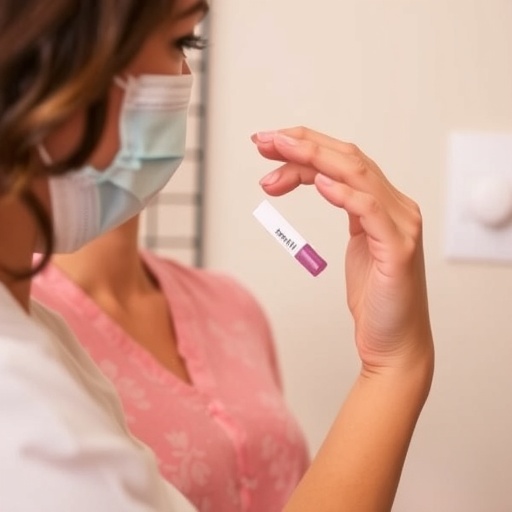
A pragmatic randomized controlled trial in Singapore tested whether cervical cancer screening participation and human papillomavirus (HPV) detection could be improved by offering self-collected samples alongside clinician-collected specimens. The study specifically targeted women aged 30 to 69 who were due for screening, addressing a persistent challenge: many eligible individuals decline clinic-based collection.
Researchers enrolled 650 women and randomly assigned them to either an intervention arm or usual care. Each arm included 325 participants. In the intervention group, women were informed about both sampling routes and were offered clinician sampling first, with self-sampling provided if they declined. The usual-care group was offered clinician sampling only, establishing a direct comparison between patient choice and clinician-only collection.
HPV detection rates were substantially higher in the intervention arm, rising to 3.1% compared with 0.3% in the usual-care arm. Screening uptake also increased meaningfully, reaching 56.6% versus 42.8%. These two outcomes together suggest that self-sampling lowered practical and behavioral barriers without compromising the ability to identify high-risk HPV types.
The investigators reported that the higher detection rate was driven largely by increased participation among previously unscreened women. Only a subset of participants contributed to the observed high-risk HPV cases, but among the ten cases identified, seven came from women who had not been screened before—an especially important signal for public health targeting under-screened populations.
Among the newly engaged women with high-risk HPV, detection frequently depended on the self-sampling option. Five of the seven cases among previously unscreened participants were detected through self-collected samples, highlighting the role of modality choice in reaching those most at risk of missed opportunities.
Notably, uptake rose not only among women with no prior screening history but also among those with a regular screening pattern. This indicates that self-sampling may improve both first-time engagement and continuity, rather than benefiting only those completely outside screening programs.
Within the intervention arm, among participants who completed screening, 56.4% selected self-sampling. Preferences were not uniform: women with lower educational attainment were less likely to choose self-sampling and more likely to forego screening entirely, pointing to equity-sensitive design needs.
Overall, the trial supports patient-centered screening strategies that present self-sampling as an accessible alternative while maintaining clinician involvement as an initial step. For viral science news, the finding is straightforward: better uptake means more HPV cases are found earlier, strengthening the upstream chain that prevents cervical cancer.
News Publication Date: 27-Jul-2026
Web References: https://www.annfammed.org/content/24/4/291
Cite Scienmag News
Nathaniel Bowman. (July 27, 2026). Self-Sampling Boosts HPV Detection and Increases Cervical Cancer Screening Rates. Scienmag. https://scienmag.com/self-sampling-boosts-hpv-detection-and-increases-cervical-cancer-screening-rates/
Nathaniel Bowman. "Self-Sampling Boosts HPV Detection and Increases Cervical Cancer Screening Rates." Scienmag, 27 July 2026, https://scienmag.com/self-sampling-boosts-hpv-detection-and-increases-cervical-cancer-screening-rates/. Accessed 4 September 2026.
Nathaniel Bowman. "Self-Sampling Boosts HPV Detection and Increases Cervical Cancer Screening Rates." Scienmag. July 27, 2026. https://scienmag.com/self-sampling-boosts-hpv-detection-and-increases-cervical-cancer-screening-rates/


