


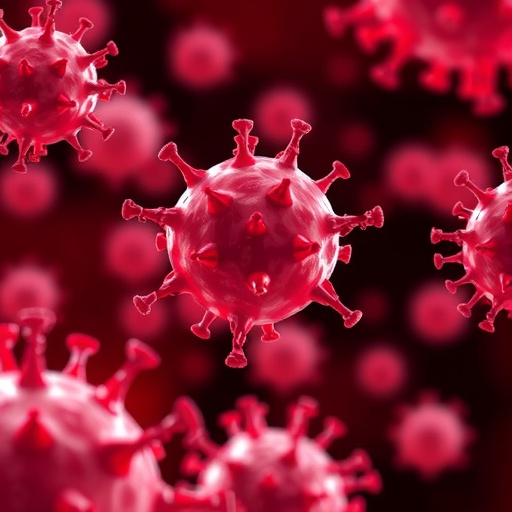
Scientists at Gladstone Institutes and UCSF have unveiled a groundbreaking genetic roadmap elucidating how HIV exploits human cells, providing unprecedented insight into the virus’s interaction with the immune system. Despite nearly four decades of research, the complex interplay between HIV and the host’s cellular machinery remained largely elusive—until now. By deploying advanced CRISPR gene-editing technology in primary human CD4+ T cells, the team systematically identified hundreds of human proteins that either facilitate or hinder HIV replication. This pioneering study marks the first comprehensive, genome-wide analysis of the host factors influencing HIV infection in authentic human immune cells, bridging a vital gap between laboratory models and real-world biology.
HIV, the virus responsible for AIDS, wields only nine genes to commandeer the intricate biological frameworks of the human body. This minimalist genetic arsenal belies HIV’s devastating efficacy in subverting immune defenses. Traditional research has relied heavily on immortalized cancer cell lines which, although convenient, fail to capture the true dynamics of viral infection in normal T cells. Recognizing this limitation, scientists led by Dr. Alex Marson capitalized on a decade’s worth of refinements in applying CRISPR technologies directly to primary T cells. Overcoming formidable challenges—including optimizing infection rates from a mere fraction to as high as 70%—they harnessed gene disruption and activation screens to delineate host factors critical to the viral lifecycle.
Their two-pronged CRISPR approach first involved knocking out each of approximately 20,000 human genes one by one to identify those essential for HIV replication. Parallel screens enhanced the expression of individual genes to reveal proteins capable of mounting antiviral responses. This dual methodology uncovered previously hidden host factors, showcasing the virus’s ability to silence certain natural defense genes. Elevating these genes’ activity unmasked their protective potential, revealing a more complex immune landscape than previously appreciated. The researchers underscored these findings as a critical foundation for novel therapeutic strategies aimed at strengthening host immunity rather than directly targeting the virus.
Among the hundreds of host proteins identified, two new antiviral champions—PI16 and PPID—emerged as particularly potent suppressors of HIV infection. PI16 operates early in the infection process, blocking the virus’s fusion with T cells and thereby preventing entry. PPID acts at a downstream stage, limiting HIV’s ability to infiltrate the nucleus and initiate genomic replication. Laboratory modifications enhancing PPID effectiveness resulted in a tenfold increase in its capacity to inhibit viral replication, suggesting promising avenues for drug development. These discoveries not only expand the catalog of antiviral factors but also highlight molecular targets potentially exploitable for future therapeutic interventions.
The team’s collaboration with eminent HIV researcher Dr. Jay Levy brought an added layer of clinical validation. By testing the effects of PI16 and PPID on rare, patient-derived viral strains from the earliest days of the AIDS epidemic, researchers confirmed these proteins’ antiviral efficacy against naturally occurring, resilient virus populations. This translational dimension reinforces the relevance of findings from engineered laboratory models to the complex realities of HIV diversity and pathogenesis in humans.
While antiretroviral therapy has transformed HIV into a manageable chronic condition, it fails to eradicate the virus due to latent reservoirs hidden throughout the body. These reservoirs enable viral resurgence if treatment is interrupted, presenting a major hurdle to curing HIV. The research team’s novel genetic screening platform offers a powerful tool to interrogate the molecular underpinnings of viral latency, an area that remains poorly understood. Optimizing this understanding could eventually lead to therapeutic strategies that expose and eradicate latent virus, moving closer to a functional cure.
This innovative platform also sets a precedent for studying other infectious diseases in their natural cellular contexts. By leveraging primary human cells and genome-wide CRISPR perturbations, scientists can generate detailed maps of host-pathogen interactions that closely mirror physiological reality. Such methodological advancements pave the way not only for deepened HIV knowledge but also for breakthroughs in combating a wide array of infectious agents that manipulate host cells.
The insights gained through this study represent a major leap forward in HIV biology, illuminating the multifaceted battles waged within individual T cells during infection. HIV’s success depends on its ability to manipulate a network of host proteins to facilitate entry, evade immune defenses, and replicate. By charting this genetic landscape, the Gladstone-UCSF team exposes vulnerabilities that were previously concealed and highlights the intricate co-evolutionary dance between virus and host. Their findings underscore the importance of human-centric models for infectious disease research, challenging decades of reliance on artificial cell lines.
Moreover, the broad genetic screens conducted illustrate the dynamic balance between proviral and antiviral forces within CD4+ T cells, underscoring the complexity of the immune environment faced by HIV. Both previously known and novel host factors contribute in varying degrees to infection susceptibility and defense. This nuanced picture offers hope for individualized therapeutic approaches that modulate host pathways to tip the scales against HIV, potentially limiting viral reservoirs and transmission.
Ultimately, this landmark research enriches the scientific community’s arsenal with a valuable repository of host genetic factors, accessible as a resource for future HIV research. The systematic dissection of host genes influencing viral infection invites further mechanistic studies and drug discovery efforts. As scientists worldwide build upon this work, the prospects for developing innovative therapies that bolster natural immune defenses against HIV become increasingly tangible.
Dr. Marson emphasizes that this study not only transforms our understanding of HIV but also establishes a prototype for investigating infectious diseases using human primary cells. By unleashing genome-wide CRISPR screening in authentic human immune cells, researchers now possess a powerful framework to unravel host-pathogen interactions at scale, promising accelerated discovery in immunology and infectious disease research.
In summary, this cutting-edge research represents a significant stride toward decoding the genetic underpinnings of HIV infection in authentic human T cells. Through an elegant combination of CRISPR gene editing and comprehensive functional genomics, scientists have identified critical host proteins that dictate viral success or failure. These findings herald a new era in HIV research, one characterized by physiological relevance, therapeutic potential, and a deeper grasp of the intricate molecular battles occurring within the immune system’s front line.
Cite Scienmag News
Juliet Wilcox. (April 20, 2026). Scientists Chart HIV’s Invasion of Human Cells—and Uncover How Cells Mount a Defense. Scienmag. https://scienmag.com/scientists-chart-hivs-invasion-of-human-cells-and-uncover-how-cells-mount-a-defense/
Juliet Wilcox. "Scientists Chart HIV’s Invasion of Human Cells—and Uncover How Cells Mount a Defense." Scienmag, 20 April 2026, https://scienmag.com/scientists-chart-hivs-invasion-of-human-cells-and-uncover-how-cells-mount-a-defense/. Accessed 4 September 2026.
Juliet Wilcox. "Scientists Chart HIV’s Invasion of Human Cells—and Uncover How Cells Mount a Defense." Scienmag. April 20, 2026. https://scienmag.com/scientists-chart-hivs-invasion-of-human-cells-and-uncover-how-cells-mount-a-defense/


