


In the digital age where social media influences public perception and information dissemination, one of the most compelling developments in science communication has emerged from the intersection of artificial intelligence and human-like avatars. Imagine scrolling through TikTok and encountering a digital representation of Albert Einstein, passionately explaining the theory of relativity or Nikola Tesla heralding the wonders of electricity. These avatars are not just whimsical creations; they reflect a serious effort to engage audiences with scientific content through AI technology. While this innovative approach garners millions of views, it raises vital questions about the effectiveness and trustworthiness of AI-generated figures in communicating critical scientific truths.
A recent study conducted by researchers at the Center for Advanced Internet Studies in Bochum, Germany, delves into the complexities of these humanoid avatars and their implications for audience perception. The researchers aimed to explore the phenomenon of the "uncanny valley," a term coined in robotics and cognitive science referring to the unsettling feeling experienced when humanoid representations appear almost, but not entirely, human-like. Their findings suggest that while the uncanny valley is a well-documented concept, its effects may not be as pronounced in the realm of AI-generated avatars as previously thought.
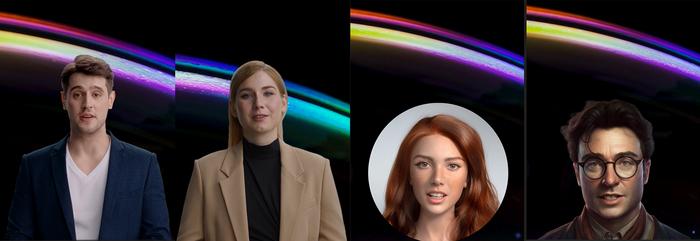
The study showcased a series of videos featuring both male and female AI-generated avatars serving as science communicators. Participants were exposed to two different avatar styles: highly realistic and cartoonish. The researchers closely monitored and analyzed the perceptions of approximately 500 individuals, ensuring a representative sample in terms of demographics like age, gender, and educational background to secure the validity of their findings.
Interestingly, contrary to the researchers’ initial hypothesis that cartoon avatars would feel more approachable and therefore trustworthy, the results indicated otherwise. Realistic avatars scored higher in perceived competence, integrity, and benevolence. This pivotal outcome suggests that advances in AI technology can create avatars that resonate trust and authenticity, even if they tread the delicate line of realism that typically invokes the uncanny valley response.
The implications of this study extend beyond mere aesthetics; they touch upon broader societal issues such as bias and representation in STEM fields. The armchair assumption is that observers might inherently prefer stylized representations, but it appears that viewers responded positively to avatars that closely mimic human attributes. This inclination pushes the envelope of how artificial intelligence can be harnessed to convey complex information, especially in the scientific realm, where traditional communication often struggles to engage a broader audience.
However, subtle nuances related to gender perception emerged in the research. While male avatars were often rated as more competent, this did not translate significantly into differences in perceived integrity or benevolence. This suggests that societal stereotypes and biases in how male and female scientists are viewed may still linger, affecting audience perception despite the advanced technology behind avatar creation. Future research must seek to dissect these gender-based perceptions further to ensure equality in how scientific messages are conveyed.
The study concluded that these realistic avatars could potentially transform the science communication landscape. Avatars designed with a heightened level of realism appear beneficial for disseminating scientific knowledge, breaking down barriers that often deter individuals from engaging with scientific literature or discussions. However, the researchers advocate for continued inquiry into this landscape, suggesting future studies aim to utilize a wider range of avatar realism levels, investigating the tonal shifts that may emerge.
Ironically, while the findings did not support the common belief surrounding the uncanny valley effect, they instead serve as an important reminder of the dynamic interplay between technology and human perception. As AI-generated avatars become commonplace in scientific discourse, understanding their complexities will be crucial. The aim should not only be to improve the technical quality of these avatars but also to ensure they are aligned with ethical communication standards that prioritize transparency and honesty.
Moving forward, this innovation raises a larger question about the role of technology in society’s information ecosystem. As science communicators adapt to these tools, the challenge remains to create authentic interactions that resonate with audiences. Without a doubt, AI technology holds vast potential to make science more relatable and more robust, but vigilance must remain against reinforcing biases or misrepresentation.
As the realms of AI technology and science communication continue to converge, it is essential that researchers, educators, and communicators alike remain critically attuned to these developments. By leveraging AI responsibly, it may be possible to cultivate a new era of scientific discourse that is not only informative but also engaging and trustworthy. The journey is ongoing, and the potential is limitless as we continue to explore the implications of AI avatars in the ever-evolving landscape of science communication.
Thus, it becomes clear that embracing technology and advanced methodologies while remaining aware of the potential psychological impacts can foster greater audience engagement. Achieving a balance between realism in AI communication tools and audience trust represents a significant frontier in the quest to make science accessible and engaging for everyone. The commitment to understanding these dynamics will shape future developments, fostering a more promising dialogue between science and society.
In conclusion, the integration of AI-generated avatars presents a unique opportunity to transform the way science is communicated. The quest to blend engaging visuals with authentic representation necessitates ongoing research and development. As we further delve into the possibilities of this technology, it is crucial that the scientific community approaches it with a readiness to learn from both successes and failures. The impact these avatars could have on public trust in science is substantial, and it is imperative we navigate this terrain thoughtfully.
News Publication Date: 15-Apr-2025
Web References:
References:
Cite Scienmag News
Denise Maddox. (April 15, 2025). Science-Telling AI Avatars Avoid the ‘Uncanny Valley’ Phenomenon. Scienmag. https://scienmag.com/science-telling-ai-avatars-avoid-the-uncanny-valley-phenomenon/
Denise Maddox. "Science-Telling AI Avatars Avoid the ‘Uncanny Valley’ Phenomenon." Scienmag, 15 April 2025, https://scienmag.com/science-telling-ai-avatars-avoid-the-uncanny-valley-phenomenon/. Accessed 6 September 2026.
Denise Maddox. "Science-Telling AI Avatars Avoid the ‘Uncanny Valley’ Phenomenon." Scienmag. April 15, 2025. https://scienmag.com/science-telling-ai-avatars-avoid-the-uncanny-valley-phenomenon/


