


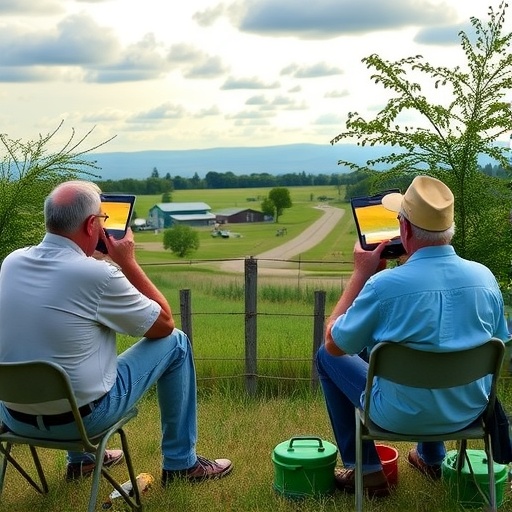
In an era where digital healthcare solutions are becoming increasingly vital, a recent study titled “Rural Veteran Perceptions of a Virtual Health Resource Center in a Community-Based Setting” provides groundbreaking insights into the experiences of rural veterans interacting with virtual health platforms. Conducted by a team of researchers including Marcotte, Theis, and Geyer, the study sheds light on the efficacy and acceptance of virtual health resources among a demographic often overlooked in healthcare discussions.
Virtual health resource centers have gained traction as convenient alternatives to traditional healthcare settings, particularly for individuals residing in rural areas. The study highlights how these resources can bridge the gap in access to healthcare for rural veterans, who may face geographical, logistical, or personal barriers to receiving timely medical assistance. Despite the benefits these virtual platforms provide, understanding the perceptions of their users is crucial for enhancing their effectiveness and usability.
A significant aspect of the study revolves around the unique challenges faced by rural veterans. Many of them cope with obstacles such as longer travel times to healthcare facilities, difficulties arising from physical mobility issues, or the overarching concern of time constraints due to family and work commitments. The digitalization of health services presents an opportunity to alleviate some of these issues, but do rural veterans find these platforms user-friendly?
The researchers engaged with a diverse group of rural veterans to gather qualitative data on their experiences with virtual health services. Initial findings reveal a mixed response; while many veterans appreciate the convenience and efficiency offered by virtual consultations, some express concern regarding the impersonal nature of virtual interactions. The contrast between a traditional healthcare visit and a virtual appointment showcases the need for human connection, which is often less tangible in digital exchanges.
Moreover, the study notes varying levels of digital literacy among rural veterans. Those with prior experience in using technology expressed a greater comfort level with virtual health services, while others struggled with the technical aspects of accessing healthcare through digital means. This highlighted a critical need for training and support aimed at increasing digital literacy within this vulnerable population.
Another fascinating revelation from the study is the role of trust in healthcare relationships. Rural veterans often have longstanding relationships with their healthcare providers, which can affect their willingness to utilize virtual platforms. The researchers found that veterans who felt a strong connection with their providers prior to transitioning to virtual services were more likely to accept and utilize these resources. This trust was built over years of in-person visits and personal interactions, illuminating the importance of continuity of care even in a digital age.
Furthermore, the study addressed the critical issue of mental health, which is a significant concern among many veterans. The anonymity and convenience provided by virtual platforms could reduce the stigma associated with seeking help for mental health issues. Many veterans reported that they would be more inclined to reach out for mental health support if it were available through a virtual resource center rather than in a traditional clinical setting.
However, the findings are not without implications for improvement. While veterans appreciated the potential of virtual health services, they also emphasized the importance of maintaining access to traditional healthcare options. This hybrid model—balancing the old with the new—could offer the most comprehensive care solution. Rural healthcare providers may need to rethink their strategies to incorporate both virtual and face-to-face interactions seamlessly.
The study also delves into the potential for virtual health resources to enhance preventive care among veterans. Many participants noted that virtual consultations can facilitate regular check-ups and health monitoring, which are crucial for early detection of medical concerns. The capability to hold appointments from home encourages a proactive approach to health management, ensuring that veterans stay engaged with their health and wellness.
Importantly, the research underscores the role of community in fostering a supportive environment for rural veterans. Local engagement initiatives can play a pivotal role in promoting awareness of available virtual health resources. By collaboratively working with local veteran organizations and community leaders, healthcare providers can facilitate smoother transitions from traditional to virtual care, ensuring that veterans feel supported throughout the process.
The findings contribute greatly to the ongoing conversation about the future of healthcare in rural settings. With the demand for accessible healthcare continuously rising, it is incumbent upon healthcare providers to be adaptable and responsive to the needs of their patients. The study reiterates that understanding patient perceptions can lead to better tailored services that not only meet the medical needs of veterans but also their emotional and psychological well-being.
The exploration of rural veterans’ experiences with virtual health resource centers reveals an intersection of technology, trust, and community, all of which are essential for the success of healthcare initiatives. The research advocates for continued investment in digital health solutions tailored to the unique needs of rural populations, ensuring that no veteran is left behind in their quest for optimal health.
As we look toward the future, the insights gained from this study may serve as a blueprint for healthcare innovation. By addressing the multifaceted barriers faced by rural veterans and enhancing their access to virtual health resources, we can pave the way for a more inclusive and effective healthcare landscape.
Ultimately, this research not only emphasizes the importance of virtual health resources but also calls for a paradigm shift in how we perceive and deliver healthcare services, especially to marginalized communities. The findings serve as a compelling reminder that as we advance technologically, the human aspect of healthcare must remain central to our efforts to improve health outcomes for all.
Marcotte, L.M., Theis, M., Geyer, J. et al. Rural Veteran Perceptions of a Virtual Health Resource Center in a Community-Based Setting.
J GEN INTERN MED (2025). https://doi.org/10.1007/s11606-025-09980-y
Cite Scienmag News
Ophelia Keating. (November 13, 2025). Rural Veterans View Virtual Health Resource Center Positively. Scienmag. https://scienmag.com/rural-veterans-view-virtual-health-resource-center-positively/
Ophelia Keating. "Rural Veterans View Virtual Health Resource Center Positively." Scienmag, 13 November 2025, https://scienmag.com/rural-veterans-view-virtual-health-resource-center-positively/. Accessed 4 September 2026.
Ophelia Keating. "Rural Veterans View Virtual Health Resource Center Positively." Scienmag. November 13, 2025. https://scienmag.com/rural-veterans-view-virtual-health-resource-center-positively/


