


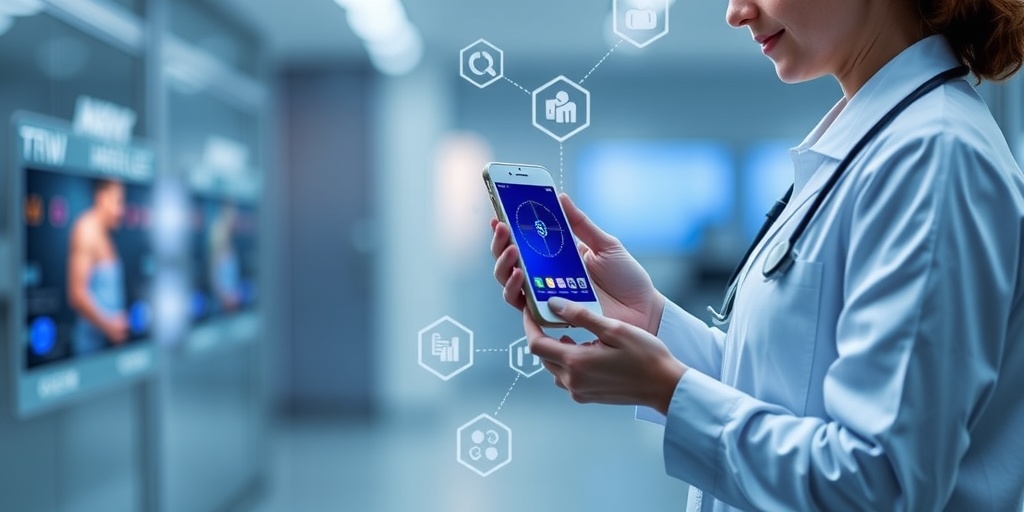
AI-powered medical devices that are connected to the internet are on the brink of transforming healthcare as we know it. A recent in-depth study reveals that these innovative tools enable early diagnosis of diseases, continuous monitoring of patients, and tailored treatment options, which could significantly enhance patient care and operational efficiency across healthcare systems. These advancements signify a monumental shift in how healthcare professionals approach disease management and preventative care.
Currently, wearable technology is at the forefront of this healthcare transformation. Devices such as fitness trackers and smartwatches do more than monitor heart rates; they can detect early cardiac issues and signal emergencies when necessary, thereby averting complications that could arise from undetected issues. These wearables exemplify the potential of the Internet of Medical Things (IoMT) by effectively connecting various medical devices to facilitate real-time data monitoring and analysis.
Professor Amir Gandomi, a leading researcher in data science at the University of Technology Sydney, emphasizes the significance of IoMT in modern medicine. According to him, AI serves as the backbone of IoMT, which can range from consumer-facing applications like smart health watches to sophisticated monitors used in hospitals. For instance, an AI-powered heart monitor possesses the capability to recognize irregular heart patterns and immediately alert caregivers, thereby streamlining response times during critical situations.
The comprehensive study offers a strategic framework for integrating IoMT into the healthcare ecosystem, showcasing its vast potential for improving operational efficiency and reducing healthcare costs. However, the research also sheds light on the ongoing hurdles, such as ensuring the security of medical data and fostering compatibility between different devices and systems, which must be navigated for successful implementation.
From the patient’s perspective, the implications are profound. Enhanced health management translates to fewer hospital visits, translating into better quality of life for patients and their families, particularly those with chronic conditions or elderly individuals requiring consistent monitoring. As healthcare evolves into smarter and more responsive systems, these innovations offer peace of mind, demonstrating IoMT’s transformative power.
Professor Gandomi’s accolades in AI and data analytics highlight his commitment to improving healthcare through technology. His recent accolades include the 2024 IEEE TCSC Award for Excellence in Scalable Computing. His focus underlines a commitment to addressing critical challenges like pandemic response and the diagnosis of life-altering diseases, including diabetes, cancer, and heart disease, using advanced AI techniques.
This comprehensive research study, titled "Transformative impacts of the internet of medical things on modern healthcare," was co-led by Associate Professor Shams Forruque Ahmed from Sunway University, Malaysia, in collaboration with Gandomi and an international research team. Their collective insights underscore the potential for IoMT to not only improve patient outcomes but also relieve pressure on healthcare systems amidst rising demands.
The study provides a holistic view of IoMT’s impact on healthcare systems, emphasizing its advantages, challenges, and tangible real-world applications. Among the remarkable findings are significant advancements in diagnostic accuracy, including AI systems achieving an impressive 99.84% accuracy in diagnosing heart disease through medical imaging techniques, alongside capabilities in real-time seizure detection.
However, the integration of AI-driven IoMT technologies also presents numerous challenges. Chief among these are the pressing demands for robust data security protocols, ease of device compatibility, and the establishment of appropriate regulations to ensure patient confidence and safety. Each concern must be addressed thoughtfully to pave the way for the successful assimilation of these groundbreaking technologies into pre-existing frameworks.
For healthcare providers, the choice to invest in IoMT implies a commitment to enhancing their digital infrastructure and training their personnel adequately to adopt innovations such as remote monitoring. These steps are essential for promoting proactive health management and increasing the delivery of high-quality care. Moreover, the establishment of clear standards and regulations is imperative for maintaining security and safeguarding patient privacy, two factors critical to public trust in these new systems.
This comprehensive study holds immense relevance for not just the medical community but also for policymakers, patients, and innovators in the MedTech space. It illustrates the multifaceted approach required for the effective utilization of IoMT technologies to advance healthcare quality and accessibility. By integrating technological advancements into healthcare practices, the operational landscape is set to undergo significant change, leading to improved accuracy and efficiency in patient care delivery.
As healthcare systems worldwide grapple with ever-increasing patient loads and rising costs, embracing IoMT technologies powered by AI appears to be an essential strategy for sustained improvement. The momentum garnered from this study invites further discussion and research into how we can harness these technologies to shape the future of global healthcare positively.
Through collaborative efforts, continued research, and a focus on addressing the multifaceted challenges posed by technology integration, healthcare stakeholders have the opportunity to revolutionize service delivery for patients around the world. The next frontier of healthcare innovation lies ahead, fueled by the transformative capabilities of AI and the Internet of Medical Things.
Cite Scienmag News
Nathaniel Bowman. (April 2, 2025). Revolutionizing Healthcare: The Impact of AI-Enhanced Smart Devices. Scienmag. https://scienmag.com/revolutionizing-healthcare-the-impact-of-ai-enhanced-smart-devices/
Nathaniel Bowman. "Revolutionizing Healthcare: The Impact of AI-Enhanced Smart Devices." Scienmag, 2 April 2025, https://scienmag.com/revolutionizing-healthcare-the-impact-of-ai-enhanced-smart-devices/. Accessed 3 September 2026.
Nathaniel Bowman. "Revolutionizing Healthcare: The Impact of AI-Enhanced Smart Devices." Scienmag. April 2, 2025. https://scienmag.com/revolutionizing-healthcare-the-impact-of-ai-enhanced-smart-devices/


