


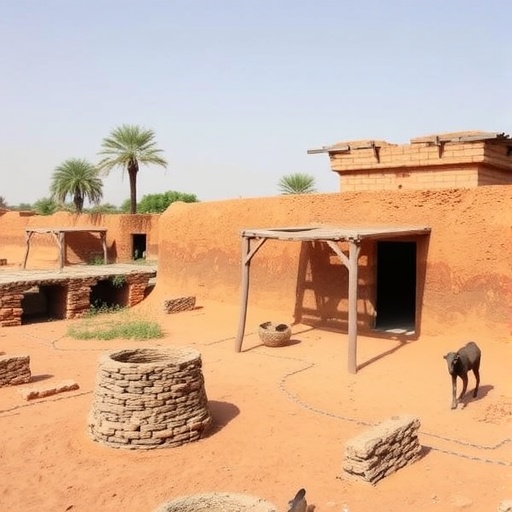
In the aftermath of protracted conflicts, nations often grapple with the daunting task of rebuilding not only their physical infrastructure but also their cultural heritage. In this context, the Sudanese experiment in merging archaeology with development stands out as an innovative approach to post-conflict reconstruction. The article authored by M. Bashir and C. Näser highlights how archaeological practices can play a crucial role in fostering national identity, community engagement, and sustainable development. This initiative encapsulates a broader trend where cultural heritage is increasingly recognized as a vital component in the recovery efforts of war-torn regions.
Sudan, a country rich in archaeological heritage, has witnessed the ravages of conflict, which have significantly impacted its cultural resources. The devastation has often left ancient sites neglected and vulnerable, raising pressing concerns about preserving this invaluable part of humanity’s history. The authors argue that the post-conflict rebuilding of Sudan’s archaeology and heritage sector is not just about restoration; it’s about rethinking how archaeology can contribute meaningfully to society in times of recovery. This discourse situates the significance of archaeological practices within a development framework, where heritage becomes a tool for social cohesion and economic revitalization.
One of the key themes discussed in the article revolves around the notion of cultural resilience. In environments where communities have been fractured by conflict, archaeological initiatives can foster a sense of belonging and identity. This multifaceted approach emphasizes that cultural heritage is not merely a relic of the past but an active component of contemporary society. By engaging communities in the preservation and understanding of their archaeological resources, these initiatives empower individuals and collective groups, allowing them to reclaim their narrative amid the turbulence of post-conflict life.
Moreover, the authors delve into the potential of archaeology to stimulate economic opportunities. Tourism, often cited as a vehicle for economic growth, can pivot on a nation’s rich archaeological sites. By investing in the heritage sector, Sudan can attract visitors who are eager to explore its ancient civilizations. The article emphasizes the intertwining of heritage conservation with tourism development, illuminating pathways for job creation and local entrepreneurship. This economic perspective further reinforces the argument that archaeological practices extend far beyond academic circles, influencing the lives of people in concrete and measurable ways.
The integration of modern technology into archaeological practices is another significant aspect highlighted by the authors. Innovations such as Geographic Information Systems (GIS), remote sensing, and digital documentation techniques are transforming how archaeologists interact with the past. These technologies not only enhance the efficiency of archaeological surveys and site management but also democratize access to heritage by making information available to a broader audience. In a post-conflict context, inducing technological advancements can serve as a conduit for both education and economic development as communities learn to navigate and utilize these tools for their benefit.
Additionally, the collaboration between local communities and international organizations forms the backbone of successful heritage management in Sudan. The article emphasizes the importance of participatory approaches, where locals are not mere spectators but active participants in the stewardship of their cultural landscapes. Training programs that fortify local capacities in heritage conservation can encourage communities to take pride in their archaeological resources, fostering a shared sense of responsibility towards their preservation. This collaborative spirit also lays the groundwork for sustainable initiatives that can endure well beyond the initial reconstruction stages.
In recognizing the multidimensional impacts of archaeology on society, the article brings attention to the educational aspects as well. Integrating archaeology into local curricula can equip younger generations with knowledge of their heritage and its significance, instilling a sense of pride and continuity. Schools that incorporate aspects of local history, including archaeological findings, can nurture a more informed and engaged citizenry. This educational investment promises to fortify cultural identity, ensuring that lessons from the past resonate with future generations and contribute to a cohesive national narrative.
Concurrently, the management of archaeological sites must evolve in response to the unique challenges posed by post-conflict environments. Strategies that prioritize conservation while addressing pressing socio-economic issues are paramount. The authors advocate for flexible frameworks that can adapt to the dynamic realities of post-conflict settings, wherein local needs and voices are prioritized in decision-making. Such an approach is vital, as it acknowledges the fluidity of heritage and the importance of aligning archaeological endeavors with the aspirations of the communities they aim to serve.
The role of governmental institutions cannot be understated in this context. A robust policy framework that underpins archaeological practices is essential for fostering an environment conducive to heritage preservation and development. The authors discuss the necessity of legislation that not only protects archaeological sites but also promotes responsible tourism and sustainable practices. By establishing clear guidelines and incentives for stakeholders, the government can steer efforts towards effective heritage management that resonates with the aspirations of the nation and its people.
In articulating these themes, Bashir and Näser’s work underscores a compelling narrative that positions archaeology at the intersection of cultural heritage and socio-economic development. Their analysis paints a picture of a Sudan that, although marred by conflict, is ripe with opportunity for renewal through its archaeological treasures. By leveraging these resources, communities can embark on a journey of rediscovery, one that is interlaced with hopes for a peaceful and prosperous future.
Ultimately, the dialogue surrounding the post-conflict rebuilding of the archaeology and heritage sector in Sudan serves as a microcosm for similar efforts worldwide. The principles articulated in this work provide a philosophical and practical framework for other nations wrestling with the scars of conflict. Engaging in cultural heritage management with a commitment to social inclusivity, technological advancement, and economic development can yield transformative results, ensuring that the past is cherished and serves as a beacon for a brighter, unified future.
As we look ahead, the relevance of this perspective cannot be underestimated. The integration of archaeology into development frameworks will likely shape the narratives of recovery for many post-conflict societies. By viewing archaeological practices not merely as academic pursuits but as essential elements of community rebuilding, nations like Sudan can pave the way for a more harmonious and culturally rich existence.
Sans the past’s ability to inform and enrich our futures, the very fabric of society risks unravelling. The lessons gleaned from M. Bashir and C. Näser’s article resonate deeply, reminding us that in times of conflict and aftermath, our cultural heritage remains not just an echo of what was, but a vital thread in the ongoing tapestry of human experience.
Bashir, M., Näser, C. Archaeology and Development: Post-Conflict Rebuilding of the Archaeology and Heritage Sector in Sudan. Afr Archaeol Rev (2025). https://doi.org/10.1007/s10437-025-09614-y
Cite Scienmag News
Courtney Benton. (January 26, 2026). Reviving Sudan’s Archaeology Post-Conflict: A New Era. Scienmag. https://scienmag.com/reviving-sudans-archaeology-post-conflict-a-new-era/
Courtney Benton. "Reviving Sudan’s Archaeology Post-Conflict: A New Era." Scienmag, 26 January 2026, https://scienmag.com/reviving-sudans-archaeology-post-conflict-a-new-era/. Accessed 4 September 2026.
Courtney Benton. "Reviving Sudan’s Archaeology Post-Conflict: A New Era." Scienmag. January 26, 2026. https://scienmag.com/reviving-sudans-archaeology-post-conflict-a-new-era/


