


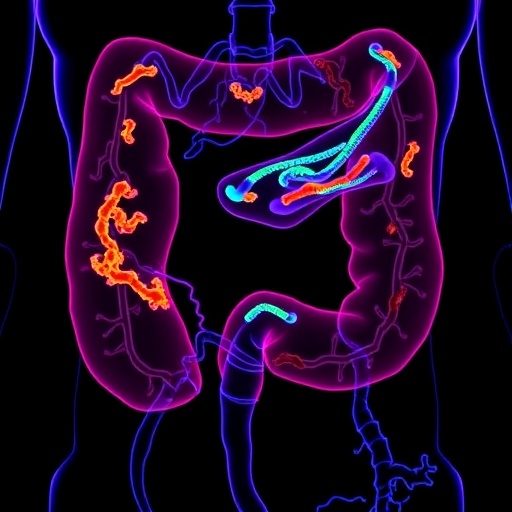
In a groundbreaking development in the field of oncological research, a recent study that explored the anti-tumor and anti-metastatic effects of Raf265 on colon cancer cells and CD26+ cancer stem cells has been subjected to retraction. This research, which initially sparked excitement within the scientific community, sought to investigate the intricate mechanisms underpinning Raf265’s potential therapeutic benefits against colorectal carcinoma. Such retraction raises significant concerns regarding the reliability and reproducibility of findings in cancer research, particularly in the wake of escalating cancer rates globally.
The original study, published in a reputable journal, detailed a comprehensive preclinical analysis conducted by a team of researchers. Their aim was to elucidate how Raf265, a targeted kinase inhibitor, might disrupt tumor growth and the aggressive spread of cancer cells. The foundational premise of the research was built on the premise that not only traditional cancer cells but also cancer stem cells, which are pivotal in the context of tumor initiation and metastasis, express the CD26 marker. This dual focus on both cell types presented an innovative approach to understanding colorectal cancer’s biological complexities.
Initial findings highlighted Raf265’s ability to inhibit proliferation in colon cancer cell lines significantly. The drug appeared to modulate various signaling pathways contributing to the malignancy of colorectal cancer. Moreover, the impact on CD26+ cancer stem cells was particularly noteworthy, as these cells are known for their resistance to conventional therapies and their role in relapse and metastasis. The results indicated that Raf265 could potentially serve as a dual-action agent, targeting both the bulk of the tumor and the elusive cancer stem cell subset.
However, subsequent scrutiny and peer review revealed discrepancies in methodology and data interpretations that prompted the retraction. In today’s scientific climate, where reproducibility serves as the cornerstone of credible research, such issues can severely undermine trust in published results. Retractions are increasingly common as a means of maintaining integrity within research communities, but they can also serve to obfuscate the progress made in difficult fields like cancer treatment.
The implications of this retraction extend beyond mere academic discourse. Patients and healthcare providers look to research to inform treatment decisions—a retraction can contribute to confusion and concern. In the wider context of drug development and approval, anecdotal excitement can be stifled by such revelations, impacting funding and interest in similar compounds. It raises an alarm on the rigorousness of preclinical studies and the importance of thorough validation before results are disseminated.
Moreover, the retraction underscores the challenges in targeting cancer stem cells, which remain a focal point in cancer research due to their unique properties. Therapeutics aimed at these cells could potentially transform treatment paradigms. Yet, as indicated by the Raf265 controversy, research in this domain must adhere to strict methodological standards to pave the way for innovative solutions.
The role of CD26 in colorectal cancer adds another layer of complexity to the discourse surrounding the retraction. This surface protein is involved in various physiological processes, including inflammation and immune response. Its expression in cancer stem cells has made it a target of interest for researchers aiming to eliminate tumor-initiating cells and effectively reduce recurrence rates. Understanding the heterogeneity of cancer cells and their microenvironment is vital, but findings must be presented with rigorous scientific backing.
As the scientific community digests the ramifications of this situation, a broader discussion about accountability in publishing emerges. Open dialogue about failures in research integrity can foster a more transparent environment where future studies are less prone to the pitfalls that led to this retraction. Encouraging collaborative approaches, where preliminary data is shared early in the research process, may yield better vetting of findings prior to publication.
While Wan and his colleagues faced significant setbacks with the retraction of their study, the insights gained about Raf265 should not simply be discarded. Knowledge about Raf265’s interactions and mechanisms can still provide fertile ground for future explorations. Continuous research could eventually yield a more robust understanding of its pharmacological effects and help in designing more effective treatment strategies.
In this era, the pursuit of innovative cancer therapies must be matched with diligent scientific verification. The ups and downs of preclinical studies serve as a critical reminder that the road to successful drug development is often fraught with challenges. This narrative of setbacks carries profound implications for the morale of emerging scientists who endeavor to navigate the complex landscape of oncological research.
As a closing thought, the recollection of this retraction serves not only as a cautionary tale but also as a call to action. The scientific community must strive for excellence in research, ensuring that every data point is meticulously verified and ethically reported. While Raf265 may not make its mark as anticipated, the quest for effective strategies against colorectal cancer continues, driven by the resilience of researchers who believe in the potential of their work despite the hurdles they face.
As the field progresses, it is crucial that researchers maintain a high level of integrity, transparency, and rigor in their studies to ensure that the promise of innovative therapies can be brought to fruition for patients in need. Only through steadfast commitment to scientific excellence can the oncology community hope to navigate the complexities of cancer and move toward a future where effective treatments are available to all.
Chow, A.K., Cheng, N.S., Lam, C.S. et al. Retraction Note: Preclinical analysis of the anti-tumor and anti-metastatic effects of Raf265 on colon cancer cells and CD26+ cancer stem cells in colorectal carcinoma.
Mol Cancer 24, 302 (2025). https://doi.org/10.1186/s12943-025-02535-z
Cite Scienmag News
Nathaniel Bowman. (January 23, 2026). Retraction: Raf265’s Effects on Colon Cancer Study. Scienmag. https://scienmag.com/retraction-raf265s-effects-on-colon-cancer-study/
Nathaniel Bowman. "Retraction: Raf265’s Effects on Colon Cancer Study." Scienmag, 23 January 2026, https://scienmag.com/retraction-raf265s-effects-on-colon-cancer-study/. Accessed 3 September 2026.
Nathaniel Bowman. "Retraction: Raf265’s Effects on Colon Cancer Study." Scienmag. January 23, 2026. https://scienmag.com/retraction-raf265s-effects-on-colon-cancer-study/


