


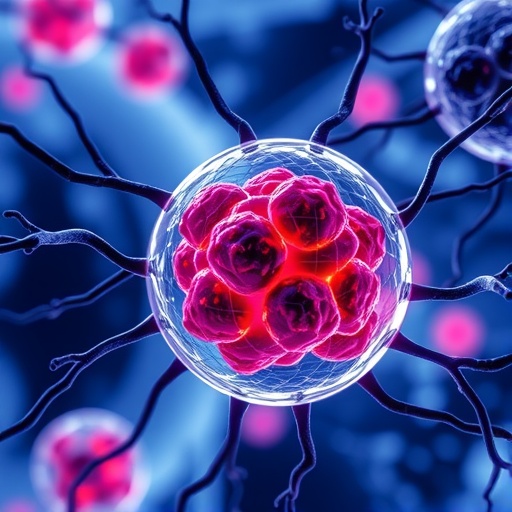
In recent years, scientific interest in the phenomenon of pyroptosis has surged, particularly in the context of its implications for tumor immunotherapy. Pyroptosis is a form of programmed cell death characterized by inflammatory responses, which can either play a detrimental or beneficial role in cancer progression. Understanding the molecular mechanisms underpinning pyroptosis not only elucidates its role in the immune system but also offers new avenues for cancer treatment. Recent research conducted by a cohort of researchers including Chen, Zhang, and Chong sheds light on the intricate details of pyroptosis, revealing both its biological significance and potential therapeutic applications.
Pyroptosis is distinct from other forms of cell death, such as apoptosis and necrosis, primarily due to its inflammatory nature. This process is mediated by inflammatory caspases, particularly caspase-1 and caspase-11, which are activated in response to various pathogenic stimuli. Upon activation, these caspases cleave Gasdermin D, leading to the formation of membrane pores and the subsequent release of pro-inflammatory cytokines like IL-1β and IL-18. This release amplifies the inflammatory response, attracting immune cells to the site of infection or tissue damage. In the context of cancer, the dual role of pyroptosis adds complexity to its therapeutic potential.
On one hand, pyroptosis can be exploited to induce tumor immunity. The inflammatory signals generated by pyroptotic cancer cells can enhance the recruitment of immune cells to the tumor microenvironment, potentially boosting anti-tumor immunity. This is particularly relevant in the case of certain cancer treatments, where the objective is to enhance the body’s innate immune response against malignancies. Therefore, understanding how to harness the pyroptotic pathway may lead to more effective immunotherapeutic strategies against tumors.
Conversely, excessive pyroptosis can detrimental effects on tissue integrity and contribute to tumor progression. Inflammatory environments can support cancer cell survival and metastasis, creating a paradox for researchers and clinicians striving for effective cancer therapies. This highlights the need for a nuanced understanding of pyroptosis, identifying when it acts as a friend by promoting cell death in tumors versus when it plays the role of a foe by fostering an environment conducive to cancer growth.
In their recent article, Chen and colleagues provide significant insights into the molecular players involved in pyroptosis. They detail the mechanisms through which these molecular players interact, along with the signaling pathways that modulate pyroptosis in response to changes in the cellular environment. This exploration reveals novel targets that might be leveraged for therapeutic benefits, offering a deeper understanding of synaptic mechanisms that may dictate pyroptosis’s role in cancer.
Moreover, the research emphasizes the importance of the tumor microenvironment in regulating pyroptosis. The complex interactions between tumor cells, immune cells, and the extracellular matrix create a dynamic landscape that can either promote or inhibit pyroptosis. Factors such as hypoxia, metabolic alterations, and immune evasion play pivotal roles in determining whether pyroptosis may facilitate tumor regression or aid in tumor progression. Thus, the tumor microenvironment is not just a passive backdrop but an influential actor in the pyroptotic process.
Furthermore, emerging evidence suggests that therapeutic strategies aimed at modulating pyroptosis are gaining traction. Whether through the introduction of pharmacological agents that activate this pathway or the utilization of oncolytic viruses engineered to elicit pyroptotic cell death, researchers are keenly focused on developing innovative approaches to exploit pyroptosis for tumor control. These strategies represent a bold frontier in immunotherapy, where the focus shifts from traditional methods to those that harness the body’s innate inflammatory responses.
As the researchers propose new frameworks for studying pyroptosis, they encourage a deeper investigation into the genetic and epigenetic modifications that influence pyroptotic pathways. Advances in genomics and bioinformatics offer unprecedented opportunities to decode the regulatory networks involved in pyroptosis, potentially unveiling new biomarkers for patient stratification and therapeutic response. This information is crucial for personalizing cancer treatment, ensuring that therapies are effective for specific patient populations.
In conclusion, the study conducted by Chen and colleagues marks a pivotal step forward in understanding the molecular foundations of pyroptosis. The implications of this research extend far beyond mere academic curiosity, as it holds the promise of unveiling novel therapeutic strategies that could enhance the treatment landscape for cancer patients. By piecing together the complex interactions and pathways associated with pyroptosis, researchers can pave the way for innovative treatments aimed at harnessing the inflammatory potential of this form of cell death to combat cancer.
The ongoing investigation into pyroptosis represents not only a scientific challenge but also an opportunity for transformative advancements in cancer therapy. As researchers continue to dissect this intricate cell death mechanism, there is hope that the dual edges of pyroptosis can be balanced to usher in a new era of precision oncology tailored to stimulate effective anti-tumor immunity while mitigating harmful inflammatory responses.
With this groundbreaking work, Chen and colleagues have provided a vital contribution to the evolving understanding of how innate immune responses can be leveraged in the fight against cancer, and their research is likely to inspire further studies and clinical trials. The future for pyroptotic therapeutics is poised not just to change the way we treat cancer but also to redefine our understanding of cell death and immune regulation.
Chen, G., Zhang, Z., Chong, W. et al. The molecular mechanisms of pyroptosis and its implications in tumor immunotherapy.
Mol Cancer (2026). https://doi.org/10.1186/s12943-026-02569-x
Cite Scienmag News
Nathaniel Bowman. (January 28, 2026). Pyroptosis: Key Mechanisms and Tumor Immunotherapy Impact. Scienmag. https://scienmag.com/pyroptosis-key-mechanisms-and-tumor-immunotherapy-impact/
Nathaniel Bowman. "Pyroptosis: Key Mechanisms and Tumor Immunotherapy Impact." Scienmag, 28 January 2026, https://scienmag.com/pyroptosis-key-mechanisms-and-tumor-immunotherapy-impact/. Accessed 4 September 2026.
Nathaniel Bowman. "Pyroptosis: Key Mechanisms and Tumor Immunotherapy Impact." Scienmag. January 28, 2026. https://scienmag.com/pyroptosis-key-mechanisms-and-tumor-immunotherapy-impact/


