


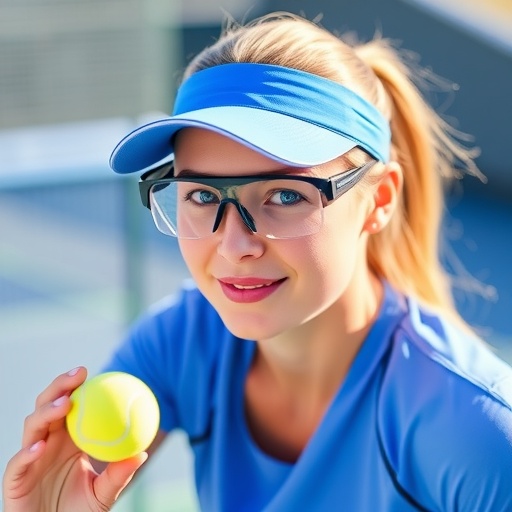
As pickleball’s popularity surges across the United States and beyond, medical professionals are increasingly sounding alarms over a less-discussed yet critical health concern: eye injuries among players. A recent survey examining the use of protective eyewear in this rapidly growing sport reveals alarming trends that could have long-term implications for athlete safety and vision health. The study highlights the glaring gap between current protective eyewear use and what experts recommend, underscoring an urgent need for enhanced safety protocols and education.
Pickleball, a paddle sport combining elements of tennis, badminton, and ping-pong, has witnessed exponential growth among diverse age groups. However, its fast-paced nature and close-range volleys make eye protection paramount. Despite this, the survey finds that the adoption of certified protective eyewear remains strikingly low, particularly among professional players. Though amateur participants show somewhat higher usage rates, fewer than half consistently wear protective goggles designed to shield against impact and ball-related trauma.
Intriguingly, a significant portion of players relies on personal prescription glasses rather than sport-specific protective gear. While prescription glasses serve vision correction purposes, they lack structural features necessary to guard against high-velocity impacts or projectiles. Standard lenses can shatter on impact, exacerbating the risk of ocular injury rather than mitigating it. This substitution highlights a critical knowledge gap surrounding appropriate eye protection in pickleball.
The physical mechanisms behind eye injuries in pickleball are varied. Direct hits from the paddle or ball can cause blunt force trauma, corneal abrasions, hyphema (bleeding in the eye), or even retinal detachment in severe cases. These injuries not only lead to immediate pain and vision impairment but may also pave the way for chronic complications such as glaucoma or cataracts. The study emphasizes that protective eyewear engineered with polycarbonate lenses and robust frames is the frontline defense in preventing such outcomes.
Data from the survey reveals an unsettling disconnect: as pickleball participation climbs, reported incidents of eye injuries have also increased. Emergency department visits related to pickleball-associated ocular trauma underscore the need for proactive measures. Current eyewear usage rates, particularly among seasoned professionals, fall markedly short of optimal standards, representing a missed opportunity in injury prevention.
Experts in sports medicine and ophthalmology alike advocate for mandatory protective eyewear policies during competitive pickleball play. The adoption of high-quality, standardized goggles designed to withstand impact forces could dramatically decrease the prevalence and severity of eye injuries. Furthermore, integrating education on the risks of inadequate protection into athletic training and recreational programming is critical to fostering safer playing environments.
The study calls attention to the necessity of developing clear regulations mandating protective eyewear in pickleball leagues and tournaments. Unlike baseball or racquet sports such as squash, where eye protection is more commonly enforced, pickleball remains largely unregulated in this domain. Institutionalizing protective standards could normalize safety practices and reduce injury incidence across all player skill levels.
Beyond policy changes, technological advancements in eyewear design offer opportunities to enhance user compliance without compromising comfort or visibility. Innovations include lightweight, anti-fog materials and ergonomic features tailored for agility and breathability. These improvements could encourage broader adoption among players who might otherwise resist wearing cumbersome or aesthetically unappealing safety gear.
Moreover, ophthalmologists warn that the long-term consequences of repeated eye trauma must not be underestimated. Cumulative damage from minor injuries can degrade ocular tissues over time, multiplying the risk of vision loss and necessitating invasive treatments. Prevention through proper eye protection remains the most effective strategy to preserve athletes’ visual health throughout their pickleball careers.
In sum, this study sheds vital light on a prevalent yet under-recognized issue in recreational and professional sports safety. The disproportionate rate of eye injuries and the insufficient use of protective eyewear among pickleball players call for urgent action from governing bodies, healthcare providers, and the sporting community. As participation in pickleball continues to soar, prioritizing comprehensive eye safety measures is imperative to safeguard the well-being of millions of enthusiasts nationwide.
The findings underscore a critical public health message: vision, an often-overlooked athletic asset, demands vigilant protection in all sports contexts. Increased awareness, education campaigns, and policy reforms tailored to pickleball’s unique risks can transform player behavior and dramatically reduce preventable ocular injuries. This research provides an evidence-based foundation for future interventions aimed at harmonizing sport enjoyment with player safety.
As we stand at the intersection of sports innovation and medical insight, this study’s revelations challenge both athletes and institutions to elevate eye safety standards. Embracing cutting-edge protective technologies and enforcing rigorous guidelines will not only protect vision but also promote a culture of responsibility and care within the vibrant pickleball community. The ultimate goal remains clear: to keep the eyes of players safe, healthy, and ready for the thrilling rallies that make pickleball a beloved pastime.
News Publication Date: [Not Provided]
Web References: [Not Provided]
References: (doi:10.1001/jamaophthalmol.2026.0027)
Cite Scienmag News
Ophelia Keating. (February 26, 2026). Protective Eyewear Usage Among Pickleball Players: New Insights. Scienmag. https://scienmag.com/protective-eyewear-usage-among-pickleball-players-new-insights/
Ophelia Keating. "Protective Eyewear Usage Among Pickleball Players: New Insights." Scienmag, 26 February 2026, https://scienmag.com/protective-eyewear-usage-among-pickleball-players-new-insights/. Accessed 4 September 2026.
Ophelia Keating. "Protective Eyewear Usage Among Pickleball Players: New Insights." Scienmag. February 26, 2026. https://scienmag.com/protective-eyewear-usage-among-pickleball-players-new-insights/


