

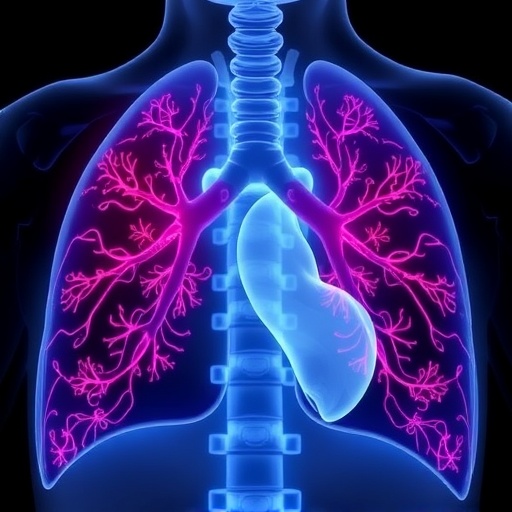
Acute respiratory distress syndrome (ARDS) in children suffering from pneumonia remains a critical concern in pediatric medicine. Recent studies have identified specific biomarkers that may predict the onset of ARDS, potentially allowing for timely interventions that could save lives. In a groundbreaking publication by Bader et al., researchers have emphasized the significance of two proteins: HSP-70 and tumor necrosis factor-alpha (TNF-α). These proteins not only play vital roles in cell stress responses but also showcase potential as clinical indicators in pediatric pneumonia cases.
Acute respiratory distress syndrome manifests as an overwhelming inflammatory response in the lungs, leading to severe hypoxemia and respiratory failure. Children, particularly those with underlying conditions, are more vulnerable to this complication. Bader and colleagues conducted a thorough investigation into the correlation between the presence of HSP-70 and TNF-α levels and the development of ARDS in a pediatric population affected by pneumonia. Their findings suggest that these biomarkers may serve as predictive tools, offering healthcare professionals a means to identify at-risk children earlier in their treatment journey.
The role of heat shock proteins, such as HSP-70, extends beyond mere cellular protection. They function as chaperones, ensuring that other proteins fold correctly and reducing cellular damage during stress conditions. TNF-α, a cytokine involved in systemic inflammation, also demonstrates a robust link to pneumonia severity and its complications. In cases of respiratory distress, both of these markers were found to have predictive values that could inform clinicians about the likelihood of ARDS onset, allowing for proactive management strategies.
In conducting this study, the researchers utilized a combination of observational and experimental methodologies. They enrolled a diverse group of pediatric patients diagnosed with pneumonia and monitored their clinical parameters while simultaneously measuring levels of HSP-70 and TNF-α. Such rigorous data collection ensured that the relationships they uncovered were statistically significant and clinically relevant. Their robust methodology adds credibility to their findings, setting a new standard for similar future investigations.
Further analysis revealed that elevated levels of HSP-70 and TNF-α were often present in children who progressed to ARDS. The study’s cohort illustrated a clear trend: as the severity of pneumonia increased, so too did the concentrations of these biomarkers. This correlation indicates that measuring HSP-70 and TNF-α could potentially furnish healthcare providers with invaluable information about the prognosis of children battling pneumonia.
The implications of Bader et al.’s research extend beyond mere academic interest; they open pathways for practical applications in clinical settings. If HSP-70 and TNF-α are validated as reliable predictive markers for ARDS, clinicians could implement screening strategies that identify high-risk patients sooner. This early identification could facilitate preventive measures or more aggressive treatment approaches, ultimately aiming to mitigate the incidence of ARDS and improve clinical outcomes.
Moreover, this research emphasizes the necessity for ongoing education for healthcare providers regarding the importance of recognizing biomarkers associated with severe respiratory illnesses. As the landscape of pediatric care evolves, being equipped with the latest diagnostic tools and knowledge is paramount. The findings of this study could significantly influence clinical guidelines, making it imperative for medical practitioners to stay informed of emerging research that shapes best practices.
Furthermore, the broader implications of understanding the predictive nature of HSP-70 and TNF-α stretch into public health realms. As pneumonia remains a leading cause of morbidity and mortality among children globally, this research underscores the importance of integrating biomarker assessment into standard care protocols. Such measures could drastically improve early intervention strategies, decrease hospital stays, and ultimately lower healthcare costs associated with managing ARDS in children.
As researchers continue to unravel the complexities around pneumonia and ARDS, Bader et al.’s work serves as a catalyst for future studies. Additional investigations are needed to explore whether these biomarkers can predict other complications following pneumonia and how they may interact with various treatment modalities. The quest for knowledge is endless, and this recent publication paves the way for further exploration into the mechanisms of pediatric respiratory diseases.
One must also consider the ethical dimensions surrounding the implementation of predictive biomarkers in clinical practice. As with any advancement in medicine, it is crucial to weigh the benefits against potential risks. The introduction of routine screening for HSP-70 and TNF-α must be approached with careful consideration of cost-effectiveness, accessibility, and equitable healthcare distribution. Future studies should aim to address these ethical concerns head-on in the context of pediatric care.
In summary, the research led by Bader and colleagues shines a light on the promising role of HSP-70 and TNF-α as predictive biomarkers for ARDS in children with pneumonia. This groundbreaking work marks a pivotal step toward refining diagnostic strategies and improving patient outcomes. As the scientific community continues to explore these associations, the ultimate goal remains clear: safeguarding the health and well-being of children faced with respiratory illnesses.
The dialogue surrounding ARDS in pediatrics is not just limited to clinical findings. It encompasses a myriad of factors, including socioeconomic status, healthcare access, and global health disparities. Addressing these overarching issues in tandem with scientific discoveries will ensure a more holistic approach to combatting pneumonia and its complications worldwide.
The awareness generated by studies like Bader et al.’s could spur public health campaigns aimed at educating parents and guardians about recognizing early symptoms of pneumonia in their children. Simultaneously, healthcare systems must adapt to accommodate the findings of such research, integrating biomarkers into routine assessments for the most vulnerable populations.
In conclusion, while the medical field has made significant strides in understanding pneumonia and ARDS, Bader et al.’s research serves as an important reminder that there is still much to learn. The potential of HSP-70 and TNF-α to predict ARDS offers a beacon of hope for improving pediatric outcomes in an area marked by significant challenges. As new studies emerge, it is essential for the medical community to remain proactive in applying these insights to improve care for children around the globe.
Subject of Research: Predictive biomarkers for acute respiratory distress syndrome in children with pneumonia.
Article Title: HSP-70 and TNF-α as predictors of acute respiratory distress syndrome in children with pneumonia.
Article References:
Bader, H.W., Moustafa, R.S., Shahba, M.A. et al. HSP-70 and TNF-α as predictors of acute respiratory distress syndrome in children with pneumonia. BMC Pediatr (2025). https://doi.org/10.1186/s12887-025-06297-x
Image Credits: AI Generated
DOI: 10.1186/s12887-025-06297-x
Keywords: HSP-70, TNF-α, acute respiratory distress syndrome, pneumonia, children, predictive biomarkers, pediatric medicine.


