


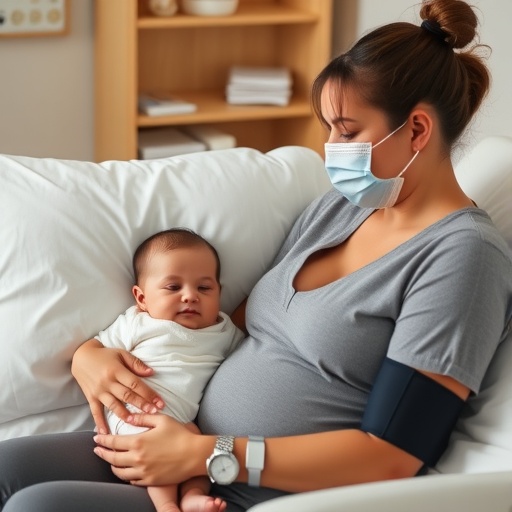
Hypertensive disorders of pregnancy, or HDP, may not end when a baby is born. A new study published in JAMA Network Open reports that combining health coaching with self-measured blood pressure monitoring significantly improved health care engagement and blood pressure control among patients during the first year after childbirth. The findings suggest that a structured, technology-supported approach could help address one of the most persistent and underrecognized consequences of pregnancy-related hypertension: the transition from a temporary obstetric complication to long-term cardiovascular disease.
HDP includes conditions such as chronic hypertension, gestational hypertension, and preeclampsia. Although some cases resolve after delivery, patients who experience HDP face a higher probability of developing persistent hypertension and future cardiovascular disease. The postpartum period is therefore a critical window for identifying individuals whose blood pressure remains elevated and for helping them establish ongoing medical care. In practice, however, postpartum follow-up can be difficult, particularly when new parents are managing recovery, infant care, work demands, transportation barriers, and changes in insurance or health care access.
The intervention evaluated in the study paired personal health coaching with home blood pressure monitoring. Self-measured blood pressure monitoring allows patients to collect readings outside the clinic, where measurements may better reflect their usual physiological state. Repeated readings can also reveal patterns that a single office visit might miss, including persistent hypertension, morning surges, or blood pressure that improves and worsens unpredictably. For patients with a history of HDP, these data can provide clinicians with an earlier signal that additional evaluation or treatment is needed.
Health coaching added a behavioral and care-navigation component to the monitoring process. Rather than relying solely on routine appointments, patients received support designed to encourage engagement with the health care system and reinforce actions related to blood pressure management. Coaching can help patients interpret the importance of readings, communicate with clinicians, understand treatment plans, and overcome practical obstacles to follow-up. This is particularly relevant after pregnancy, when the responsibility for care often shifts from obstetric teams to primary care or cardiovascular specialists.
By 12 months postpartum, the combined strategy was associated with significantly greater health care engagement and improved blood pressure control compared with usual care, according to the study’s findings. The announcement does not provide the numerical size of the difference, the number of participants, or the precise definition of blood pressure control. Even so, the direction of the results is clinically important because postpartum hypertension is frequently missed after the limited period of obstetric follow-up. A program that keeps patients connected to care could help identify elevated blood pressure before it contributes to kidney, heart, or vascular damage.
The physiological importance of this approach extends beyond the postpartum year. Hypertension is a major modifiable risk factor for stroke, heart failure, chronic kidney disease, and coronary artery disease. HDP may expose underlying susceptibility to these conditions, while pregnancy itself places substantial demands on the cardiovascular system. Persistently elevated blood pressure after delivery can therefore represent more than an isolated measurement; it may be an early marker of a patient’s longer-term cardiovascular risk profile.
Remote monitoring may also improve the quality and timeliness of clinical decision-making. Blood pressure varies with stress, activity, sleep, pain, and medication timing, making isolated measurements difficult to interpret. A series of home readings can give clinicians a more detailed picture and may support medication adjustments without requiring patients to attend frequent in-person visits. When combined with coaching, monitoring can transform blood pressure management from an occasional clinical event into a continuous process involving patients, families, and care teams.
The study’s implications are especially relevant as health systems search for ways to reduce gaps in postpartum care. Programs based on home monitoring and coaching could potentially be integrated into obstetric discharge planning, electronic health records, telehealth services, and primary care referrals. However, successful implementation would depend on reliable equipment, clear thresholds for urgent evaluation, rapid communication with clinicians, and equitable access to digital tools. Patients without stable internet access, paid leave, transportation, or consistent insurance coverage may require additional support to benefit from these interventions.
The researchers’ conclusion is that health coaching combined with self-measured blood pressure monitoring represents an effective strategy for reducing long-term uncontrolled hypertension among patients with HDP. The results reinforce a growing view of postpartum care as an extended period of cardiovascular prevention rather than a brief check after delivery. By helping patients measure blood pressure at home and remain connected with clinicians, the intervention could convert a vulnerable transition period into an opportunity for earlier diagnosis, sustained treatment, and improved lifelong health.
Web References: https://doi.org/10.1001/jamanetworkopen.2026.26970; JAMA Network Open
Cite Scienmag News
Ophelia Keating. (August 7, 2026). Postpartum Care Improves Through Navigation, Self-Measured Blood Pressure, and Health Coaching. Scienmag. https://scienmag.com/postpartum-care-improves-through-navigation-self-measured-blood-pressure-and-health-coaching/
Ophelia Keating. "Postpartum Care Improves Through Navigation, Self-Measured Blood Pressure, and Health Coaching." Scienmag, 7 August 2026, https://scienmag.com/postpartum-care-improves-through-navigation-self-measured-blood-pressure-and-health-coaching/. Accessed 3 September 2026.
Ophelia Keating. "Postpartum Care Improves Through Navigation, Self-Measured Blood Pressure, and Health Coaching." Scienmag. August 7, 2026. https://scienmag.com/postpartum-care-improves-through-navigation-self-measured-blood-pressure-and-health-coaching/


