


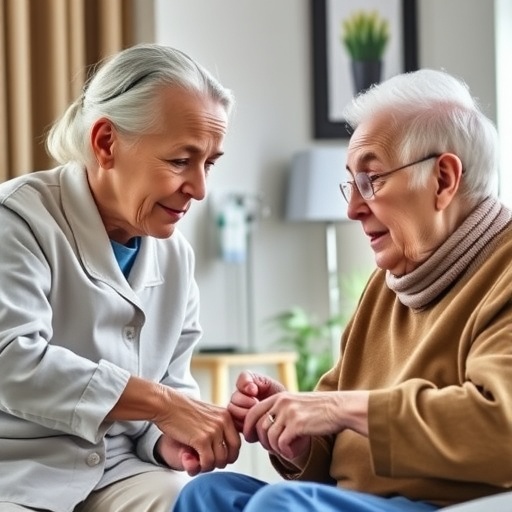
In a groundbreaking study on the intersection of institutional care and home health services, researchers have explored the vital transition phase that older individuals endure after acute hospitalizations in Norway. This pivotal research, conducted by scholars Skyrud, Rostoft, and Syse, illuminates the crucial dynamics that govern the decision-making processes regarding care options for senior patients. As aging populations become increasingly prevalent globally, understanding these transitions has significant implications for health care policy and elderly care management.
The study carefully examines the variables that influence whether elderly patients return to their homes or require continued institutional care post-hospitalization. With Norway experiencing a demographic shift towards an older population, ensuring the optimal care transitions for seniors has never been more critical. This research highlights how organizational structures, health policies, and individual patient circumstances intertwine to shape the experiences of older adults during this fragile period.
One of the primary outcomes of the study reveals that a preference for home care is prevalent among older adults, provided they have adequate support systems in place. The researchers found that many seniors expressed a strong desire to return to their familiar environments post-hospitalization, emphasizing the psychological and emotional benefits of residing in a home setting. However, this preference hinges on the availability of robust home health services capable of addressing their medical needs, safety concerns, and emotional support requirements.
In assessing the role of health care professionals in post-acute transitions, the study underscores the importance of multidisciplinary approaches to care. Collaboration among nurses, social workers, occupational therapists, and administrative staff is essential to tailor care plans that fully consider the unique circumstances and preferences of each older patient. The integration of these professional perspectives helps to create comprehensive solutions that facilitate smoother transitions, ultimately enhancing patient satisfaction.
The research further identifies notable barriers that patients face when seeking home health care services. Among these, geographical disparities, resource limitations, and the variability of service quality across different regions emerge as significant challenges. The authors of the study stress the need for targeted interventions to ensure equitable access to home health care, regardless of location. This equity is paramount, particularly in rural areas, where older adults may find themselves isolated from available services.
Additionally, the role of technology in enhancing home health care is explored in the study. Telehealth services, remote monitoring, and digital communication tools have the potential to bridge gaps in care provision, allowing elderly patients to maintain their independence while receiving essential health services. The researchers advocate for increased investment in these technological solutions, which can be especially beneficial for older individuals living in remote areas.
The impact of institutionalization on older adults is another focal area of the investigation. Institutional care, while necessary for some, can often exacerbate feelings of loneliness and disengagement, leading to a deterioration in mental health. The study demonstrates that retaining a level of autonomy and choice in care options can significantly mitigate these negative psychological outcomes. When older individuals feel empowered to participate in decisions about their care, the likelihood of better health outcomes increases dramatically.
In a context where the health care system struggles with capacity issues, the findings suggest that enhancing home care services can help alleviate some of the pressures faced by hospitals and long-term care facilities. By focusing on at-home health support, patients can experience more personalized, flexible care arrangements that cater specifically to their needs, potentially reducing the frequency of readmissions and fostering healthier lifestyles.
The study concludes with urgent recommendations for policymakers and health care administrators. Emphasizing the need for reforms in funding mechanisms, service delivery models, and training for health care professionals, the findings advocate for a paradigm shift in how society approaches elderly care. As the journey from hospital to home proves to be critical for both recovery and overall well-being, it is imperative that systemic changes are made to support this vulnerable population adequately.
These insights carry profound implications not only for individuals but also for health care systems at large. The transition from hospital settings to home care, if managed effectively, can result in significant cost savings, improved health outcomes, and enhanced quality of life for older adults. Such a transformation requires a committed, concerted effort from all stakeholders within the health care ecosystem to pave the way for a more supportive, efficient, and elder-friendly care model.
Overall, this research serves as a clarion call to re-examine existing practices surrounding elder care in the aftermath of acute hospitalizations. With thoughtful analysis and actionable strategies, we can harness the knowledge gleaned from this study to create a future where all older adults can navigate their care transitions with dignity, support, and the assurance of receiving the best possible health services.
The surge in elderly populations necessitates an investment in understanding their unique needs and experiences, particularly following hospital stays. We owe it to ourselves and future generations to redesign our health systems responsive to the aging demographic, ensuring that every older person has the opportunity to thrive in their own homes whenever possible.
As this compelling study adds to the growing body of literature on elder care, it encourages further dialogue, research, and policy development aimed at addressing the complex needs of an aging population. The findings serve as a guideline for future explorations into enhancing home care, understanding institutionalization impacts, and ultimately reshaping health care strategies to reflect the very best of what we can offer our senior citizens.
Skyrud, K., Rostoft, S. & Syse, A. Institutionalization and home health care after acute hospitalizations of older persons in Norway.
BMC Health Serv Res (2025). https://doi.org/10.1186/s12913-025-13851-x
Cite Scienmag News
Ophelia Keating. (December 17, 2025). Post-Hospital Care for Older Adults: Norway’s Approach. Scienmag. https://scienmag.com/post-hospital-care-for-older-adults-norways-approach/
Ophelia Keating. "Post-Hospital Care for Older Adults: Norway’s Approach." Scienmag, 17 December 2025, https://scienmag.com/post-hospital-care-for-older-adults-norways-approach/. Accessed 3 September 2026.
Ophelia Keating. "Post-Hospital Care for Older Adults: Norway’s Approach." Scienmag. December 17, 2025. https://scienmag.com/post-hospital-care-for-older-adults-norways-approach/


