


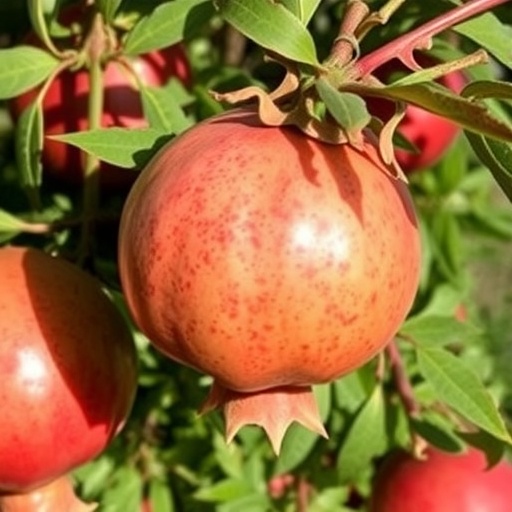
Pomegranates, scientifically known as Punica granatum, hold a cherished place in both agricultural and cultural contexts around the globe. Recent research has taken a profound step toward understanding the genetic diversity of both wild and cultivated pomegranate populations. In the groundbreaking study led by Sharma et al., published in Discover Plants, the authors delve into the genetic variability of these populations and their potential for resistance to a pervasive threat: bacterial blight. This disease, caused by the bacterium Xanthomonas axonopodis pv. punicae, has been wreaking havoc on pomegranate crops, leading to significant economic losses.
The study meticulously examines various wild pomegranate populations to assess their hybridization potential with cultivated varieties. This angle is particularly crucial since wild populations often possess genetic traits that allow them to thrive despite adversities, including pathogens. By tapping into this diversity, researchers aim to bolster the resilience of cultivated strains against diseases like bacterial blight. Their findings indicate significant genetic variation among the studied populations, which can be instrumental in breeding programs focused on disease resistance.
Importantly, the research team utilized advanced genetic analysis techniques, including molecular markers, to dissect the genetic material of various pomegranate samples. These markers enable scientists to identify specific genetic traits linked to disease resistance, ensuring that future breeding efforts are both efficient and effective. The study highlights how this genetic insight could revolutionize pomegranate cultivation, leading to improved varieties that withstand bacterial blight and other diseases.
Sharma and her colleagues underscored the importance of preserving wild pomegranate populations, not just for their unique genetic traits but also for their ecological value. These wild relatives contribute to the overall health and biodiversity of agricultural systems, offering a reservoir of genetic material that could be harnessed in the face of climate change and emerging agricultural threats. The research emphasizes that protecting these wild populations is vital for securing food systems against future uncertainties, reinforcing the need for integrative conservation strategies.
In examining the hybridization potential, the researchers conducted controlled crosses between selected wild and cultivated pomegranate varieties. These experiments provided critical insights into the compatibility of different genetic backgrounds, revealing promising combinations that exhibit heightened resistance to bacterial blight. Such findings can facilitate the development of new cultivars with superior agronomic traits, tailored to specific growing conditions and market demands.
Moreover, the implications of this research extend beyond pomegranate cultivation itself. The methods and findings can serve as a framework for other fruit crops confronted by similar challenges. As agricultural systems increasingly prioritize sustainability, understanding the genetic diversity available within wild relatives could be key to developing strategies that minimize reliance on chemical interventions. This aligns with global efforts to promote organic farming practices and reduce the environmental impact of agriculture.
The broader significance of this study cannot be overstated. As global populations rise and dietary preferences shift towards more plant-based foods, crops like pomegranate stand to gain importance due to their nutritional benefits and resilience in diverse climates. By uncovering and utilizing the genetic diversity within pomegranate populations, researchers are not only working to bolster food security but also enhancing the nutritional quality of this cherished fruit.
The findings of Sharma et al. serve as a crucial reminder of the interconnectedness of genetics, ecology, and agriculture. The potential of wild pomegranates to contribute to breeding programs reflects the importance of maintaining biodiversity. This study underlines the necessity of an interdisciplinary approach, drawing from genetics, plant science, ecology, and conservation to tackle the pressing challenges faced by modern agriculture.
In closing, the rigorous examination of genetic diversity and hybridization potential among pomegranate populations sets the stage for future research. The promising results offer hope for sustainable practices that can enhance crop resilience against diseases. The study’s insights provide the groundwork for developing new cultivars that not only meet the needs of farmers but also cater to the ever-evolving demands of consumers. As researchers continue to explore the genetic treasures hidden within wild relatives, the future of pomegranate cultivation looks poised for a transformative leap forward.
The work of Sharma and her team reminds us of the natural world’s wealth of resources, urging us to harness these for the betterment of agriculture and society as a whole. The ongoing journey towards developing bacterial blight-resistant pomegranates exemplifies the delicate balance between preservation and advancement in agricultural practices, embodying a vision for a sustainable future where genetic diversity plays a critical role.
As we look to a future defined by the urgent need for resilient food systems, studies like this one illuminate the path forward. The genetic insights gleaned from this research may well pave the way for innovative solutions to food security challenges, yielding a harvest of hope for generations to come.
Sharma, R., Sharma, S.D., Sharma, V.K. et al. Genetic diversity and hybridization potential of wild and commercial pomegranate populations for bacterial blight resistance.
Discov. Plants 2, 306 (2025). https://doi.org/10.1007/s44372-025-00388-w
Cite Scienmag News
Alan Morgan. (October 31, 2025). Pomegranate Diversity: A Path to Blight Resistance. Scienmag. https://scienmag.com/pomegranate-diversity-a-path-to-blight-resistance/
Alan Morgan. "Pomegranate Diversity: A Path to Blight Resistance." Scienmag, 31 October 2025, https://scienmag.com/pomegranate-diversity-a-path-to-blight-resistance/. Accessed 4 September 2026.
Alan Morgan. "Pomegranate Diversity: A Path to Blight Resistance." Scienmag. October 31, 2025. https://scienmag.com/pomegranate-diversity-a-path-to-blight-resistance/


