

Tuesday, October 27, 2026
Science
No Result
View All Result
  • Login
  • HOME
  • SCIENCE NEWS
  • CONTACT US
  • HOME
  • SCIENCE NEWS
  • CONTACT US
No Result
View All Result
Scienmag
No Result
View All Result
Home Science News Biology

Pollinator abundance shifts where sexual selection acts in a flowering plant

October 27, 2026
in Biology
Julie Wynn
By Julie Wynn Scienmag Editorial Profile - Pollination Biology
Reading Time: 2 mins read
0
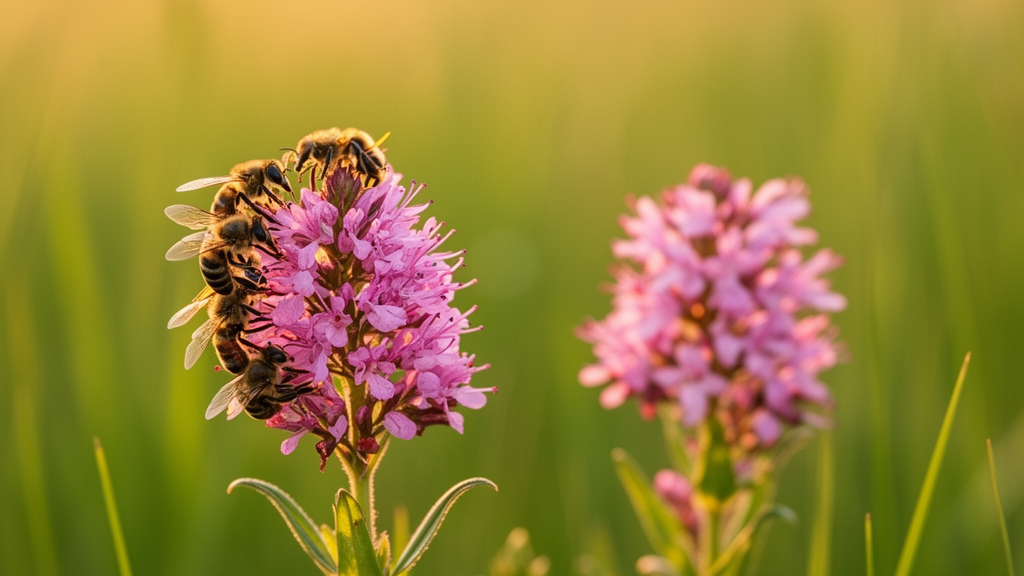
Pollinator abundance shifts where sexual selection acts in a flowering plant

Pollinator abundance shifts where sexual selection acts in a flowering plant

65
SHARES
587
VIEWS
Share on FacebookShare on Twitter
ADVERTISEMENT

Sexual selection in flowering plants unfolds across multiple sequential episodes, and the balance between them depends on how many pollinators are around, according to a new study of the hermaphroditic plant Brassica rapa published in PLOS Biology.

Although sexual selection is well established in animals, tests in plants remain limited. Theory based on anisogamy predicts that the two sex functions differ in the fitness benefits of gaining additional mates, a pattern repeatedly confirmed in animals. Plant studies, however, have relied solely on genetic parentage analyses to estimate mate numbers, which conflates success in accessing mates with success in fertilizing gametes.

To separate these stages, the researchers combined direct observations of buff-tailed bumblebee (Bombus terrestris) movements with genetic paternity analyses in experimental populations. This design provided independent estimates of the observational number of mates acquired and of realized fertilization success, allowing the team to disentangle consecutive episodes of sexual selection within the same populations.

The results identified pollen competition for ovules as the primary arena for sexual selection in B. rapa. Competition for access to mates constituted a secondary force, and it was stronger in the male than in the female sex function, matching the prediction of classic sexual selection theory.

The ecological context mattered as well. When the researchers experimentally reduced pollinator abundance, the balance between pre- and post-pollination sexual selection shifted, increasing the opportunity for selection on mate acquisition. The authors also found that ignoring pollinator movements led to biased estimates of pre-pollination sexual selection, underscoring the value of pairing behavioral observations with paternity data.

Overall, the study demonstrates that sexual selection in plants is not a single process but a sequence of episodes, shaped by the behavior and abundance of pollinators, with competition among gametes emerging as the dominant stage in this species.

Subject of Research: How pollinator abundance shapes the episodes of sexual selection in the hermaphroditic plant Brassica rapa

Article Title: Pollinator abundance shapes sexual selection in an angiosperm

Article References: Barbot, E., Dufaÿ, M., Janicke, T., Lapeyre, B., Orcel, D., Rousset, F., & Tonnabel, J. (2026). Pollinator abundance shapes sexual selection in an angiosperm. PLOS Biology, 24(10), e3003579. https://doi.org/10.1371/journal.pbio.3003579

Image Credits: AI Generated

DOI: 10.1371/journal.pbio.3003579

Keywords: sexual selection, pollinators, Brassica rapa, Bombus terrestris, paternity analysis, anisogamy, pollen competition, mate acquisition, plant reproduction, PLOS Biology, Pollinator, abundance

Cite Scienmag News

Julie Wynn. (October 27, 2026). Pollinator abundance shifts where sexual selection acts in a flowering plant. Scienmag. https://scienmag.com/pollinator-abundance-shifts-where-sexual-selection-acts-in-a-flowering-plant/


Julie Wynn. "Pollinator abundance shifts where sexual selection acts in a flowering plant." Scienmag, 27 October 2026, https://scienmag.com/pollinator-abundance-shifts-where-sexual-selection-acts-in-a-flowering-plant/. Accessed 27 October 2026.

Julie Wynn. "Pollinator abundance shifts where sexual selection acts in a flowering plant." Scienmag. October 27, 2026. https://scienmag.com/pollinator-abundance-shifts-where-sexual-selection-acts-in-a-flowering-plant/

Tags: Abundanceanisogamyanisogamy and sexual selection in plantsbee pollinator behavior in flowering plantsBombus terrestrisBrassica rapaeffects of pollinator diversity on plant reproductive strategiesexperimental studies of pollination dynamicsgenetic paternity analysis in plant reproductive successinfluence of pollinator activity on plant reproductive fitnessmate acquisitionpaternity analysisplant reproductionPLOS Biologypollen competitionpollen competition and fertilization successPollinatorPollinator abundance effects on plant sexual selectionpollinatorsrole of pollinator movements in plant mating successsequential episodes of sexual selection in hermaphroditic plantssexual selectionsexual selection theory applied to flowering plants
Share26Tweet16
Previous Post

Eight Practical Tips for Navigating the Reactome Pathway Knowledgebase

Next Post

Cryo-EM reveals how unrelated phage peptides converge on the same bacterial target

Related Posts

Single Dose of Simparica Trio Clears Heartworm Microfilariae in Dogs for a Month
Biology

Single Dose of Simparica Trio Clears Heartworm Microfilariae in Dogs for a Month

October 27, 2026
Golgi protein GOLGA7 found to govern reticulocyte CD71 clearance and recovery from hemolytic stress in mice
Biology

Golgi protein GOLGA7 found to govern reticulocyte CD71 clearance and recovery from hemolytic stress in mice

October 27, 2026
Remembering Willi Sauter, One of Europe’s Most Universal Entomologists
Biology

Remembering Willi Sauter, One of Europe’s Most Universal Entomologists

October 27, 2026
African Nations Chart a Path to Sustain HPV Vaccination Beyond Donor Funding
Medicine

African Nations Chart a Path to Sustain HPV Vaccination Beyond Donor Funding

October 27, 2026
Loggerhead turtle scute patterns shaped by genes and nest temperature
Biology

Loggerhead turtle scute patterns shaped by genes and nest temperature

October 27, 2026
ZFX Drives T-cell Leukemia Growth Through m5C Methylation of PD1 mRNA
Biotechnology

ZFX Drives T-cell Leukemia Growth Through m5C Methylation of PD1 mRNA

October 27, 2026
Next Post
Cryo-EM reveals how unrelated phage peptides converge on the same bacterial target

Cryo-EM reveals how unrelated phage peptides converge on the same bacterial target

  • Mothers who receive childcare support from maternal grandparents show more optimized

    Mothers who receive childcare support from maternal grandparents show more parental warmth, finds NTU Singapore study

    27656 shares
    Share 11059 Tweet 6912
  • University of Seville Breaks 120-Year-Old Mystery, Revises a Key Einstein Concept

    1061 shares
    Share 424 Tweet 265
  • Bee body mass, pathogens and local climate influence heat tolerance

    682 shares
    Share 273 Tweet 171
  • Researchers record first-ever images and data of a shark experiencing a boat strike

    546 shares
    Share 218 Tweet 137
  • Groundbreaking Clinical Trial Reveals Lubiprostone Enhances Kidney Function

    531 shares
    Share 212 Tweet 133
Science

Embark on a thrilling journey of discovery with Scienmag.com—your ultimate source for cutting-edge breakthroughs. Immerse yourself in a world where curiosity knows no limits and tomorrow’s possibilities become today’s reality!

RECENT NEWS

  • Rebuilding Aghdam: how a destroyed city is testing sustainable urban recovery
  • Scientists can predict low birthweights in West Africa up to a year ahead using climate data
  • Explainable AI models track EV battery health over 6G networks
  • Nurses Emerge as Key Players in Taming Targeted Cancer Therapy Side Effects

Categories

  • Agriculture
  • Anthropology
  • Archaeology
  • Athmospheric
  • Biology
  • Biotechnology
  • Blog
  • Bussines
  • Cancer
  • Chemistry
  • Climate
  • Earth Science
  • Editorial Policy
  • Marine
  • Mathematics
  • Medicine
  • Pediatry
  • Policy
  • Psychology & Psychiatry
  • Science Education
  • Science News
  • Social Science
  • Space
  • Technology and Engineering

Subscribe to Blog via Email

Enter your email address to subscribe to this blog and receive notifications of new posts by email.

Join 5,151 other subscribers

© 2025 Scienmag - Science Magazine

Welcome Back!

Login to your account below

Forgotten Password?

Retrieve your password

Please enter your username or email address to reset your password.

Log In
No Result
View All Result
  • HOME
  • SCIENCE NEWS
  • CONTACT US

© 2025 Scienmag - Science Magazine

Discover more from Science

Subscribe now to keep reading and get access to the full archive.

Continue reading