


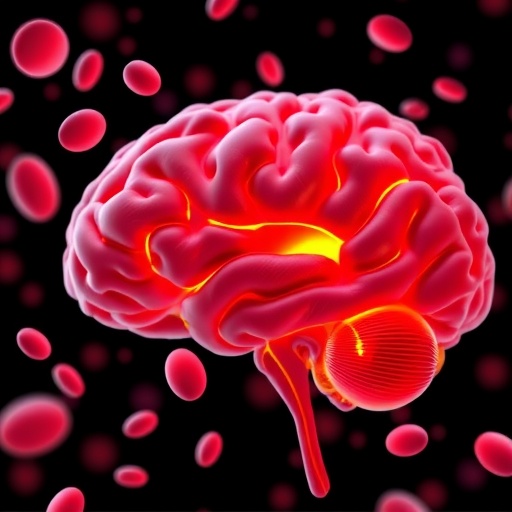
In a groundbreaking study published in Experimental & Molecular Medicine, researchers led by Dienel et al. have unveiled the critical role of platelets in driving microvascular occlusion and subsequent delayed neurological deficits following subarachnoid hemorrhage (SAH) in murine models. This discovery provides unprecedented insight into the intricate pathological cascade triggered after SAH, a severe form of stroke characterized by bleeding into the subarachnoid space surrounding the brain. The findings illuminate potential therapeutic avenues targeting platelet activity to mitigate brain injury and improve neurological outcomes, presenting a significant leap forward in cerebrovascular research.
Subarachnoid hemorrhage represents a catastrophic vascular event responsible for substantial morbidity and mortality globally. Despite advances in neurosurgical techniques and critical care, patients often suffer from delayed cerebral ischemia (DCI), a mysterious and multifactorial complication that dramatically worsens prognosis. Until now, the precise mechanisms instigating DCI have remained elusive, impeding the development of effective interventions. Dienel and colleagues approached this challenge by probing the microvascular changes triggered immediately after SAH, focusing particularly on platelets, the blood components traditionally known for their hemostatic functions.
The research team employed sophisticated intravital imaging and laser speckle flowmetry alongside immunohistochemical and electron microscopy techniques to meticulously characterize cerebral microcirculation dynamics in live mice subjected to experimental SAH. Their observations revealed an unexpected surge in platelet aggregation within the cerebral microvasculature shortly after hemorrhage onset. This aggregation formed dense microthrombi, effectively occluding capillaries and small arterioles, impairing perfusion within vulnerable brain regions. The occlusion was not transient but persisted for several hours, setting the stage for secondary ischemic insults.
Delving deeper, the study identified that the platelets adhered predominantly to damaged endothelial surfaces exposed by the hemorrhagic insult. The endothelial injury likely upregulated adhesion molecules and pro-thrombotic factors, creating a permissive environment for pathological platelet activation. Notably, these platelet aggregates were accompanied by recruitment of leukocytes, suggesting the initiation of a complex inflammatory interplay exacerbating microvascular obstruction. This inflammatory milieu further compromised blood-brain barrier integrity, potentiating brain edema and neuronal death.
The temporal correlation between microvascular occlusion and neurological deficits was striking. Behavioral assays conducted at various time points post-SAH demonstrated that motor and cognitive impairments manifested concurrently with peak platelet aggregation. Importantly, pharmacological disruption of platelet activity using antiplatelet agents significantly reduced microthrombus formation and preserved microvascular flow. These interventions translated into marked improvements in neurological function, underscoring the causative role of platelet-mediated microvascular thrombosis in post-SAH brain injury.
Beyond illuminating pathophysiological mechanisms, the study propounds a paradigm shift in how delayed neurological deficits after SAH should be conceptualized. Previous frameworks emphasized vasospasm—prolonged arterial constriction—as the principal culprit of DCI. However, emerging evidence, reinforced by Dienel et al.’s work, suggests microvascular thrombosis through platelet aggregation may be a parallel if not more critical driver. This nuanced understanding mandates a reevaluation of therapeutic strategies, highlighting the potential of antiplatelet therapies and endothelial protective agents as adjuncts to existing vasospasm-focused treatments.
The implications for clinical translation are profound but warrant cautious optimism. While the murine model provides granular insights, human SAH comprises complex systemic and cerebral responses influenced by diverse etiologies and comorbidities. Nevertheless, the parallels in platelet biology and endothelial dynamics suggest that targeting platelet-mediated microvascular occlusion could mitigate the devastating sequelae suffered by SAH patients. Ongoing clinical trials examining antiplatelet regimens following aneurysmal rupture may find mechanistic rationale and renewed urgency through these findings.
The integration of multi-modal imaging techniques was pivotal in capturing the dynamic vascular changes underlying SAH pathophysiology. By visualizing real-time platelet behavior and blood flow alterations in the cerebral microvasculature, the researchers could trace the cascade from hemorrhage to microvascular obstruction and neurological impairment. Such advanced methodologies open pathways for precision diagnostics and temporal monitoring of therapeutic efficacy in future experimental and clinical endeavors.
Furthermore, the study accentuates the interplay between thrombosis and inflammation in cerebrovascular injury. The observed leukocyte recruitment to platelet aggregates suggests that inflammatory cells may amplify vascular occlusion and brain parenchymal damage. Targeting the interface between coagulation and immune responses could herald novel combinatorial therapies that attenuate both thrombotic and inflammatory pathways, offering comprehensive neuroprotection after SAH.
Considerable attention is given to the role of endothelial dysfunction in catalyzing platelet aggregation. Damage to the endothelial lining from extravasated blood and associated oxidative stress emerges as a critical initiator. Interventions aimed at preserving or restoring endothelial health post-SAH might therefore complement antithrombotic approaches, reducing the substrate for pathological platelet adhesion and mitigating microvascular compromise.
The delayed onset of neurological deficits.classically attributed to vasospasm is now understood to have a more complex etiology involving microthrombotic occlusion. The elucidation of this timeline offers opportunities for therapeutic windows previously unrecognized, where early antiplatelet intervention can halt secondary injury cascades before irreversible neuronal loss ensues. This temporal insight is vital for clinical protocol optimization and patient stratification.
In synthesizing these multifaceted findings, Dienel and colleagues advocate a holistic model of SAH pathophysiology wherein platelet-driven microvascular occlusion serves as a linchpin connecting hemorrhagic insult, endothelial damage, inflammation, and neurological decline. This integrated framework advances our grasp of cerebrovascular disease mechanisms and paves the way for innovative interventional strategies that transcend traditional paradigms centered solely on large vessel pathology.
As research progresses, it remains imperative to unravel the molecular cues facilitating platelet adhesion and activation within the fragile post-SAH cerebral environment. Identifying specific receptors, signaling pathways, and molecular mediators responsible may yield targeted therapeutic candidates with minimal systemic bleeding risk. Precision medicine approaches tailored to patient-specific vascular and coagulatory profiles could transform SAH treatment landscapes.
Ultimately, the study by Dienel et al. signifies a landmark advancement in understanding the insidious processes perpetuating brain injury following subarachnoid hemorrhage. By spotlighting the central role of platelets in microvascular occlusion and delayed neurological deficits, they unlock promising prospects for mitigating secondary brain injury and improving long-term outcomes for this devastating neurological emergency. The research community eagerly anticipates clinical translation and further elucidation of these mechanisms in human cohorts.
Cite Scienmag News
Cassandra Pierce. (April 15, 2026). Platelets Trigger Microvascular Blockage, Neurological Delays Post-SAH. Scienmag. https://scienmag.com/platelets-trigger-microvascular-blockage-neurological-delays-post-sah/
Cassandra Pierce. "Platelets Trigger Microvascular Blockage, Neurological Delays Post-SAH." Scienmag, 15 April 2026, https://scienmag.com/platelets-trigger-microvascular-blockage-neurological-delays-post-sah/. Accessed 3 September 2026.
Cassandra Pierce. "Platelets Trigger Microvascular Blockage, Neurological Delays Post-SAH." Scienmag. April 15, 2026. https://scienmag.com/platelets-trigger-microvascular-blockage-neurological-delays-post-sah/


