


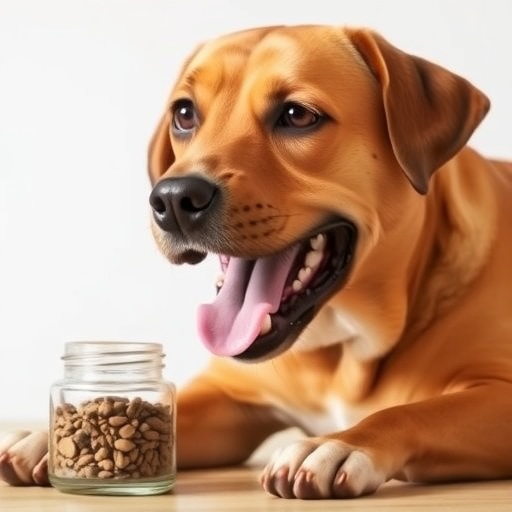
In an innovative stride toward improving pet healthcare, researchers have unveiled a novel approach to combating halitosis in dogs utilizing polyphenol extracts derived from molasses. This pioneering method, detailed in the Journal of Agricultural and Food Chemistry, offers a promising alternative to conventional treatments like antibiotics, tooth brushing, and chemical rinses, which have often been the go-to solutions for mitigating dog breath odor linked to oral diseases. The research delineates how a specialized spray, infused with molasses polyphenols, can significantly neutralize unpleasant breath and reduce harmful oral bacterial populations, marking a breakthrough in veterinary oral hygiene.
The study’s foundation rests on the bioactive potential of polyphenols, naturally occurring compounds abundant in sugarcane molasses. Previously, the research team led by Hongye Li had identified these polyphenols as effective inhibitors of pathogenic bacterial proliferation in controlled lab settings. Building on this premise, the current investigation focused on translating these findings into a practical clinical context involving live subjects. By recruiting ten canine volunteers exhibiting varying degrees of halitosis, the scientists embarked on rigorously testing the efficacy of molasses-derived polyphenol sprays in modulating not only the odor but also the saliva’s microbial and chemical composition.
Application of the polyphenol spray resulted in instantaneous and quantifiable reductions in malodorous compounds present within the dogs’ oral cavity. Utilizing advanced gas chromatography-mass spectrometry (GC-MS), the research team identified a marked decline in volatile esters, amines, and aldehydes, which are generally responsible for the unpleasant odors associated with bad breath. Notably, these findings validated that the amelioration of breath odor was not merely a product of simple odor masking by the spray’s mild plant-like fragrance, but rather an outcome rooted in the biochemical neutralization of odor-causing molecules.
Beyond the immediate effects observed an hour post-application, longitudinal evaluations over a 30-day period revealed persistent improvements in the oral ecosystem of the participating dogs. Continued use of the polyphenol spray was correlated with a significant diminution in pathogenic bacterial species, including Porphyromonas and Fusobacterium, known for their roles in periodontal disease and volatile sulfur compound production. This sustained antimicrobial influence suggests that polyphenols exert a modulatory effect on the oral microbiome, promoting a healthier balance of bacterial flora conducive to fresher breath.
Intriguingly, the mechanistic insights derived from supplementary laboratory experiments and sophisticated computer simulations provide a comprehensive understanding of polyphenol activity within the canine oral milieu. Lead author Hongye Li elucidates this multifaceted interaction by metaphorically describing the polyphenols as functioning akin to a molecular sponge, a biochemical switch, and an ecological gardener. As a ‘molecular sponge,’ the polyphenols bind directly to volatile odorants, reducing their presence in saliva. Serving as a ‘switch,’ these compounds inhibit enzymatic activity linked to malodor generation. Lastly, by acting as a ‘gardener,’ polyphenols gradually reshape the microbial community by curbing the proliferation of harmful bacteria.
The implications of this research extend far beyond mere deodorization; the polyphenol spray represents a sustainable, non-invasive intervention that aligns with increasing demands for safer, eco-conscious pet care solutions. Unlike traditional antibiotics, which carry risks of resistance and adverse effects, or mechanical interventions requiring owner compliance and expertise, this plant-based spray offers ease of use and enhanced safety profiles. These attributes position the polyphenol treatment as a future cornerstone in routine veterinary oral health maintenance.
Moreover, the environmental merit of employing a sustainable agricultural byproduct such as molasses cannot be overstated. Harnessing molasses polyphenols not only valorizes a waste material but also underscores the potential for agricultural residues to serve as valuable resources in biomedical applications. This approach exemplifies a circular economy model that integrates environmental stewardship with cutting-edge veterinary science.
This research also resonates with the broader societal context of the human-animal bond. By addressing a common concern that often diminishes the day-to-day enjoyment of pet companionship—namely bad breath—this advancement promises to enhance the quality of interactions between dogs and their families. Through improved oral health, pets can experience reduced discomfort from oral diseases, while owners benefit from a more pleasant and healthful relationship with their canine companions.
The study’s robust methodology incorporated both subjective and objective assessment tools. Trained human evaluators quantified odor perception through standardized olfactory scoring, whereas GC-MS provided detailed biochemical profiling of saliva constituents. The dual validation from sensory and analytical perspectives enriched the reliability and translational potential of the findings. Notably, the demonstration of the spray’s efficacy in reducing specific aroma compounds implicated in fatty and sulfurous odors marks a critical breakthrough in understanding the chemical landscape of halitosis.
Furthermore, this research highlights the intricate interplay between microbiology and chemistry within the oral environment. By targeting both the microbial populations responsible for odor production and the chemical mediators themselves, the polyphenol spray exemplifies a dual-action therapeutic strategy. This integrated approach suggests new vistas for exploring polyphenols and other phytochemicals as modulators of complex microbial ecosystems.
As research into natural alternatives for disease management continues to expand, the findings presented here signal a transformative era for veterinary oral health. By leveraging the inherent antimicrobial and odor-neutralizing properties of molasses polyphenols, this spray epitomizes a harmonization of plant science and clinical innovation. Continued research and development could eventually broaden applications to other species or extend to human dental care, underscoring the versatile potential of polyphenol-enriched therapeutics.
This study was financially supported by notable funding bodies including the National Key Research and Development Program of China, the National High-Level Talents Special Support Program, Jiangnan University, and the Fundamental Research Funds for the Central Universities. These endorsements underscore the significance and scientific rigor underpinning this research enterprise.
The American Chemical Society, which published these findings, remains committed to disseminating transformative chemistry-related research that impacts human and animal health globally. Although the ACS does not conduct research itself, it provides a vital platform for peer-reviewed dissemination and communication of advances such as this—facilitating collaboration, innovation, and public awareness.
In summary, the development of a molasses polyphenol-based spray encapsulates a novel, effective, and sustainable strategy against canine halitosis that may revolutionize veterinary oral hygiene. Through biochemical neutralization of odorants, inhibition of bacterial enzymatic activity, and long-term modulation of the oral microbiome, this approach offers a scientifically validated alternative to traditional methods, heralding enhanced health and wellbeing for beloved pets.
News Publication Date: 28-April-2026
Web References: http://dx.doi.org/10.1021/acs.jafc.6c00022
Keywords
Polyphenols, Dog halitosis, Oral microbiome, Molasses extracts, Veterinary oral health, GC-MS analysis, Aroma compound neutralization, Plant-derived antimicrobials, Sustainable pet care, Porphyromonas, Fusobacterium, Oral bacteria
Cite Scienmag News
William Thompson. (May 18, 2026). Plant Extracts Offer Solution to Neutralize Dog Breath Odors. Scienmag. https://scienmag.com/plant-extracts-offer-solution-to-neutralize-dog-breath-odors/
William Thompson. "Plant Extracts Offer Solution to Neutralize Dog Breath Odors." Scienmag, 18 May 2026, https://scienmag.com/plant-extracts-offer-solution-to-neutralize-dog-breath-odors/. Accessed 4 September 2026.
William Thompson. "Plant Extracts Offer Solution to Neutralize Dog Breath Odors." Scienmag. May 18, 2026. https://scienmag.com/plant-extracts-offer-solution-to-neutralize-dog-breath-odors/


