


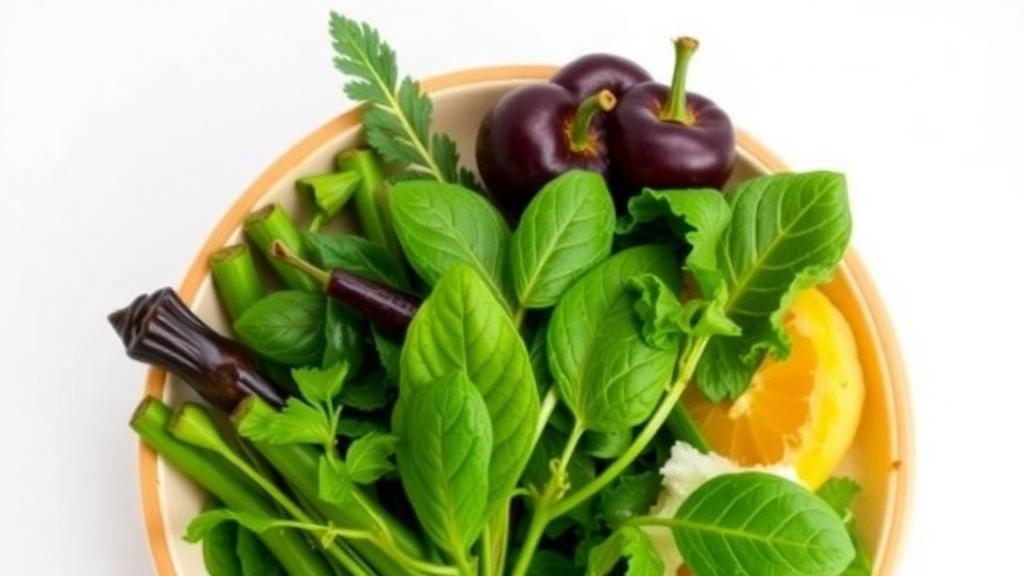
Breast cancer remains one of the most formidable health challenges facing women worldwide, ranking as the fifth-leading cause of cancer-related mortality among women globally. Yet an intriguing geographic pattern has long puzzled epidemiologists: Asia, taken as a whole, records a lower overall incidence of breast cancer than the global average. Researchers have suspected that something in the lived environment of Asian populations, and particularly in their diets, might help explain this protective gap. A new systematic review published in BMC Cancer now takes a careful, evidence-based look at that question, focusing specifically on South Asian women and the dietary habits that distinguish this region of more than 1.9 billion people. The findings, while nuanced, add weight to a growing body of evidence that what lands on the dinner plate can meaningfully shift cancer risk.
The review, led by Sachintha Dilhani Weerasinghe Navarathnage of the Nutrition Division of Sri Lanka’s Ministry of Health together with colleagues at the University of Sri Jayewardenepura and the University of Warwick, was conducted according to the PRISMA guidelines, the international standard for reporting systematic reviews. The team searched five major electronic databases, MEDLINE, EMBASE, CINAHL, Web of Science and Scopus, and supplemented the search with Google Scholar and a hand-check of reference lists from selected articles. Review questions were framed using the PECOS framework, which specifies the population, exposure, comparator, outcomes and study designs of interest. The population of interest was South Asian women over the age of 18 who had been diagnosed with breast cancer, and only studies published in English were included, with no date limits imposed. The review was prospectively registered with PROSPERO under registration number CRD42023464682, a step that helps guard against selective reporting.
Methodological rigor extended to the appraisal of study quality. Screening and quality assessment were carried out by two independent reviewers using the critical appraisal tools developed by the Joanna Briggs Institute, a widely respected framework for judging the reliability of health research. From the initial sweep of the literature, only 12 articles survived the screening process and made it into the final synthesis. That modest number is itself telling: despite the scale of the South Asian population and the public health importance of breast cancer, high-quality research directly connecting dietary patterns to breast cancer outcomes in this region remains surprisingly thin. The authors note that the heterogeneity of the included studies, in both their dietary assessments and their methodological approaches, prevented a meta-analytic synthesis, meaning no single pooled risk estimate could be calculated.
What the 12 studies did reveal was a pattern of associations that, despite the heterogeneity, points in a consistent direction for several food groups. Plant-based foods emerged as the clear winners. Fruits, vegetables, legumes, soy products and mushrooms were generally associated with a reduced risk of breast cancer among South Asian women. This aligns with broader nutritional science: plant foods are rich in dietary fiber, micronutrients, antioxidants and phytochemicals, compounds that have been implicated in mechanisms ranging from improved estrogen metabolism to reduced chronic inflammation and oxidative stress, all of which are biologically plausible pathways linking diet to cancer development.
On the other side of the ledger, the review found that red meat and high-fat foods were linked to an increased risk of breast cancer. This finding echoes conclusions from international bodies such as the World Cancer Research Fund, which has long flagged red and processed meats as probable contributors to cancer risk. High-fat dietary patterns may influence cancer risk through several routes, including increased caloric density and adiposity, altered hormone levels, and the formation of potentially carcinogenic compounds during high-temperature cooking. For South Asian populations, where dietary patterns are undergoing rapid nutritional transition toward more processed and animal-based foods in urbanizing areas, these findings carry a timely warning.
Not every food group produced a clean verdict. Dairy products and overall protein intake showed mixed results across the included studies, with some suggesting harm, others suggesting protection and still others finding no association at all. Fish consumption, notably, showed no significant association with breast cancer risk in the reviewed literature. These ambiguous results underscore a central challenge in nutritional epidemiology: food groups are not consumed in isolation, and the health effect of any single item depends on preparation methods, portion sizes, the overall dietary pattern it sits within, and the characteristics of the population being studied. A curry cooked with turmeric and vegetables is not nutritionally equivalent to a deep-fried snack, even if both share ingredients on a checklist.
The authors attribute the variation in findings across studies to differences in dietary habits, cultural practices and methodological approaches. South Asia is extraordinarily diverse, encompassing the dietary traditions of India, Pakistan, Bangladesh, Sri Lanka, Nepal, Bhutan and the Maldives, with wide variation in staple foods, religious dietary restrictions, cooking oils, spice use and meal structures. A food frequency questionnaire validated in one country may poorly capture intake in another. Different studies also used different comparison groups, different definitions of breast cancer risk and different statistical adjustments for confounders such as age, body weight, reproductive history and socioeconomic status. These differences make direct comparison difficult and help explain why the review stopped short of pooling results statistically.
Despite these limitations, the review’s conclusion is cautiously confident. The evidence supports a protective role for plant-based diets and highlights dietary habits as modifiable risk factors for breast cancer, meaning risks that individuals and health systems can actually act upon. The authors recommend that public health strategies promote the consumption of minimally processed, fiber-rich plant-based foods while reducing the intake of red and processed meats and high-fat products. In practical terms, this could mean reinforcing traditional South Asian dietary elements that are already plant-forward, such as lentil-based dishes, vegetable curries and legume staples, while resisting the drift toward energy-dense, highly processed foods that often accompanies economic development and urbanization.
The implications extend beyond South Asia. Diaspora communities in the United Kingdom, the United States, Canada and the Gulf states maintain and adapt South Asian dietary patterns, and breast cancer incidence in these populations often rises with migration, a phenomenon frequently attributed in part to dietary change. Understanding which components of the traditional diet are protective could inform culturally tailored prevention advice for millions of women worldwide. At the same time, the authors are explicit that further region-specific, standardized research is needed to refine dietary interventions for breast cancer prevention. Standardized dietary assessment tools, harmonized outcome measures and, ideally, prospective cohort designs would allow future reviews to move beyond narrative synthesis to quantitative meta-analysis.
For now, the message from this systematic review is one that nutrition scientists have been converging on for decades, now with fresh evidence from a population whose dietary heritage may hold real protective value. Fill the plate with fruits, vegetables, legumes, soy and mushrooms; treat red meat and high-fat foods as occasional rather than daily fare; and remain skeptical of sweeping claims about dairy, protein or fish until the evidence matures. Breast cancer is a multifactorial disease shaped by genetics, reproduction, lifestyle and chance, and no diet guarantees protection. But as modifiable risk factors go, the food on the plate is one of the few levers that individuals, families and public health agencies can pull every single day, and this review suggests that in South Asia, pulling it toward the plant-based end of the spectrum may pay real dividends.
Subject of Research: The association between dietary habits and breast cancer risk in South Asian women
Article Title: Dietary habits and breast cancer in South Asian females: a systematic review
Article References: Navarathnage, S. D. W., Jayakody, S., Denagamagei, S. S., Nawaratne, S., & Seneviwickrama, M. (2026). Dietary habits and breast cancer in South Asian females: a systematic review. BMC Cancer. https://doi.org/10.1186/s12885-026-16923-1
Image Credits: AI Generated
DOI: 10.1186/s12885-026-16923-1
Keywords: breast cancer, systematic review, South Asia, dietary habits, plant-based diet, nutrition, cancer prevention, red meat, public health, risk factors, women's health, PRISMA
Cite Scienmag News
Nathaniel Bowman. (October 1, 2026). Plant-Based Diets Linked to Lower Breast Cancer Risk in South Asian Women, Review Finds. Scienmag. https://scienmag.com/plant-based-diets-linked-to-lower-breast-cancer-risk-in-south-asian-women-review-finds/
Nathaniel Bowman. "Plant-Based Diets Linked to Lower Breast Cancer Risk in South Asian Women, Review Finds." Scienmag, 1 October 2026, https://scienmag.com/plant-based-diets-linked-to-lower-breast-cancer-risk-in-south-asian-women-review-finds/. Accessed 4 October 2026.
Nathaniel Bowman. "Plant-Based Diets Linked to Lower Breast Cancer Risk in South Asian Women, Review Finds." Scienmag. October 1, 2026. https://scienmag.com/plant-based-diets-linked-to-lower-breast-cancer-risk-in-south-asian-women-review-finds/


