


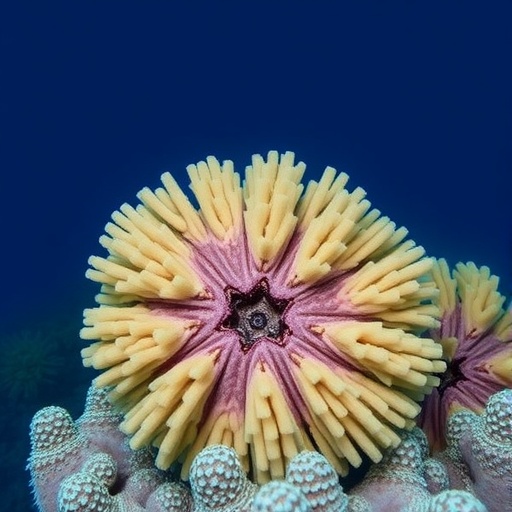
Coral reefs, often referred to as the “rainforests of the sea,” play a crucial role in marine biodiversity and ecosystem health. However, they face unprecedented threats from climate change, ocean acidification, and human-induced activities. Recent research has shed light on the significance of pioneer generation strategies in the recovery of coral populations, demonstrating the intricate connections between early stages of coral life and the long-term resilience of these vital ecosystems. This line of inquiry is especially relevant given the alarming decline in coral reefs worldwide, highlighting an urgent need for innovative restoration strategies that leverage the adaptive capacities of coral species.
The study conducted by Mulla, Denis, and Nozawa emphasizes the pivotal role that pioneering coral species play in establishing and nurturing coral communities following disturbances. Many coral species exhibit varying degrees of resilience to environmental stressors, with certain species capable of rapidly colonizing damaged areas. These pioneer corals, though often seen as less charismatic compared to their more colorful counterparts, act as ecological engineers that facilitate the recovery of entire reef systems. By attracting diverse marine life and promoting biodiversity, these pioneers are crucial in shaping the composition and function of coral assemblages over time.
Researchers have observed that the recruitment of these pioneering species is often associated with favorable environmental conditions following disturbances, such as reduced sedimentation or improved water quality. Understanding these dynamics is essential for effective coral restoration efforts. It becomes increasingly clear that fostering the growth of pioneer species not only aids in immediate recovery but also sets the stage for more complex coral communities to flourish in the long run. Thus, managing environmental stressors that inhibit the success of these species can be a game changer in coral conservation.
Additionally, the genetic diversity within pioneer coral populations can enhance resilience to climate change and other environmental stressors. Higher genetic variability among corals may lead to increased survival rates and reproductive success under fluctuating conditions. This adaptability underscores the importance of conserving a diverse genetic pool within coral populations. It also encourages a shift in conservation strategies towards preserving not only the iconic coral species but also the less noticeable pioneering varieties that lay the groundwork for future coral health.
The implications of this research extend beyond coral populations themselves. The restoration of coral reefs is vital for the myriad of marine species that depend on these ecosystems for habitat and food. Coral reefs support a wealth of marine life, including fish, mollusks, and crustaceans, which in turn supports fisheries and livelihoods for millions of people worldwide. As coral reefs continue to decline, finding sustainable solutions is imperative for marine conservation and the communities that rely on these resources.
Historically, coral restoration efforts have often focused on planting more visually appealing coral species, neglecting the foundational roles of these pioneer organisms. This study shifts that paradigm, advocating for a more inclusive approach that recognizes the integral role of all coral species in ecosystem recovery. By highlighting the importance of pioneer corals in establishing and rebuilding reef systems, the authors hope to promote a broader understanding of coral ecology among scientists, conservationists, and policymakers alike.
Of particular note is the idea that active management of reef environments could significantly enhance the establishment of pioneer species. Efforts such as mitigating pollution sources, controlling sediment runoff, and restoring water clarity are critical steps that can create favorable conditions for these resilient corals. Moreover, community involvement in coral restoration initiatives can foster greater public awareness and appreciation for underscored coral species and their ecological functions.
In addition, the study raises important questions regarding the role of climate adaptation strategies. As ocean temperatures rise and acidification progresses, innovative approaches must be developed to safeguard coral reefs. This could involve selective breeding or assisted gene flow to enhance the resilience of corals to changing environmental conditions. By supporting research into genetic solutions, scientists can potentially bolster the adaptive capabilities of both pioneer and foundational coral species.
Furthermore, the findings present a hopeful narrative amidst the ongoing challenges faced by coral reefs globally. By embracing the nuanced complexities of coral ecosystems, it is possible to devise concrete strategies that align with both ecological and economic priorities. Engaging local communities and integrating traditional knowledge with scientific research can lead to more effective management practices that sustain coral reefs for future generations.
In summary, the study by Mulla, Denis, and Nozawa presents a compelling case for prioritizing the role of pioneering coral species in the recovery and resilience of coral populations. As marine environments continue to undergo rapid changes, it is increasingly vital to expand our understanding of coral ecology. The pioneering species’ ability to influence long-term recovery processes suggests new pathways for coral restoration efforts, moving away from a narrow focus on charismatic species alone. By fostering an inclusive approach that celebrates the vital contributions of all coral species, we can take meaningful steps towards safeguarding the future of coral reefs and the rich marine biodiversity they support.
The dialogue surrounding coral conservation is evolving, inviting fresh perspectives and innovative solutions. As we work collectively to understand and address the threats faced by coral reefs, we must elevate the message that every coral species has its place in the ecosystem. Through informed decision-making, community engagement, and a commitment to protecting the dynamic balance of our oceans, there remains hope for the recovery of coral reefs.
The findings of this study provide a foundation for ongoing efforts aimed at reversing the decline of these essential marine habitats. With a clear understanding of the pioneer generation’s role, future research can build on these insights, generating robust strategies for enhancing coral resilience and ecological health.
As the world grapples with the impacts of climate change and biodiversity loss, the contributions of pioneering coral species offer a beacon of hope in our efforts to restore and protect these vital ecosystems. The future of coral reefs depends not only on conservation efforts but also on fostering a deeper appreciation for the complexity of marine life and the interconnectedness of species within these thriving underwater metropolises.
Mulla, A.J., Denis, V. & Nozawa, Y. Pioneer generation shapes long-term recovery of coral populations.
Coral Reefs (2025). https://doi.org/10.1007/s00338-025-02769-9
Cite Scienmag News
Violet Maxwell. (November 10, 2025). Pioneers Drive Coral Populations’ Long-Term Recovery. Scienmag. https://scienmag.com/pioneers-drive-coral-populations-long-term-recovery/
Violet Maxwell. "Pioneers Drive Coral Populations’ Long-Term Recovery." Scienmag, 10 November 2025, https://scienmag.com/pioneers-drive-coral-populations-long-term-recovery/. Accessed 4 September 2026.
Violet Maxwell. "Pioneers Drive Coral Populations’ Long-Term Recovery." Scienmag. November 10, 2025. https://scienmag.com/pioneers-drive-coral-populations-long-term-recovery/


