


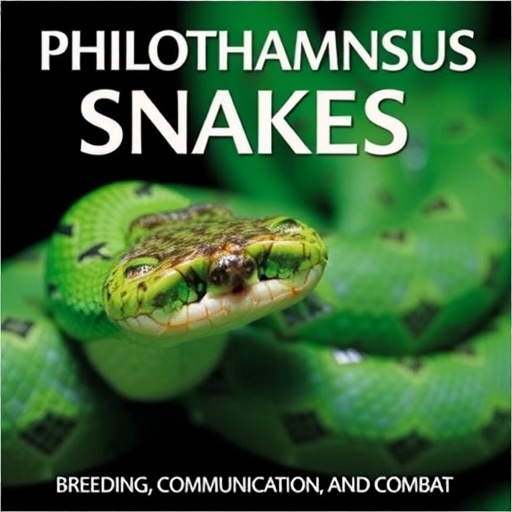
In a groundbreaking study, researchers have delved deep into the complex world of snakes, specifically focusing on the breeding behaviors, visual communication methods, and combative interactions of two closely related species: Philothamnus occidentalis and Philothamnus natalensis. This meticulous research, spearheaded by Kyle and Downs, sheds light not only on the intricate behaviors of these reptiles but also on the evolutionary strategies that have shaped their interactions, particularly during the breeding season. By examining both species side by side, the researchers have provided invaluable insights that could reshape our understanding of reptilian behavioral ecology.
One of the key findings highlights the unique mating rituals observed in Philothamnus occidentalis and Philothamnus natalensis, which showcase the complexity inherent in these snakes’ reproductive strategies. Mating displays involving intricate body movements and elaborate postures were noted, suggesting that visual communication plays a pivotal role in sexual selection for both species. Notably, males engage in a series of displays that serve to attract females, implying that these visual signals are crucial for successful mating outcomes.
The importance of visual communication extends beyond mere courtship displays. The study revealed that these snakes utilize a rich repertoire of body language that includes head bobbing, body elongation, and even color changes to convey messages to potential mates and rivals alike. These communicative behaviors are essential, particularly in the dense vegetation of their natural habitats, where visual cues can be easily obscured. As the research outlined, understanding these behaviors provides a broader perspective on how species have adapted their communication methods to thrive in complex environments.
Moreover, the research brings to light the intense male combat that occurs during the breeding season. Male Philothamnus occidentalis and Philothamnus natalensis engage in head-to-head combat, a behavior that is fascinating yet perilous. The study documents various combat strategies utilized by males, emphasizing their strength, agility, and tactical maneuvering during these confrontations. The outcomes of these battles directly influence breeding rights, making this element of their behavior critical to understanding mating success within these species.
The investigation also suggests a potential link between combat success and desirable traits in the genes of the winning males. In many animal species, traits favored in female mate selection often correlate with demonstrated physical prowess in males. By examining this relationship, Kyle and Downs propose that competitive interactions among males may not only determine short-term mating success but also serve as a driving force in the evolution of traits favored by females.
Additionally, the documentation of visual signals and combat behavior at different environmental contexts adds a layer of complexity to the understanding of these species. The research shows that habitat type, density of vegetation, and even time of day can alter both combat interactions and visual displays. This variability highlights the importance of ecological factors in shaping animal behavior, illuminating the nuanced relationship between an organism and its environment.
The authors utilized a combination of field observations and controlled laboratory conditions to gather their data, allowing for a comprehensive view of both natural and fatigue responses in the snakes. By observing them in their natural habitat, the researchers were able to witness firsthand the challenges these snakes face and the strategies they employ. Such an approach is critical for understanding not just the phenomena of mating and combat, but the broader implications of behavior adaptation in the face of environmental pressures.
Crucially, the findings from this research have broader implications for the study of sexual selection and genuinely understanding biodiversity among reptiles. The unique characteristics that define Philothamnus occidentalis and Philothamnus natalensis can serve as a model for exploring similar dynamics in other species within the family Colubridae and beyond. This insight may pave the way for further studies that investigate how visual communication and combat strategies adapt across different species and environmental contexts.
Moreover, the emphasis on visual communication highlights the need to reassess our assumptions regarding non-vocal signaling in reptiles, a relatively underexplored area of research. As the study points out, much of the existing research has focused on acoustic communication, often overlooking the complexity of visual signals. This research opens the door for a richer understanding of reptilian communication and the evolutionary pathways that have shaped these behaviors.
Additionally, the potential conservation implications of this research cannot be overstated. With many species facing habitat loss and environmental changes, understanding their mating behaviors and communication strategies is paramount. The loss of biodiversity is not only a loss of species but also a loss of ecological knowledge and evolutionary history. By advocating for the conservation of these reptiles and their habitats, the research contributes to broader discussions about habitat preservation and biodiversity.
In conclusion, Kyle and Downs’ research on the breeding behavior, visual communication, and male combat of Philothamnus occidentalis and Philothamnus natalensis presents a noteworthy advancement in reptilian behavioral studies. This work not only sheds light on the specific intricacies of these species but also encourages a deeper understanding of reptilian communication and behavior as a whole. As the natural world faces myriad challenges, studies such as this not only enrich our scientific knowledge but also heighten our appreciation for the diverse mechanisms that drive life on Earth.
Kyle, K.J., Downs, C.T. Breeding behaviour, visual communication and male combat of Philothamnus occidentalis and Philothamnus natalensis.
Sci Nat 112, 22 (2025). https://doi.org/10.1007/s00114-025-01972-6
Cite Scienmag News
Gavin Prescott. (August 24, 2025). Philothamnus Snakes: Breeding, Communication, and Combat. Scienmag. https://scienmag.com/philothamnus-snakes-breeding-communication-and-combat/
Gavin Prescott. "Philothamnus Snakes: Breeding, Communication, and Combat." Scienmag, 24 August 2025, https://scienmag.com/philothamnus-snakes-breeding-communication-and-combat/. Accessed 4 September 2026.
Gavin Prescott. "Philothamnus Snakes: Breeding, Communication, and Combat." Scienmag. August 24, 2025. https://scienmag.com/philothamnus-snakes-breeding-communication-and-combat/


