


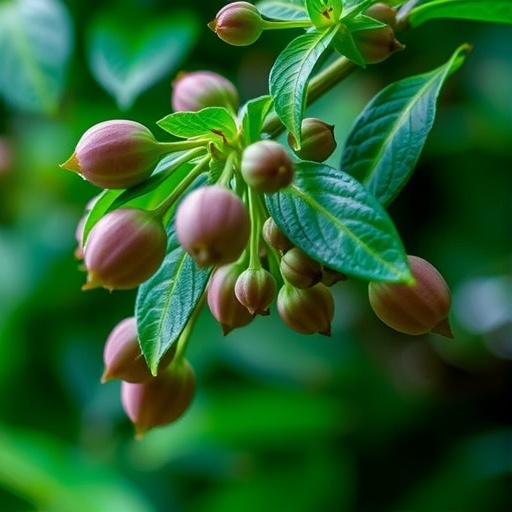
In recent years, there has been a significant shift towards the integration of green chemistry within the realm of biomedical research, particularly in efforts to combat diseases such as cancer. A pioneering study led by Sarwar, Irfan, Alamgeer, and their colleagues sheds light on the potential of natural compounds derived from plants and other natural resources as potent agents for promoting prostate health. Their research underscores the importance of exploring nature’s toolbox to unveil safe, effective alternatives in the fight against prostate-related health issues including cancer, inflammation, and hyperplasia.
Prostate health is a burgeoning area of concern, especially as aging populations become increasingly susceptible to various prostate disorders. Prostate cancer remains one of the most diagnosed malignancies among men, and the need for effective preventative and therapeutic strategies has never been more critical. Traditional treatment approaches often come with significant side effects, which has led researchers to investigate the potential of green chemistry as a means of developing more acceptable treatments. The findings from this groundbreaking study offer insights that may revolutionize how prostate health is approached.
One of the central themes of the research is the identification of bioactive compounds present in various natural sources. These compounds have been shown to possess anti-inflammatory, antioxidant, and antiproliferative properties, making them ideal candidates for prostate health interventions. The study meticulously reviews compounds derived from herbs, fruits, and vegetables, focusing on their mechanisms of action within cellular environments. This incredible wealth of knowledge not only highlights their therapeutic potential but also paves the way for future explorations in natural product chemistry.
The authors utilized a systematic approach to evaluate these natural components, examining their roles in modulating signaling pathways implicated in prostate cancer progression and inflammation. A notable aspect of this research is the continued emphasis on sustainability and environmental impact. Green chemistry principles advocate for the use of non-toxic substances in chemical processes, thereby reducing ecological footprints and promoting health-oriented practices in pharmaceutical development. This aligns seamlessly with the objectives of this comprehensive study.
A particularly fascinating component of the investigation centers around the role of plant extracts. By isolating specific phytochemicals, the researchers were able to demonstrate how these compounds can inhibit the proliferation of prostate cancer cells. Moreover, the anti-inflammatory actions of these extracts provide a dual mechanism of action—addressing not just the cancerous aspect but also contributing to overall prostate health. The synergy between different compounds presents an exciting avenue for creating holistic treatment strategies that consider the complexity of health conditions rather than treating symptoms in isolation.
The therapeutic efficacy of these natural agents is further amplified when combined with other treatment modalities. The study aligns with growing evidence suggesting that integrative approaches, utilizing both conventional and alternative treatments, may yield enhanced outcomes for patients. This multi-faceted strategy is particularly pertinent in oncology, where the right combination of therapies can make the difference between remission and relapse. The authors advocate for more extensive clinical trials to substantiate the benefits observed in laboratory settings.
Transitioning from laboratory findings to clinical application poses various challenges, yet the study emphasizes the importance of collaboration between chemists, biologists, and medical professionals. A unified approach is essential in bringing these green chemistry solutions to patients. Furthermore, education plays a crucial role in fostering a new generation of scientists who are versed in the principles of green chemistry, with an eye towards its application in medicine. This research not only provides a foundation for future studies but also serves as a call to action for stakeholders in the healthcare and chemical industries to support sustainable practices.
Public interest in health and wellness has surged, with individuals increasingly seeking natural solutions for health issues. This study aligns perfectly with the prevailing consumer trend towards natural products, providing a scientific basis for such preferences. As more people become aware of the potential benefits of natural compounds, the demand for research-backed information will continue to grow. With this study, the authors not only contribute to scientific discourse but also provide valuable insights for public health messaging and education initiatives.
The implications of this research extend beyond prostate health, as the principles of green chemistry can be applied to other forms of cancer and inflammatory diseases. The adaptability of natural compounds means they could also play a role in developing therapies for a range of conditions, establishing a precedent for cross-disciplinary collaborations that elevate the standards of healthcare. Understanding how various compounds impact gene expression and cellular behavior could inform future innovations in cancer treatment, ultimately leading to personalized medicine approaches.
In conclusion, Sarwar et al.’s study provides a compelling case for the integration of green chemistry into the practical realm of healthcare. By exploring nature’s offerings, the team illustrates the potential for creating safer, more effective treatments for prostate health and beyond. Through their work, they challenge researchers and practitioners to re-evaluate existing paradigms in cancer treatment, advocating for a shift toward more holistic, environmentally-conscious healthcare solutions. The future of medicinal chemistry lies not only in the synthesis of new compounds but also in the mindful exploration of the natural world that surrounds us.
This investigation not only enhances our understanding of prostate health but also reaffirms the importance of an ecological perspective in scientific research. As we stand at the intersection of science and sustainability, the pathway forward becomes clear: embracing green chemistry principles may very well be the key to unlocking a healthier future for all.
Sarwar, M., Irfan, H.M., Alamgeer et al. Green chemistry for prostate health: exploring nature’s toolbox against cancer, inflammation, and hyperplasia.
Mol Divers (2025). https://doi.org/10.1007/s11030-025-11305-4
Cite Scienmag News
Roy Phillips. (August 24, 2025). Nature’s Remedies: Green Chemistry for Prostate Health. Scienmag. https://scienmag.com/natures-remedies-green-chemistry-for-prostate-health/
Roy Phillips. "Nature’s Remedies: Green Chemistry for Prostate Health." Scienmag, 24 August 2025, https://scienmag.com/natures-remedies-green-chemistry-for-prostate-health/. Accessed 6 September 2026.
Roy Phillips. "Nature’s Remedies: Green Chemistry for Prostate Health." Scienmag. August 24, 2025. https://scienmag.com/natures-remedies-green-chemistry-for-prostate-health/


