


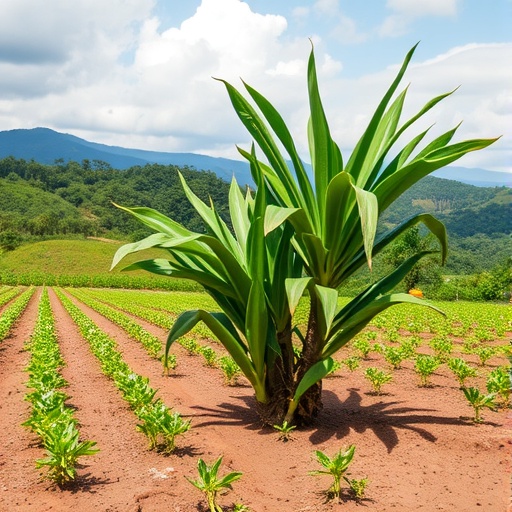
In an era where agriculture faces unprecedented challenges due to climate change and pest populations, the research conducted by Msomba, Ndaki, and Joseph offers essential insights into the relationship between pest dynamics, climate variability, and varietal resistance in sugar plantations. Their study, published in the journal Discover Agriculture, highlights the significant implications for sustainable management practices in Tanzanian agriculture, specifically within the Kagera region’s sugar plantations. This research not only identifies the impact of climatic conditions on pest populations but also delves into how these factors intertwine with the resistance offered by various sugarcane cultivars.
Climate change has instigated a myriad of shifts in agricultural practices worldwide. Altered temperature patterns and increasing unpredictability in precipitation have created environments where pests can thrive, leading to crop losses that threaten food security and farmer livelihoods. The Kagera sugar plantation is no exception. Here, rising temperatures, variability in seasonal rainfall, and prolonged droughts are creating a perfect storm for pest outbreaks. By examining these dynamics, Msomba and colleagues provide critical data that can inform how farmers manage these threats.
The researchers emphasize that pest populations are influenced not solely by climate trends but also through direct and indirect interactions with the crops themselves. Varietal resistance—defined as the inherent ability of a plant to withstand pest attacks—plays a vital role in determining pest dynamics. By analyzing how different sugarcane varieties react to changes in climatic conditions, the team was able to identify which cultivars demonstrate greater resilience against prevalent pests. This discovery underscores the necessity of incorporating varietal selection into pest management strategies for sustainable agricultural practices.
Furthermore, the findings indicate that local farmers must adapt their cultivation techniques in response to these shifting dynamics. Utilizing pest-resistant sugarcane varieties could significantly mitigate the impacts of pest infestations and reduce the reliance on chemical pesticides. This not only supports ecological balance but also promotes sustainable farming practices. The study suggests that integrating these resistant varieties with environmentally friendly pest management systems will be essential in developing a holistic strategy for tackling pest issues.
The research team’s thorough examination of climatic factors influencing pest populations also sheds light on the broader implications for global agriculture. As pests shift their ranges in response to changing temperatures and weather patterns, crops traditionally grown in certain regions may find themselves increasingly vulnerable. This points to the urgent need for research and funding in developing adaptive agricultural practices and resilient crop varieties that can withstand these new challenges.
Moreover, the authors employed advanced statistical models to better understand the correlation between climatic data and pest populations. By utilizing historical data alongside predictive models, they were able to forecast pest outbreaks with surprising accuracy. This data-driven approach can serve as a valuable tool for farmers, enabling them to anticipate pest threats before they escalate into full-blown infestations. The use of predictive analytics in pest management represents a significant leap forward in agricultural science, paving the way for more proactive farming practices.
While the study primarily focuses on sugarcane in Tanzania, its implications extend well beyond national borders. As food systems throughout the world encounter similar challenges, the lessons learned from the Kagera sugar plantation can inform agricultural strategies in various regions facing pest threats and climate challenges. Global cooperation could optimize pest management practices, ensuring that resources and knowledge are shared, thus fostering resilience in worldwide food production.
Pest management in the context of sustainable agriculture is not merely about responding to immediate challenges; it’s about building long-term systems that can endure environmental fluctuations. Msomba and colleagues place a strong emphasis on the importance of farmer education and community engagement. Involving local stakeholders in the management process not only empowers them but also enhances the effectiveness of the strategies being employed. Community-driven approaches are essential for the adoption of sustainable practices across different agricultural galleries.
In summary, the research conducted by Msomba et al. serves as a timely reminder of the interconnectedness of climate, pest dynamics, and agricultural practices. The findings emphasize the urgent need for adaptive management strategies that incorporate varietal resistance and environmentally sustainable techniques. By embracing these concepts, farmers in the Kagera region and beyond can secure their future against the ominous threats posed by climate change and pest pressures, ultimately contributing to a more resilient agricultural landscape.
The article poses significant questions about the fate of global agriculture as we navigate the intricacies of climate change and pest management. As we move forward, embracing innovations in pest resistance and cultivation techniques will be paramount. It will require a collective effort from scientists, farmers, policymakers, and communities to foster an environment where agricultural practices can sustain themselves amidst shifting climatic patterns.
Forsaking short-term reactions in favor of long-term sustainability must become the central philosophy guiding agricultural advancements. Thus, by recognizing and addressing the dynamics outlined in this study, we can protect not only the crops but also the livelihoods of farmers precariously balanced on the precipice of change.
Ultimately, as we gather insights from such significant research, the path forward becomes clearer: nurture an agriculture that is not just resilient but also proactive in the face of adversity, setting the stage for a sustainable future for generations to come.
Cite Scienmag News
Alan Morgan. (November 4, 2025). Pest Dynamics and Climate: Sustainable Solutions for Kagera Sugar. Scienmag. https://scienmag.com/pest-dynamics-and-climate-sustainable-solutions-for-kagera-sugar/
Alan Morgan. "Pest Dynamics and Climate: Sustainable Solutions for Kagera Sugar." Scienmag, 4 November 2025, https://scienmag.com/pest-dynamics-and-climate-sustainable-solutions-for-kagera-sugar/. Accessed 4 September 2026.
Alan Morgan. "Pest Dynamics and Climate: Sustainable Solutions for Kagera Sugar." Scienmag. November 4, 2025. https://scienmag.com/pest-dynamics-and-climate-sustainable-solutions-for-kagera-sugar/


