


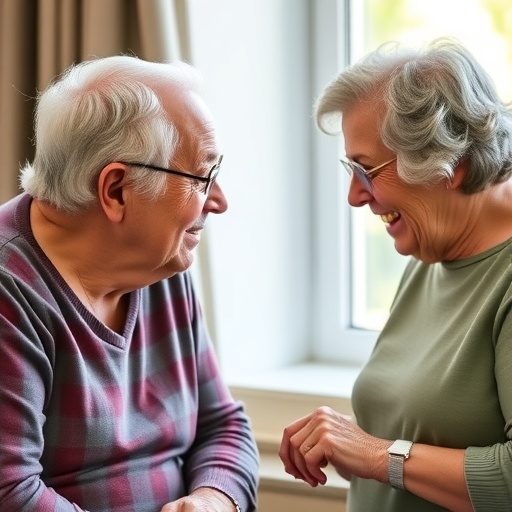
In an era where the global population is aging rapidly, the intricate challenges posed by cancer treatments in older adults demand urgent attention and innovative interventions. Among these challenges, physical frailty emerges as a formidable barrier, often exacerbating the negative effects of oncological therapies. Recently, a groundbreaking study protocol titled “Effectiveness of a personalised 6-month programme on physical frailty in older patients treated for bladder or kidney cancer – FRAGECO program” has been introduced, heralding a new frontier in geriatric oncology. This ambitious multicenter, controlled, randomized study aims to address the multifaceted issue of physical frailty with a customized intervention, promising to revolutionize patient care paradigms for senior cancer patients.
Older adults diagnosed with bladder or kidney cancer frequently present with multiple comorbidities, diminished physiological reserves, and a heightened vulnerability to treatment-related complications. Physical frailty, which encompasses a decline in muscle strength, endurance, and overall physical function, directly influences treatment outcomes, recovery trajectories, and quality of life. The FRAGECO program has been meticulously designed to intervene within this context, recognizing that a one-size-fits-all approach to managing frailty is insufficient. Instead, the program leverages personalized therapeutic regimens, tailored to the unique physiological and functional status of each patient, thereby aiming to optimize therapeutic efficacy.
The research team behind FRAGECO has adopted a robust methodology, ensuring that the study’s design aligns with the highest standards of clinical research. By implementing a multicenter, controlled, and randomized framework, the study enhances the generalizability and reliability of its findings. The controlled aspect guarantees that the effects of the personalized intervention can be critically assessed against standard care practices. Meanwhile, the randomization process helps eliminate selection biases, thus fostering a trustworthy and unbiased data collection process.
Central to the FRAGECO program is the development of individualized physical activity regimens. These regimens are not generic fitness plans but are rather carefully calibrated interventions that consider the patients’ baseline physical condition, cancer type, treatment modalities, and potential side effects. The objective is twofold: first, to attenuate or reverse components of physical frailty, and second, to empower patients to maintain or regain autonomy in activities of daily living. This approach acknowledges that even subtle improvements in physical capabilities can translate into significant clinical and psychosocial benefits.
The importance of addressing frailty in oncological settings cannot be overstated. Physical frailty has been linked to increased mortality rates, prolonged hospital stays, higher rates of treatment discontinuation, and diminished tolerance to chemotherapy and radiation. By targeting frailty proactively, the FRAGECO program envisions a future where older cancer patients can withstand aggressive treatments better, reduce hospitalization risks, and improve survival statistics. Crucially, this study also underlines the potential for personalized medicine to transcend molecular profiling and pharmacogenomics by integrating physical and functional assessments.
Moreover, the investigators have integrated comprehensive assessments into their protocol, encompassing physical performance tests, patient-reported outcome measures, and biomarkers indicative of inflammatory status and muscle degradation. This multimodal evaluation strategy ensures a holistic understanding of how the intervention influences both objective physical parameters and subjective quality of life indicators. Importantly, this aligns with the principles of geriatric care, which prioritize function, independence, and patient-centered outcomes above mere disease control.
Beyond the individual benefits, the FRAGECO program holds profound implications for healthcare systems struggling with the increasing burden of cancer care in aging populations. Tailored interventions that reduce frailty could potentially curtail healthcare costs by decreasing complications, readmissions, and long-term care needs. Furthermore, by demonstrating the efficacy of personalized programs, this study may inspire policy shifts toward incorporating routine frailty assessments and interventions in oncological treatment protocols for older adults.
The FRAGECO study also pioneers efforts to integrate multidisciplinary collaboration, engaging oncologists, geriatricians, physiotherapists, nutritionists, and behavioral scientists. This collaborative model fosters the design of interventions that are not only medically sound but also feasible, culturally sensitive, and adaptable to various patient environments. Such an integrated approach is essential given the complex interplay of biological, psychological, and social factors that characterize frailty in older cancer patients.
This trial’s timeframe of six months is judiciously chosen to balance the need for observing significant clinical changes with maintaining patient engagement and adherence. In oncology, where treatment cycles often span several months, aligning the intervention duration with typical clinical timelines enhances the feasibility and relevance of the program. It allows for the continuous evaluation of intervention impact in parallel with ongoing cancer treatments, thereby providing real-world applicability.
It is noteworthy that the FRAGECO protocol places a significant emphasis on adherence strategies, recognizing that ensuring consistent patient participation in frailty programs is a common challenge. Strategies such as motivational interviewing, regular follow-ups, and personalized feedback are embedded in the program to optimize compliance and to foster a therapeutic alliance between patients and healthcare providers. This focus on behavioral support is pivotal, as physical interventions alone may fall short if patients are not adequately motivated or supported.
While the publication details only the study protocol, the anticipation surrounding the potential outcomes is palpable. Should the program prove effective, it could pioneer a paradigm shift in managing physical frailty in older cancer patients, extending beyond bladder and kidney malignancies to other cancer types and chronic conditions. Furthermore, success in this domain could stimulate further research into the biological mechanisms underpinning frailty and resilience, potentially unveiling novel therapeutic targets.
The research also underscores the ethical imperative of improving quality of life for elderly patients who often face therapeutic nihilism due to age-associated factors. By focusing on personalized care, the FRAGECO program champions the concept of individualized dignity in medical treatment, ensuring that older adults receive interventions that respect their unique physiological and psychosocial context.
In summary, the “Effectiveness of a personalised 6-month programme on physical frailty in older patients treated for bladder or kidney cancer – FRAGECO program” study protocol embodies a visionary approach to geriatric oncology. It melds precision medicine, multidisciplinary collaboration, and a patient-centered ethos to tackle one of the most pressing complications faced by older adults undergoing cancer treatment. If successful, it promises to enhance treatment tolerability, reduce adverse outcomes, and uplift quality of life in a vulnerable patient population, forging a new path in the intersection of oncology, geriatrics, and rehabilitation science.
This innovative research bridging the gap between oncology and geriatric rehabilitation is a testament to the evolving nature of modern medicine, where the synthesis of personalized interventions and robust clinical research paves the way for transformative patient outcomes. As the global community awaits the findings, the FRAGECO program shines as a beacon of hope, heralding an era whereby aging, cancer, and frailty are met not with resignation but with scientifically robust resilience-building interventions.
Cite Scienmag News
Beatrice Stafford. (June 12, 2026). Personalized Program Reduces Frailty in Elderly Cancer Patients. Scienmag. https://scienmag.com/personalized-program-reduces-frailty-in-elderly-cancer-patients/
Beatrice Stafford. "Personalized Program Reduces Frailty in Elderly Cancer Patients." Scienmag, 12 June 2026, https://scienmag.com/personalized-program-reduces-frailty-in-elderly-cancer-patients/. Accessed 4 September 2026.
Beatrice Stafford. "Personalized Program Reduces Frailty in Elderly Cancer Patients." Scienmag. June 12, 2026. https://scienmag.com/personalized-program-reduces-frailty-in-elderly-cancer-patients/


