


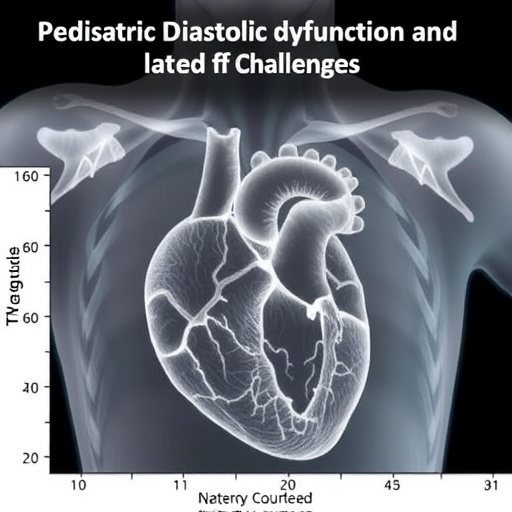
In the evolving realm of pediatric cardiology, one of the most intricate and least understood subjects is pediatric diastolic dysfunction and heart failure with preserved ejection fraction (HFpEF). A groundbreaking article published on May 20, 2026, by Losordo, Amin, Singla, and colleagues in Pediatric Research seeks to shed comprehensive light on this enigmatic clinical syndrome, which remains a stubborn challenge in pediatric practice. The discussion focuses on the nuances of diastolic dysfunction in children, its implications on heart failure progression, and the overarching difficulties scientists and clinicians face in diagnosis and treatment.
Unlike systolic heart failure, where the heart’s ability to contract and pump blood is compromised, diastolic dysfunction pertains to the impaired relaxation and filling of the left ventricle during diastole. In pediatrics, this distinction becomes crucial as diagnostic criteria and clinical manifestations differ significantly from adults. The article underscores that heart failure with preserved ejection fraction—a predominant heart failure subtype in adults—is increasingly recognized in children as well, marking a shift in the epidemiological landscape of pediatric cardiac disorders.
The pathophysiology of pediatric diastolic dysfunction is multifaceted, involving alterations at the cellular, molecular, and structural levels of the myocardium. The authors emphasize that pediatric hearts often display unique adaptive and maladaptive responses to various insults, such as congenital heart defects, cardiomyopathies, or systemic diseases like diabetes and obesity. These conditions trigger changes in myocardial stiffness, calcium handling, and extracellular matrix remodeling, contributing to impaired ventricular relaxation and compliance.
One of the article’s pivotal points is the challenge surrounding diagnostic tools. Traditional echocardiographic parameters, extensively validated in adults, often fall short or lack specificity in pediatric populations. The paper discusses emerging modalities such as advanced tissue Doppler imaging, cardiac MRI with tissue characterization, and biomarkers that may offer earlier and more accurate detection of diastolic dysfunction in children. These innovations represent a beacon of hope for timely intervention and improved clinical outcomes.
Furthermore, the authors delve into the complex interplay between systemic inflammation, neurohormonal activation, and endothelial dysfunction in the progression of HFpEF in the pediatric cohort. This interrelationship complicates the clinical picture and demands a nuanced understanding that integrates cardiology with immunology, endocrinology, and nephrology. Such a multi-system involvement reinforces the necessity for multidisciplinary care models tailoring treatments to individual patient phenotypes and disease trajectories.
Treatment options for pediatric diastolic dysfunction and HFpEF remain frustratingly limited. The article critiques current pharmacologic strategies, often borrowed from adult protocols, highlighting their inconsistent efficacy and potential adverse effects on growing tissues. Novel therapeutic avenues explored include agents targeting myocardial fibrosis, calcium cycling, and metabolic modulation. The pursuit of precision medicine approaches, leveraging genomic insights and biomarker profiles, is positioned as the future cornerstone of managing this complex syndrome.
In addition to pharmacotherapy, the review examines non-pharmacologic interventions, including lifestyle modification, tailored exercise regimens, and advanced device therapies. The authors note the challenges in applying advanced therapies such as mechanical circulatory support or cardiac resynchronization in children due to anatomical variations and technical constraints. This perspective opens a critical discourse on the need for pediatric-specific device development and clinical trials.
A salient aspect of the article is the recognition of gaps in existing research. There is an urgent call for longitudinal studies that can unravel the natural history of pediatric diastolic dysfunction and refine prognostic tools. The heterogeneity of pediatric heart failure populations demands better stratification methods to facilitate targeted clinical trials and improve generalizability of findings across diverse patient groups.
Another emerging focus area addressed is the role of environmental and socioeconomic factors influencing disease onset and progression. The authors argue that social determinants of health, access to specialized care, and global disparities significantly shape the outcomes of pediatric heart failure patients, necessitating global collaboration and health policy reforms.
The neurodevelopmental and psychosocial implications of chronic heart failure in children are also discussed. Persistent heart dysfunction affects not only physical growth but cognitive and emotional development, underscoring a holistic approach to patient care. Addressing these facets could enhance quality of life and long-term prognosis, demanding integration of psychological support within pediatric cardiology practices.
The article culminates with a visionary outlook on future research directions. Integration of artificial intelligence and machine learning in diagnostic algorithms, personalized medicine, and translational research combining bench science with clinical practice are poised to revolutionize the field. The authors advocate for international registries and consortia to accelerate knowledge dissemination and therapeutic breakthroughs.
This comprehensive analysis of pediatric diastolic dysfunction and HFpEF offers profound insights into a challenging frontier of medicine. It underscores the complexity of the disease process in children, the inadequacy of current diagnostic and therapeutic tools, and the staggering potential of emerging scientific innovations. As pediatric cardiology continues to evolve, this work serves as a cornerstone in bridging existing gaps, fostering multidisciplinary collaboration, and ultimately transforming patient outcomes in the coming decades.
Losordo and colleagues’ article stands as a clarion call to clinicians, researchers, and policymakers alike. It urges the community to recognize pediatric diastolic dysfunction and HFpEF not merely as adult conditions transplanted to pediatric care but as distinct entities requiring dedicated focus. The path forward demands an amalgamation of cutting-edge technology, refined clinical acumen, and compassionate care tailored to the youngest and most vulnerable patients.
The impact of this research cannot be overstated. By elucidating current challenges and opportunities, it provides a roadmap to mitigate the burden of pediatric heart failure with preserved ejection fraction. The hope is that with concerted efforts, early diagnosis, innovative therapies, and holistic support will reshape the lives of countless children affected by this silent yet devastating cardiac disorder.
Cite Scienmag News
Harold Sullivan. (May 20, 2026). Pediatric Diastolic Dysfunction and Preserved EF Challenges. Scienmag. https://scienmag.com/pediatric-diastolic-dysfunction-and-preserved-ef-challenges/
Harold Sullivan. "Pediatric Diastolic Dysfunction and Preserved EF Challenges." Scienmag, 20 May 2026, https://scienmag.com/pediatric-diastolic-dysfunction-and-preserved-ef-challenges/. Accessed 4 September 2026.
Harold Sullivan. "Pediatric Diastolic Dysfunction and Preserved EF Challenges." Scienmag. May 20, 2026. https://scienmag.com/pediatric-diastolic-dysfunction-and-preserved-ef-challenges/


