


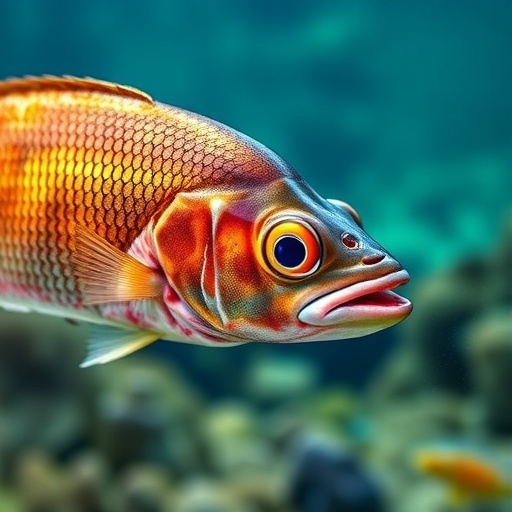
A recent study has stoked environmental concerns by revealing alarming levels of polychlorinated biphenyls (PCBs) in twenty-one fish species native to the coastal regions of Turkey. Conducted by researchers O. Yurdakul, I. Pazi, and L.T. Gonul, the findings not only highlight the pervasive nature of these industrial pollutants in aquatic ecosystems but also pose significant implications for dietary exposure among local populations. With the presence of PCBs dating back decades, this research offers a much-needed spotlight on an ongoing environmental issue that could potentially affect human health and biodiversity.
The study undertakes a rigorous assessment of PCB levels in various fish species caught along Turkey’s coastlines. This region, known for its rich marine biodiversity, is under increasing pressure from industrial activities, agricultural runoff, and urbanization, which can all contribute to the contamination of water systems. The research underscores the need for continuous monitoring and management of these pollutants in marine environments, as they can bioaccumulate in the food chain, affecting not only fish populations but the entire marine ecosystem.
PCBs are a group of synthetic organic chemicals known for their long-term persistence in the environment. They were widely used in industrial applications, including electrical insulation, until their ban in many countries due to their adverse health effects, which include cancer and immune system suppression. The study meticulously analyzed the fish samples for PCB concentrations, presenting a comprehensive overview of contamination levels that could serve as a bellwether for environmental policy.
One of the most disturbing findings of the research is the varying levels of PCB contamination across different fish species. Certain species displayed significantly higher concentrations, raising questions about habitat preferences, feeding patterns, and the ecological consequences of such disparities. For instance, predatory fish that occupy higher trophic levels tend to accumulate more PCBs due to biomagnification, a process where the concentration of pollutants increases as one moves up the food chain.
The results of this study are not merely academic; they pose immediate concerns for dietary consumption. As fish remain a staple protein source for many communities in Turkey, understanding the levels of PCBs in locally caught fish is crucial for public health. The researchers have urged regulatory bodies to establish safety thresholds for PCB levels in fish to protect consumers from potential health risks associated with long-term exposure to these toxic compounds.
Furthermore, the research calls attention to the role of government and non-governmental organizations in enforcing stricter regulations on industrial discharges and pollution management. Without policy changes that prioritize environmental health, communities may continue to face exposure to hazardous pollutants, not only through the fish they consume but also through compromised water quality.
In addition to human health implications, the study highlights the broader ecological consequences of PCB contamination. Marine wildlife, including birds and mammals, often rely on fish as a primary food source. Therefore, the presence of PCBs in fish can have cascading effects throughout the food web, impacting species diversity and population dynamics. This necessitates an interdisciplinary approach to environmental management, integrating research, policy, and community involvement to mitigate the impacts of these pollutants.
Moreover, the study serves as a call to action for further research into the effects of PCBs on marine life and human health. While this study provides critical data, more extensive longitudinal studies are needed to understand the long-term impacts of PCB exposure in both fish species and human consumers. This research emphasizes the necessity of collaboration among scientists, policymakers, and the public to ensure that the risks associated with environmental contaminants are effectively communicated and addressed.
Addressing PCB contamination also involves public awareness and education. Community engagement is vital in fostering understanding of the significance of these findings and advocating for sustainable practices. By informing local populations about the risks associated with PCB consumption and promoting environmentally-friendly fishing practices, communities can take proactive steps to safeguard their health and the health of their marine environments.
As the research by Yurdakul, Pazi, and Gonul has demonstrated, polychlorinated biphenyls remain a pressing environmental concern that warrants serious attention. The study brings to light the intricate connections between human health, marine biodiversity, and environmental pollution, emphasizing that solutions must encompass regulatory frameworks, public education, and continuous scientific inquiry. It is essential for all stakeholders to collaborate in creating a roadmap towards cleaner oceans and healthier diets, safeguarding the future of both marine ecosystems and the communities that depend on them.
In conclusion, the findings of PCB levels in Turkish fish species underscore a pivotal moment for environmental sustainability in the region. As the urgency for action mounts, fostering a collective approach to combat pollution could serve as a blueprint for addressing similar issues globally. The path forward requires a synthesis of knowledge, policy, and community engagement to ensure that future generations inherit a healthier planet.
Cite Scienmag News
Daisy Hatcher. (October 2, 2025). PCB Levels in Turkish Fish: Dietary Exposure Risks. Scienmag. https://scienmag.com/pcb-levels-in-turkish-fish-dietary-exposure-risks/
Daisy Hatcher. "PCB Levels in Turkish Fish: Dietary Exposure Risks." Scienmag, 2 October 2025, https://scienmag.com/pcb-levels-in-turkish-fish-dietary-exposure-risks/. Accessed 3 September 2026.
Daisy Hatcher. "PCB Levels in Turkish Fish: Dietary Exposure Risks." Scienmag. October 2, 2025. https://scienmag.com/pcb-levels-in-turkish-fish-dietary-exposure-risks/


