


In recent years, the nutritional science community has focused intensively on the health-promoting qualities of polyphenols, a diverse group of bioactive compounds abundantly found in fruits and vegetables. These micronutrients are renowned not only for their antioxidant properties but also for their potential protective effects against chronic diseases such as cardiovascular ailments and neurodegenerative disorders. A groundbreaking study, soon to be published in the Journal of Agricultural and Food Chemistry, elucidates that the method of pasteurizing fruit and vegetable smoothies—a ubiquitous way to preserve these beverages—significantly influences the bioaccessibility of polyphenols during digestion, ultimately enhancing their availability to the gut microbiome.
Polyphenols typically exist within the complex plant cell matrix, rendering their complete release during digestion somewhat limited under raw consumption conditions. Conventional wisdom often advises minimal processing to preserve natural nutrients; however, emerging evidence suggests that specific processing techniques may actually improve the liberation and absorption of these compounds. Pasteurization, traditionally employed to inhibit microbial contamination and extend shelf life, may thus possess an unexpected functional benefit beyond food safety, by altering the physicochemical state of plant tissues in smoothies.
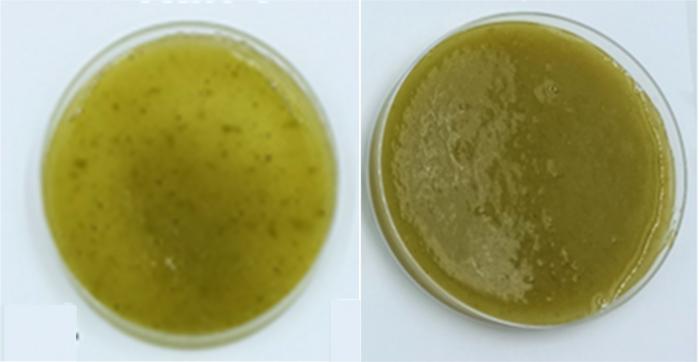
The investigative team, led by Iziar Ludwig, formulated a carefully balanced smoothie blend composed of Granny Smith apples, green celery, green chicory, peppermint, and lemon. This combination was chosen for its polyphenol richness and relevance to typical commercial products. Dividing the blend into three sample sets, the group subjected one to conventional processing—no treatment—while the other two underwent pasteurization via high pressure and high temperature, respectively. These modalities simulate industrial conditions designed to eradicate pathogenic microorganisms while potentially modifying food matrix structures.
To mimic human digestion, the smoothies were passed through a series of in vitro stages replicating oral, gastric, and small intestinal environments under controlled laboratory conditions. This approach allowed the researchers to assess the release dynamics of polyphenols without the variability inherent in human trials. Measurements demonstrated that both pasteurization methods elevated polyphenolic content in digested samples compared to raw counterparts. High-pressure processing yielded a 21% increase, whereas thermal pasteurization exhibited an even more pronounced 44% enhancement in bioaccessible polyphenols.
This phenomenon is believed to be driven by thermal and mechanical stressors inducing cell wall disintegration in the plant constituents. Such degradation facilitates the liberation of polyphenolic compounds previously bound within cellular compartments, enhancing their solubility and subsequent passage through the gastrointestinal mucosa where microbial communities reside. These findings challenge the conventional perception that heat diminishes nutrient density, underscoring a nuanced interaction between food processing and nutrient bioavailability.
Further experiments focused on the colonic fermentation phase, where the gut microbiota metabolizes residual dietary polyphenols into smaller bioactive derivatives. Utilizing vials inoculated with human fecal samples to replicate colonic microbial environments, the study observed extensive microbial conversion of the polyphenols into metabolites such as phenylpropanoic acids. Notably, these metabolites are implicated in beneficial health effects, including anti-inflammatory, antidiabetic, and cancer-preventive mechanisms.
The pronounced microbial transformations were particularly evident in the samples receiving thermal pasteurization, corresponding with their elevated initial polyphenol concentrations. This suggests that enhanced polyphenolic bioaccessibility through pasteurization may amplify downstream microbial metabolic activity, thereby potentially augmenting the functional impact of smoothiebased diets on host health.
Scientifically, this study bridges significant knowledge gaps concerning how different pasteurization techniques affect polyphenol release and metabolism. Past research has alluded to increased polyphenol bioavailability in canned or boiled foods like peppers and artichokes, but very few analyses have delved into beverage matrices such as smoothies or examined the contributions of high-pressure processing alongside thermal treatments.
From a technological standpoint, the implications for the food industry are immense. Manufacturers could optimize pasteurization parameters to produce smoothie products tailored for superior polyphenol bioaccessibility and enhanced health-promoting characteristics. This presents an opportunity to innovate functional beverages that leverage microbiome interactions, potentially leading to new market segments focused on diet-based disease prevention.
Moreover, these results call for a reevaluation of processing guidelines and nutritional labeling with respect to polyphenol content and bioavailability, considering that the form and degree of processing markedly influence the nutritional efficacy of derived products. Future human clinical trials are warranted to confirm the in vitro outcomes and to precisely quantify health benefits attributable to the enriched presence of microbiota-derived phenolic metabolites after consuming processed smoothies.
Despite the encouraging data, Ludwig and colleagues acknowledge the preliminary nature of their analysis. They emphasize the necessity for expanded investigations involving diverse fruit and vegetable combinations, larger sample cohorts, and in vivo studies assessing the bioavailability and physiological impacts of these polyphenols in human subjects. Such multidimensional research strategies will be crucial to comprehensively understand the mechanisms and optimize processing methods.
In conclusion, this pioneering research highlights that pasteurization, a mainstay food preservation technique, can be strategically applied to enhance the nutritional quality of smoothies by improving the release and gut microbial transformation of polyphenols. It thereby advances the paradigm of functional food processing by integrating food technology with microbiome science, paving the way for innovative strategies that harness natural compounds in disease prevention and health promotion.
News Publication Date: 11-Jun-2025
Web References: http://dx.doi.org/10.1021/acs.jafc.4c09166
Keywords
Chemistry, Food science, Digestion
Cite Scienmag News
Daisy Hatcher. (June 11, 2025). Pasteurizing Fruit Smoothies May Enhance Digestion of Beneficial Polyphenols. Scienmag. https://scienmag.com/pasteurizing-fruit-smoothies-may-enhance-digestion-of-beneficial-polyphenols/
Daisy Hatcher. "Pasteurizing Fruit Smoothies May Enhance Digestion of Beneficial Polyphenols." Scienmag, 11 June 2025, https://scienmag.com/pasteurizing-fruit-smoothies-may-enhance-digestion-of-beneficial-polyphenols/. Accessed 4 September 2026.
Daisy Hatcher. "Pasteurizing Fruit Smoothies May Enhance Digestion of Beneficial Polyphenols." Scienmag. June 11, 2025. https://scienmag.com/pasteurizing-fruit-smoothies-may-enhance-digestion-of-beneficial-polyphenols/


