


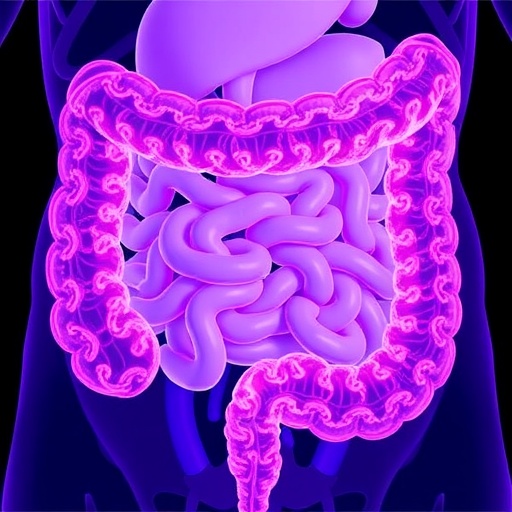
In the intricate landscape of ulcerative colitis (UC), a chronic inflammatory bowel condition, new research has shed light on a phenomenon long considered a mere byproduct of persistent inflammation: Paneth cell metaplasia (PCM). The study, led by researchers from the newly established Institute of Science Tokyo (Science Tokyo), illuminates the remarkable role of interleukin-22 (IL-22) in driving this cellular transformation in the colon, unveiling a dual-edged mechanism that not only fosters epithelial repair but also signals potential oncogenic risks.
Ulcerative colitis is characterized by recurring inflammation and ulceration of the colon’s mucosal lining, leading to significant patient morbidity. During prolonged inflammatory episodes, the colon sometimes exhibits an anomalous appearance of Paneth cells—specialized secretory cells typically localized in the small intestine. This adaptation, termed Paneth cell metaplasia, has historically been viewed as a pathological curiosity, a residual consequence of ongoing inflammation whose functional implications remained elusive. The breakthrough work from Science Tokyo posits that this metaplasia may instead play a pivotal, adaptive role in mucosal healing.
Through meticulous molecular profiling of colonic biopsy samples from UC patients, the team found that metaplastic Paneth cells markedly upregulate the expression of REG3A, an antimicrobial protein instrumental in intestinal defense. More strikingly, these cells exhibit a strong transcriptional signature driven by IL-22 signaling, a cytokine known for its regulatory influence on epithelial biology. IL-22’s role extends beyond antimicrobial defense, orchestrating cellular pathways that facilitate tissue regeneration and barrier restoration, thus positioning PCM as a functional reparative response rather than mere histological aberration.
The functional significance of REG3A was substantiated in parallel murine models of colitis, where epithelial-specific deletion of Reg3a led to notably impaired wound healing and protracted recovery from mucosal injury. These findings delineate a vital reparative axis wherein IL-22-induced Paneth cells act as cellular sources of REG3A, catalyzing epithelial restitution and reinforcing barrier integrity amidst the hostile milieu of chronic inflammation.
Nevertheless, the study emphasizes a cautionary perspective. While PCM emerges as a beneficial adaptation, its persistence and the resultant proliferative signaling milieu may inadvertently escalate the risk of colorectal neoplasia, a recognized complication of longstanding UC. The proliferative stimulus engendered by IL-22 and the metaplastic phenotype could potentiate dysplastic transformation, necessitating vigilant clinical surveillance and perhaps redefined therapeutic protocols for patients manifesting PCM.
The spatial and temporal dynamics of PCM were examined, revealing that its prevalence correlates positively with sustained inflammation and disease duration, particularly manifesting in the distal colon. This observation underscores the clinical potential of PCM as a biomarker, providing a histological index for monitoring subclinical disease activity and guiding intensified management even in the absence of overt endoscopic inflammation.
From a translational standpoint, the delineation of the IL-22-Paneth cell-REG3A axis heralds promising therapeutic avenues. Targeted augmentation of REG3A or modulation of IL-22 signaling pathways might represent innovative strategies to accelerate mucosal healing in UC, circumventing the chronicity of ulcerative lesions and improving patient outcomes. However, the oncogenic risks associated with sustained PCM necessitate a balanced approach to manipulating these pathways.
This landmark study exemplifies the integration of clinical observation with molecular and immunological insights. It reflects a paradigm shift in understanding UC pathophysiology, where metaplasia is reframed not as a static marker of damage but as a dynamic contributor to mucosal resilience. The collaborative research effort spanning Japan and Germany combines advanced genomics, immunology, and in vivo models to unravel this complex crosstalk between inflammation and epithelial plasticity.
The findings invite a reevaluation of existing clinical protocols, suggesting that monitoring PCM in biopsy specimens could become integral in tailoring surveillance strategies and therapeutic intensity. Such precision medicine approaches might mitigate the risk of colorectal cancer and optimize healing, ultimately translating basic scientific discoveries into improved clinical care frameworks.
Moreover, this research may have broader implications for other inflammatory epithelial disorders, wherein cytokine-driven metaplastic changes modulate tissue homeostasis. The principles unraveled here could inspire analogous investigations across various mucosal systems, potentially unveiling universal mechanisms of inflammation-induced epithelial adaptation and repair.
In sum, the Science Tokyo team’s elucidation of IL-22’s central role in fostering Paneth cell metaplasia through REG3A induction redefines our understanding of ulcerative colitis pathology. It spots a fine balance between reparative processes and carcinogenic risk, highlighting the nuanced interplay at work in chronic inflammatory diseases. As we harness these insights, the challenge lies in translating them into safe and effective clinical interventions that respect the complexity of disease biology.
Cite Scienmag News
Nathaniel Bowman. (June 22, 2026). Paneth Cell Metaplasia: A Potential Protective Mechanism in Ulcerative Colitis. Scienmag. https://scienmag.com/paneth-cell-metaplasia-a-potential-protective-mechanism-in-ulcerative-colitis/
Nathaniel Bowman. "Paneth Cell Metaplasia: A Potential Protective Mechanism in Ulcerative Colitis." Scienmag, 22 June 2026, https://scienmag.com/paneth-cell-metaplasia-a-potential-protective-mechanism-in-ulcerative-colitis/. Accessed 4 September 2026.
Nathaniel Bowman. "Paneth Cell Metaplasia: A Potential Protective Mechanism in Ulcerative Colitis." Scienmag. June 22, 2026. https://scienmag.com/paneth-cell-metaplasia-a-potential-protective-mechanism-in-ulcerative-colitis/


