


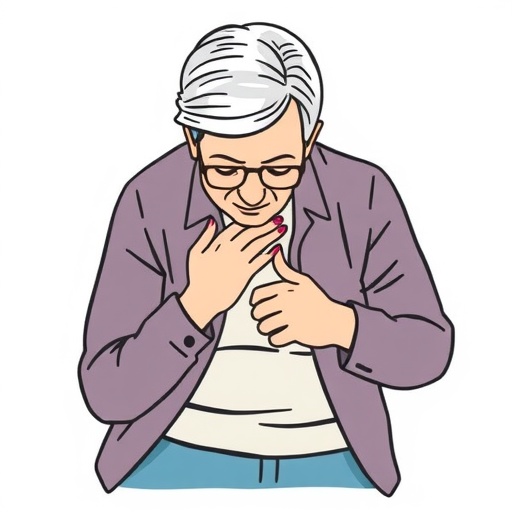
Chronic pain is often treated as a medical problem that can be measured with scales, prescriptions, and clinical guidelines. For older adults, however, the experience of pain is also shaped by mobility, memory, sleep, mood, independence, and the ability to communicate with health professionals. A new study published in BMC Geriatrics places that lived experience at the center of the discussion, examining how older adults perceive chronic pain management in primary care settings.
The article, authored by P. Gopal, A. Kagarmanova, E. Staab and colleagues, focuses on a point where many long-term health decisions are made: the primary care clinic. Primary care clinicians are often the first professionals to evaluate persistent pain and the people most likely to coordinate treatment over months or years. This makes the setting especially important for older patients, who may be managing several chronic diseases and taking multiple medications at the same time.
Chronic pain is generally defined as pain that persists or recurs for longer than the expected period of tissue healing, commonly described as three months or more. It may arise from osteoarthritis, neuropathy, spinal disorders, previous injuries, cancer, or several conditions acting together. Unlike acute pain, which can serve as a warning signal, chronic pain involves complex changes in the nervous system. Repeated signals can increase the sensitivity of pain pathways, a process known as central sensitization, meaning that pain may continue even after the original injury has stabilized.
For older adults, treating this type of pain is rarely a matter of simply choosing a stronger drug. Age-related changes in kidney and liver function can alter how medicines are absorbed, processed, and eliminated. This can increase the risk of side effects from opioids, sedatives, anti-inflammatory drugs, and other treatments. At the same time, many older patients live with hypertension, heart disease, diabetes, dementia, or depression, conditions that can influence both the perception of pain and the safety of available therapies.
The study’s focus on perceptions is scientifically significant because clinical success cannot be judged only by changes in a numerical pain score. Two people who report the same intensity on a ten-point scale may have very different levels of disability, fear, sleep disruption, or confidence in their treatment. Older adults may value the ability to walk to the shops, sleep through the night, remain socially active, or avoid dependence on family members more than achieving complete elimination of pain. Understanding these priorities can help clinicians define treatment goals that are meaningful in everyday life.
Primary care also presents a distinctive communication challenge. Appointments may be brief, while chronic pain is influenced by physical, psychological, and social factors that require time to explain. Some patients may hesitate to report pain because they fear being dismissed, appearing demanding, or being prescribed medications they do not want. Others may assume that pain is an unavoidable part of aging. When these assumptions remain unspoken, clinicians can underestimate the burden of pain or recommend plans that patients cannot realistically follow.
A patient-centered approach attempts to address this gap by combining clinical evidence with the individual’s preferences, circumstances, and goals. In practice, that may involve medication review, physical therapy, exercise adapted to ability, occupational strategies, psychological support, sleep interventions, and education about pain biology. The technical principle is multimodal care: different treatments target different mechanisms and consequences of pain, potentially reducing reliance on any single intervention. For older adults, coordinated care can also help identify harmful drug interactions and prevent avoidable loss of function.
The research is arriving as health systems confront a rapidly aging population and growing demand for long-term pain care. Chronic pain affects quality of life, physical activity, and healthcare use, yet treatment remains inconsistent across communities. Access to physiotherapy, behavioral health services, specialist pain clinics, and transportation can vary sharply. These structural factors matter because a treatment plan may be clinically sound but ineffective if a patient cannot afford it, reach appointments, understand the instructions, or obtain help at home.
By examining older adults’ views, the paper contributes to a broader shift in pain research: away from treating patients as passive recipients of medical decisions and toward recognizing them as experts in their own daily experience. Their perspectives can reveal whether treatment goals are understandable, whether risks are being communicated clearly, and whether care plans fit real lives. Such information may help primary care teams design more responsive conversations about benefits, harms, uncertainty, and acceptable trade-offs.
The publication does not make the patient’s voice a decorative addition to pain medicine; it treats that voice as evidence relevant to clinical quality. As the medical community searches for safer and more individualized ways to manage chronic pain, the central question is increasingly practical: does the treatment help an older person live better, function more safely, and retain control over daily life? The study by Gopal, Kagarmanova, Staab and colleagues brings that question into primary care, where many of the most important decisions about persistent pain are made.
Cite Scienmag News
Ophelia Keating. (August 2, 2026). Older Adults’ Views on Managing Chronic Pain in Primary Care. Scienmag. https://scienmag.com/older-adults-views-on-managing-chronic-pain-in-primary-care/
Ophelia Keating. "Older Adults’ Views on Managing Chronic Pain in Primary Care." Scienmag, 2 August 2026, https://scienmag.com/older-adults-views-on-managing-chronic-pain-in-primary-care/. Accessed 3 September 2026.
Ophelia Keating. "Older Adults’ Views on Managing Chronic Pain in Primary Care." Scienmag. August 2, 2026. https://scienmag.com/older-adults-views-on-managing-chronic-pain-in-primary-care/


