


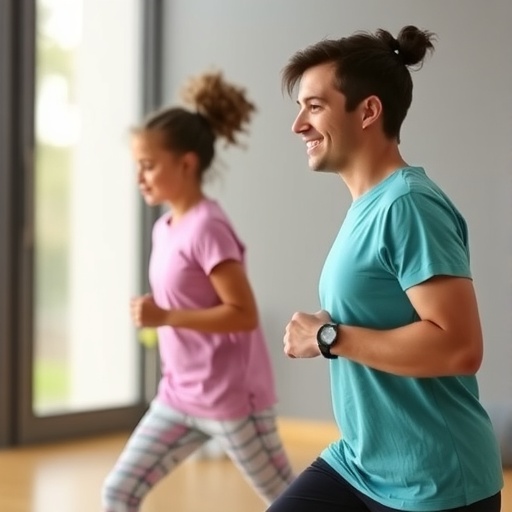
In the progression from adolescence into young adulthood, a significant decline in physical activity levels has been consistently observed, posing considerable public health challenges. While younger populations benefit from well-structured and mandated physical activities such as gym classes, sports teams, and organized extracurricular engagements, these frameworks largely dissipate once individuals graduate high school. This transition heralds a critical juncture where the onus of maintaining or initiating regular physical activity shifts predominantly to the individual, often resulting in markedly reduced engagement.
Recent findings from the University of Michigan Health C.S. Mott Children’s Hospital National Poll on Children’s Health shed light on these diminished activity patterns. Surveying over a thousand parents with children aged between 18 and 25, the study reveals that approximately one-third perceive their young adult children as minimally active or entirely inactive. This trend underscores a worrying public health issue considering the established correlation between consistent physical activity and the mitigation of chronic diseases such as cardiovascular conditions, obesity, and mental health disorders.
Underlying this decline are multifaceted barriers, as enumerated by parents in the survey. Paramount among these are constraints related to time, waning interest, and an increased predilection for screen-based leisure activities including gaming and social media consumption. These lifestyle shifts not only reduce the available time young adults allocate for physical exercise but may also diminish intrinsic motivation, a crucial determinant for sustained engagement in physical health pursuits. Contrastingly, less frequently cited obstacles include economic limitations, absence of workout partners, or health-related impairments, suggesting that motivational and behavioral components outweigh structural or financial factors in this demographic.
Notably, there is a pronounced divergence in activity modalities across the young adult age spectrum. Individuals in the 18 to 20-year range tend to favor socially oriented physical activities, such as organized sports or group-based recreational endeavors like dancing and skating. As they transition beyond age 21, a shift towards solitary forms of exercise, including gym workouts or occupational physical activities, becomes more prevalent. This evolution reflects broader lifestyle changes wherein social connectivity diminishes, potentially impacting the enjoyment and sustainability of physical exercise regimens.
The critical role of enjoyment in fostering habitual physical activity cannot be overstated. The diminishing interest reported by parents highlights a central psychological barrier: if young adults do not derive pleasure or fulfillment from exercise, adherence is unlikely to be maintained. This finding aligns with established behavioral theories emphasizing the importance of positive reinforcement and intrinsic motivation in habit formation. Consequently, identifying physical activities that resonate with individual preferences is paramount in designing effective interventions aimed at this population.
Parental influence, while still significant during this life stage, faces challenges in effectively motivating reduced-activity young adults. Common parental strategies employed to encourage exercise include verbal persuasion, direct involvement through joint activities, financial support for programs, and offering incentives. However, the data indicate that these approaches have limited efficacy, primarily when the young adult lacks genuine interest or intrinsic motivation. This suggests that external encouragement must be complemented by personal engagement and accessible opportunities for exercise that align with the young adult’s values and lifestyle.
One successful strategy proposed by pediatric experts involves a ‘buddy system,’ where young adults participate in physical activity alongside peers or family members. This method leverages social accountability and support, enhancing motivation and enjoyment. Social connectedness within exercise contexts has been demonstrated to improve adherence rates and psychological well-being, making it a potent tool for reversing declining activity trends in early adulthood. Moreover, group-based activities often facilitate the formation of positive social norms around health behaviors.
The decline in physical activity during young adulthood has implications beyond immediate health concerns, extending into long-term well-being and socioeconomic factors. Parents of inactive young adults express elevated concerns regarding the potential escalation of health issues such as obesity, diabetes, and cardiovascular disease. Additionally, physical inactivity can adversely affect employability and productivity, particularly in roles requiring physical endurance or resilience. Despite these concerns, interaction with healthcare providers on the topic remains insufficient; only about 25% of parents report that a healthcare professional has engaged their child in discussions about physical activity in recent times.
Healthcare professionals are uniquely positioned to bridge this gap through tailored counseling and the promotion of safe, accessible exercise opportunities. Clinical recommendations can be particularly impactful for young adults managing chronic health conditions or disabilities that might otherwise impede physical activity. Providers can assist in crafting individualized activity plans that consider medical history, personal preferences, and lifestyle constraints, reinforcing exercise as a cornerstone of preventive medicine and health maintenance.
This critical period for the establishment of lifelong health behaviors necessitates a multifaceted approach encompassing behavioral, social, and clinical domains. As young adults assume increasing independence, the challenges of balancing busy schedules, financial limitations, and evolving personal priorities often eclipse the commitment to regular physical activity. Interventions that integrate enjoyable forms of exercise, leverage social support systems, and are endorsed by healthcare providers have the potential to foster sustainable habits arming this population against future health complications.
In conclusion, supporting young adults in maintaining or adopting physically active lifestyles demands concerted efforts from families, healthcare systems, and communities. By emphasizing enjoyment, social connectivity, and personalized approaches, stakeholders can mitigate the alarming decline in physical activity and bolster the foundation for enduring health and wellness.
Cite Scienmag News
Ophelia Keating. (April 20, 2026). Only One in Three Parents Believe Their Young Adult Children Get Sufficient Physical Activity. Scienmag. https://scienmag.com/only-one-in-three-parents-believe-their-young-adult-children-get-sufficient-physical-activity/
Ophelia Keating. "Only One in Three Parents Believe Their Young Adult Children Get Sufficient Physical Activity." Scienmag, 20 April 2026, https://scienmag.com/only-one-in-three-parents-believe-their-young-adult-children-get-sufficient-physical-activity/. Accessed 4 September 2026.
Ophelia Keating. "Only One in Three Parents Believe Their Young Adult Children Get Sufficient Physical Activity." Scienmag. April 20, 2026. https://scienmag.com/only-one-in-three-parents-believe-their-young-adult-children-get-sufficient-physical-activity/


