


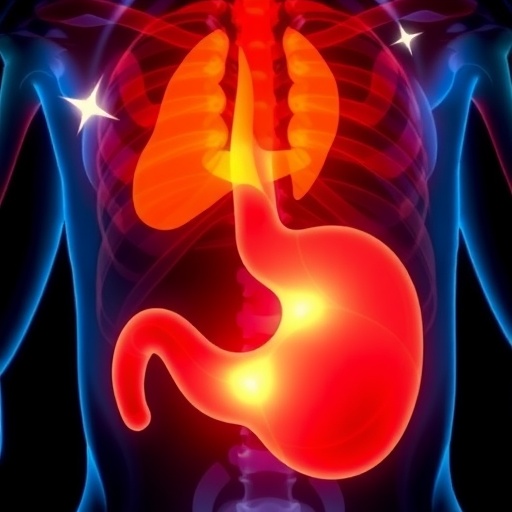
In the ever-evolving realm of anesthesiology and geriatric medicine, a new study protocol is set to challenge conventional sedation methods during painless gastroscopy procedures in elderly patients. The innovative research, recently published in BMC Geriatrics, details a randomized controlled trial exploring the combination of oliceridine with traditional propofol-etomidate sedation. This approach aims to optimize sedation efficacy while minimizing adverse reactions often encountered in geriatric outpatients, thereby enhancing patient safety and procedural comfort in a demographic notoriously vulnerable to sedation complications.
Painless gastroscopy, a diagnostic and potentially therapeutic procedure, is frequently performed in older adults to investigate gastrointestinal issues. Sedation is critical for patient comfort and procedural success; however, anesthesia in the geriatric population is fraught with challenges, including heightened sensitivity to sedatives and an increased risk of respiratory and cardiovascular complications. Propofol and etomidate are well-established agents commonly used in sedation due to their rapid onset and recovery profiles. Yet, both agents carry risks, including hypotension, respiratory depression, and adrenal suppression, which are especially pronounced in elderly patients.
Enter oliceridine, a novel opioid receptor agonist designed to provide the analgesic benefits of opioids with a reduced risk profile for respiratory depression and gastrointestinal side effects. Unlike traditional opioids that activate both G-protein and beta-arrestin pathways leading to side effects, oliceridine selectively engages the G-protein pathway, theoretically offering potent analgesia with fewer adverse reactions. This property makes it an attractive candidate for enhancing sedation regimens, particularly in vulnerable populations such as the elderly undergoing gastrointestinal endoscopy.
The forthcoming randomized controlled trial outlined in the study protocol aims to evaluate the safety, efficacy, and recovery profiles of sedation combining oliceridine with propofol-etomidate versus the traditional sedation methods alone. The research will enroll geriatric outpatients slated for painless gastroscopy to generate robust data regarding hemodynamic stability, respiratory parameters, sedation depth, recovery time, and patient satisfaction. Researchers anticipate that the adjunctive use of oliceridine will reduce the requirement for propofol and etomidate, thereby mitigating their dose-dependent side effects.
Sedation strategies in geriatric medicine continue to demand a delicate balance, given the patients’ often-limited physiological reserves. Cardiopulmonary instability, reduced hepatic and renal clearance, and polypharmacy are common aspects complicating anesthetic management. By refining sedation techniques to attenuate these risks, this trial could significantly influence clinical guidelines and best practices for endoscopic sedation, enhancing outcomes for a demographic that is rapidly expanding due to global aging trends.
The underlying pharmacodynamics of oliceridine’s selective receptor engagement could revolutionize perioperative analgesia and sedation. Differentiating from traditional opioids, oliceridine’s ability to circumvent beta-arrestin recruitment — implicated in opioid-related adverse effects like respiratory depression and constipation — may mark a paradigm shift. This molecular targeting could be leveraged not only in gastroscopic procedures but across a spectrum of interventions requiring sedation in complex populations.
Moreover, the inclusion of etomidate in the sedation cocktail brings along its unique anesthetic profile. Known for its cardiovascular stability, etomidate is favored for induction in patients at risk of hypotension. However, its dose-dependent suppression of adrenal steroidogenesis could raise concerns in elderly patients. By incorporating oliceridine, clinicians potentially can lower the required dosage of etomidate, thereby lessening its impact on the hypothalamic-pituitary-adrenal axis and reducing biochemical stress in older adults during procedures.
Clinical sedation practices demand constant reassessment in light of emerging evidence and pharmacotechnological advancements. This protocol embodies a forward-thinking approach integrating pharmacological innovation with clinical pragmatism aimed at tailoring sedation to patient-specific vulnerabilities. The complex interplay between sedative agents, patient comorbidities, and procedural variables underscores the necessity of such trials to generate evidence-based sedation pathways in geriatrics.
Technological enhancements in monitoring sedation depth and respiratory function are also intertwined with this research trajectory. Real-time feedback systems assessing sedation levels and respiratory status can synergize with optimized pharmacology to mitigate risks. The anticipated results from this trial may help inform the development of predictive models for individualized sedation dosing regimens, leveraging artificial intelligence and machine learning to refine anesthetic care further.
Patient-centered outcomes remain the cornerstone of this investigative effort. Beyond physiological metrics, the study’s emphasis on patient-reported comfort, incidence of nausea or vomiting, and post-procedural cognitive function highlights the holistic vision behind the trial. Older adults often experience prolonged cognitive recovery or delirium post-sedation; thus, strategies mitigating these sequelae are paramount for preserving quality of life and reducing healthcare burden.
The implications of incorporating oliceridine with propofol-etomidate sedation extend to healthcare economics as well. By potentially reducing adverse events, shortening recovery room durations, and enhancing overall procedural efficiency, this combined sedation approach could lead to meaningful cost savings. In an era where healthcare systems grapple with cost containment alongside quality improvement, such innovations are welcomed.
Additionally, the trial’s design reflects rigorous methodological standards, including robust randomization, blinding procedures, and defined endpoints, essential for generating high-quality data. The multicenter nature of the study adds generalizability, allowing findings to resonate across diverse clinical settings, thus bolstering the applicability of the results to routine clinical practice.
The research team, led by Xu, Gao, Meng, and colleagues, pioneers a comprehensive evaluation that may prompt reconsideration of opioid and sedative combinations in geriatric sedation. Their collaborative expertise straddles anesthesiology, gerontology, and pharmacology, providing a multidisciplinary perspective necessary for addressing the intricate challenges of sedation in elderly outpatients.
In conclusion, this upcoming trial investigating the combination of oliceridine with propofol-etomidate sedation represents a significant stride towards enhancing the safety and efficacy of painless gastroscopy in geriatric patients. By leveraging novel pharmacological agents and meticulous clinical study design, this research could set new standards in sedation care, improving patient outcomes, procedural success, and healthcare resource utilization. The trial’s outcomes may pave the way for broader applications of oliceridine-enhanced sedation protocols, redefining perioperative management in vulnerable populations worldwide.
Cite Scienmag News
Beatrice Stafford. (May 30, 2026). Oliceridine and Propofol-Etomidate in Geriatric Gastroscopy. Scienmag. https://scienmag.com/oliceridine-and-propofol-etomidate-in-geriatric-gastroscopy/
Beatrice Stafford. "Oliceridine and Propofol-Etomidate in Geriatric Gastroscopy." Scienmag, 30 May 2026, https://scienmag.com/oliceridine-and-propofol-etomidate-in-geriatric-gastroscopy/. Accessed 3 September 2026.
Beatrice Stafford. "Oliceridine and Propofol-Etomidate in Geriatric Gastroscopy." Scienmag. May 30, 2026. https://scienmag.com/oliceridine-and-propofol-etomidate-in-geriatric-gastroscopy/


