


ARDD 2026 to Bring Aging Biology, Drug Discovery and Global Investment Together at Harvard
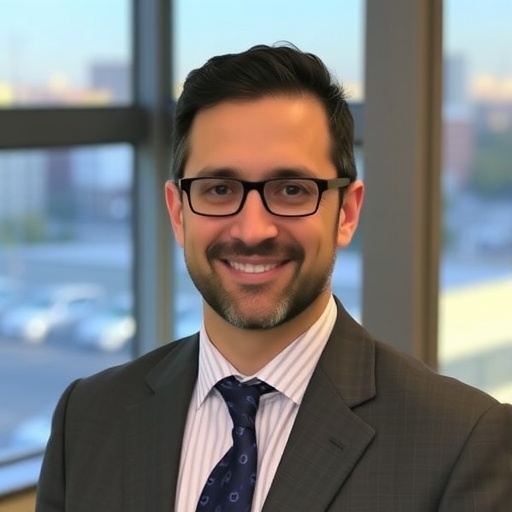
BOSTON, Massachusetts—August 14, 2026—Alfredo Viegas, managing director of Emerging Markets Equity at Oaktree Capital, will be a featured speaker at the 13th Aging Research & Drug Discovery Meeting, known as ARDD 2026, organizers announced. The meeting will take place from October 1 to 3 at the David Rubenstein Treehouse at Harvard University, bringing together scientists, clinicians, biotechnology executives, pharmaceutical companies, entrepreneurs and institutional investors at a moment when aging research is rapidly moving from academic theory toward therapeutic development. The announcement reflects the growing financial and scientific importance of longevity biotechnology, a field focused not simply on extending lifespan but on delaying, preventing or treating the biological processes that drive multiple age-related diseases.
A central idea in modern geroscience is that aging is not a single disease, but a complex biological state that increases vulnerability to many disorders, including cancer, cardiovascular disease, neurodegeneration, diabetes and frailty. Researchers study interconnected mechanisms often described as the hallmarks of aging, including genomic instability, epigenetic alterations, mitochondrial dysfunction, cellular senescence, chronic inflammation, impaired proteostasis and the exhaustion of stem-cell reserves. If these mechanisms can be modified safely, one intervention could potentially influence several diseases simultaneously. That possibility has attracted unprecedented interest from drug developers and investors, while also raising difficult questions about clinical trial design, regulatory pathways, biomarkers and the distinction between extending life and extending healthy, functional years.
“ The biology of aging has become one of the most promising frontiers in biomedical science,” said Vadim Gladyshev, executive chair of ARDD and professor of medicine at Harvard University. He emphasized that the field must move beyond understanding aging biology to translating fundamental discoveries into interventions that improve healthspan. In practical terms, this translation requires researchers to identify molecular targets, establish causal links between those targets and disease, develop compounds that can alter the relevant pathways, and demonstrate meaningful benefits in humans. It also requires collaboration between disciplines that have traditionally operated separately, including molecular biology, clinical medicine, computational science, pharmaceutical development and health economics.
ARDD 2026 is designed to serve as a meeting point for those communities. The conference will feature academic researchers and clinical investigators alongside leaders from ten of the world’s major pharmaceutical companies, according to the organizers. Their discussions are expected to address how discoveries made in model organisms can be converted into human therapies, how biological age can be measured, and which endpoints should be used in trials of potential gerotherapeutics. Chronological age alone is a blunt measure of biological decline. Scientists are therefore developing molecular and physiological indicators, including DNA-methylation patterns, inflammatory profiles, immune function, physical performance, organ-specific measures and combinations of blood-based biomarkers. The challenge is determining which markers genuinely predict disease or functional decline and which merely correlate with aging without being useful treatment targets.
The meeting’s program also comes as the longevity sector develops increasingly sophisticated therapeutic strategies. Senolytic drugs, for example, are designed to eliminate senescent cells that have stopped dividing but remain metabolically active and release inflammatory signals known as the senescence-associated secretory phenotype. Other approaches seek to improve mitochondrial quality control, restore proteostasis, modulate nutrient-sensing pathways such as mTOR and AMPK, enhance autophagy, repair DNA damage or rejuvenate immune and stem-cell function. These strategies are scientifically distinct and may require different dosing schedules, safety assessments and clinical endpoints. A compound that improves one aspect of aging biology may not automatically produce longer survival or better health, making rigorous translational testing essential.
Morten Scheibye-Knudsen, co-chair of ARDD and associate professor at the University of Copenhagen, said the conference’s move to Boston represents a new chapter for the event. Boston and the broader Cambridge biomedical ecosystem host major universities, hospitals, biotechnology companies, pharmaceutical research centers and venture investors. That concentration creates opportunities for collaborations extending beyond conference presentations, including partnerships for target validation, drug screening, biomarker development and clinical trials. Scheibye-Knudsen said ARDD 2026 would place especially strong emphasis on translating scientific discoveries into medicines, reflecting what organizers describe as the increasing maturity of the longevity field.
Insilico Medicine is officially organizing the 2026 meeting, with Insilico Medicine and Eli Lilly serving as Tier 1 sponsors. The McKinsey Health Institute will participate as the sole knowledge partner. Additional sponsors listed by the organizers include AbbVie, AniVC, AstraZeneca, BioAge Labs, Biocytogen, Cambrian Bio, Cyclarity Therapeutics, Dior, GlycanAge, Gordian Biotechnology, Human Longevity, the Institute for Healthier Living Abu Dhabi, LongeVC, Maxwell Biosciences, Nestlé, Tally Health and TruDiagnostic. Synaro Capital, The Cat Health Company and PranaGen Bioscience are supporting the conference as Tier 4 sponsors, while Estée Lauder, Morgan Stanley, the Intrinsic Capacity Frailty & Sarcopenia Research Conference for Healthy Longevity and QuadraScope are identified as Tier 5 sponsors. The breadth of this list illustrates how aging biology now intersects with pharmaceuticals, diagnostics, consumer health, finance and technology.
Alex Zhavoronkov, co-chair of ARDD and chief executive officer of Insilico Medicine, described the meeting as a platform for dialogue among academia, pharmaceutical companies, startups and investors. Insilico has become known for applying artificial intelligence to drug discovery, including target identification, molecular design and the prioritization of compounds for experimental testing. AI systems can analyze large biological datasets, search chemical space and propose molecules with desired properties, but their predictions still require laboratory validation, animal studies and carefully controlled human trials. In longevity research, computational tools may help integrate multi-omics data—such as genomics, transcriptomics, proteomics and metabolomics—but the underlying biology remains highly interconnected. A statistically strong association is not necessarily a druggable cause, and a promising molecule must also demonstrate appropriate pharmacology, selectivity, manufacturability and safety.
The financial dimension of the meeting is particularly significant because longevity biotechnology is entering a period of heightened scrutiny. Investors are increasingly evaluating whether companies can produce conventional medical products with clear indications rather than relying solely on the broad promise of lifespan extension. Regulatory agencies generally approve treatments for defined diseases or conditions, which means developers may initially pursue indications such as frailty, fibrosis, osteoarthritis, metabolic disease or neurodegeneration. Demonstrating efficacy in these areas could provide a practical route toward therapies that also influence the broader biology of aging. Viegas’s participation, representing Oaktree Capital’s emerging-markets equity platform, adds an investment perspective to debates about capital allocation, global healthcare markets and the economic consequences of longer, healthier lives.
The Nordic Aging Society, a nonprofit scientific organization focused on aging biology and collaboration across the Nordic region and beyond, is supporting ARDD. Now in its 13th year, the meeting aims to accelerate the movement of aging research into practical research-and-development programs and therapeutic pipelines. Its Boston gathering will take place against a backdrop of growing evidence that age-related decline may be modifiable, but also of continuing uncertainty about which interventions will deliver durable benefits in humans. The scientific importance of ARDD 2026 will therefore extend beyond the announcements made on stage: it will help test whether the field can unite mechanistic biology, clinical evidence, pharmaceutical expertise and investment discipline into a coherent strategy for extending healthy human life.
News Publication Date: August 14, 2026
Web References: https://agingpharma.org
Cite Scienmag News
Beatrice Stafford. (August 14, 2026). Oaktree Capital’s Alfredo Viegas to Present at 13th ARDD Meeting in Boston. Scienmag. https://scienmag.com/oaktree-capitals-alfredo-viegas-to-present-at-13th-ardd-meeting-in-boston/
Beatrice Stafford. "Oaktree Capital’s Alfredo Viegas to Present at 13th ARDD Meeting in Boston." Scienmag, 14 August 2026, https://scienmag.com/oaktree-capitals-alfredo-viegas-to-present-at-13th-ardd-meeting-in-boston/. Accessed 3 September 2026.
Beatrice Stafford. "Oaktree Capital’s Alfredo Viegas to Present at 13th ARDD Meeting in Boston." Scienmag. August 14, 2026. https://scienmag.com/oaktree-capitals-alfredo-viegas-to-present-at-13th-ardd-meeting-in-boston/


