


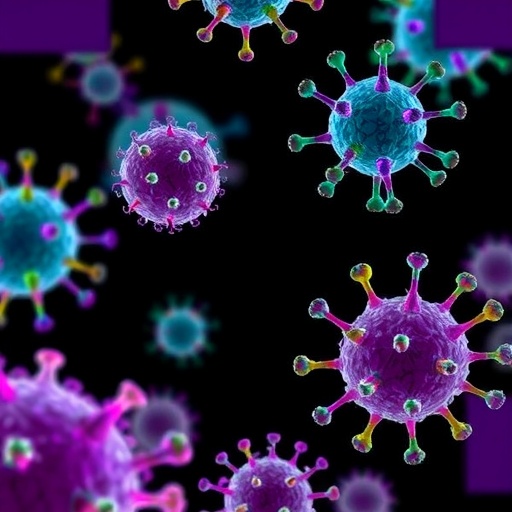
In a groundbreaking study published in the Journal of Pharmaceutical Investigations, researchers, led by Kil, Y.C., have unveiled a novel approach to cancer treatment utilizing a combination of traditional chemotherapy and immune therapy. The focus of this study revolves around the synergistic effects of doxorubicin, a well-known chemotherapeutic agent, and viral epitope-loaded Pluronic nanoparticles. This innovative therapy aims to enhance the efficacy of cancer treatments while mitigating adverse side effects, demonstrating potential advancements in oncology.
The administration of doxorubicin as a standalone treatment often encounters significant limitations due to its associated toxicity and the development of drug resistance among cancer cells. Current therapeutic strategies are increasingly scrutinized for their effectiveness, revealing the necessity for alternative approaches. The combination of immune responses with conventional therapies has emerged as a promising avenue. The introduction of Pluronic nanoparticles as carriers enhances the delivery mechanism of doxorubicin, ensuring targeted action against tumor cells, thus potentially increasing therapeutic efficacy.
Pluronic nanoparticles serve a dual purpose within this theranostic framework; they not only encapsulate doxorubicin but also present viral epitopes to stimulate an immune response. This process utilizes the body’s natural defenses, encouraging an immune-mediated attack on tumor cells. The viral epitopes included in these nanoparticles play a crucial role in activating T-cells, effectively bridging the gap between chemotherapy and immunotherapy. This harnessing of the immune system could lead to long-lasting remissions in patients who typically do not respond well to current treatments.
The encapsulation of doxorubicin within Pluronic nanoparticles enhances drug solubility and stability, addressing the bioavailability issues often encountered in cancer pharmacotherapy. Moreover, these nanoparticles can be engineered to release their payload in a controlled manner triggered by the tumor microenvironment. This strategic release mechanism maximizes drug exposure to cancerous tissues while sparing healthy cells, thereby minimizing systemic toxicity. The precision of this drug delivery system significantly improves the therapeutic index of doxorubicin.
In preclinical studies, the immune-chemo combination therapy demonstrated a marked reduction in tumor growth compared to standard chemotherapy. The data highlighted the significance of activating the immune system in conjunction with chemotherapeutic agents for optimal anti-cancer efficacy. This demonstrates encouraging preliminary evidence supporting the viability of this combination approach. The collaborative engagement of the immune system not only targets existing tumor cells but also positions the body to recognize and eliminate potential metastatic cells, thereby reducing recurrence rates.
Additionally, the study delves into the safety profile of the combined therapy, revealing no significant increase in toxicity compared to traditional chemotherapy protocols. This finding is critical, as one of the primary concerns among oncologists and patients alike is the debilitating side effects associated with chemotherapeutics. The formulation of viral epitope-laden nanoparticles could thus represent a paradigm shift, offering a well-tolerated yet effective treatment alternative for patients with various types of cancers.
The advancements highlighted in this research could pave the way for future clinical trials assessing the effectiveness of immune-chemo combination therapy in various cancer types. The ultimate aim is to provide a tailored therapeutic approach that could adapt to individual patient profiles and tumor characteristics. This personalized medicine strategy, coupled with enhanced drug delivery systems, may significantly improve patient outcomes and quality of life.
The potential for broader implications of this therapy extends beyond cancer treatment. The principles embedded in the use of Pluronic nanoparticles and immune stimulation could be adapted for other diseases requiring potent pharmacological interventions. The innovative synergy between chemotherapeutics and immune modulation suggests a flexible platform that could be repurposed for vaccine development or therapies aimed at chronic infectious diseases.
Moreover, as researchers continue to explore the mechanistic pathways involved in the immune response elicited by these therapeutic nanoparticles, a deeper understanding of immune evasion mechanisms in tumors may emerge. With comprehensive knowledge, scientists can develop more effective strategies to overcome resistance and elicit robust immune responses against malignancies.
While the study leads the way for potential advancements in cancer immunotherapy, challenges remain. The complexity of individual patient responses necessitates continuous exploration into patient-specific applications of this therapy. Researchers also emphasize the importance of regulatory pathways to ensure these innovative treatments undergo rigorous safety and efficacy evaluations before becoming widely adopted in clinical practice.
In conclusion, the research conducted by Kil, Y.C. and colleagues marks a significant step forward in cancer treatment modalities, offering a promising approach that integrates immune activation through viral epitope Pluronic nanoparticles with conventional chemotherapy. This research not only highlights the importance of interdisciplinary collaboration but also underscores the future potential of personalized cancer therapies, which can lead to improved survival rates and enhanced patient well-being.
This innovative study signifies a critical advancement in cancer therapeutics, offering hope for new strategies that harness both the body’s immune defenses and innovative drug delivery technologies. As the landscape of cancer therapy continues to evolve, the integration of immune and chemotherapeutic modalities may indeed redefine treatment paradigms, ultimately improving oncological patient care and outcomes.
Cite Scienmag News
Nathaniel Bowman. (November 7, 2025). Novel Doxorubicin/Pluronic Nanoparticles Boost Immune-Chemo Therapy. Scienmag. https://scienmag.com/novel-doxorubicin-pluronic-nanoparticles-boost-immune-chemo-therapy/
Nathaniel Bowman. "Novel Doxorubicin/Pluronic Nanoparticles Boost Immune-Chemo Therapy." Scienmag, 7 November 2025, https://scienmag.com/novel-doxorubicin-pluronic-nanoparticles-boost-immune-chemo-therapy/. Accessed 6 September 2026.
Nathaniel Bowman. "Novel Doxorubicin/Pluronic Nanoparticles Boost Immune-Chemo Therapy." Scienmag. November 7, 2025. https://scienmag.com/novel-doxorubicin-pluronic-nanoparticles-boost-immune-chemo-therapy/


