


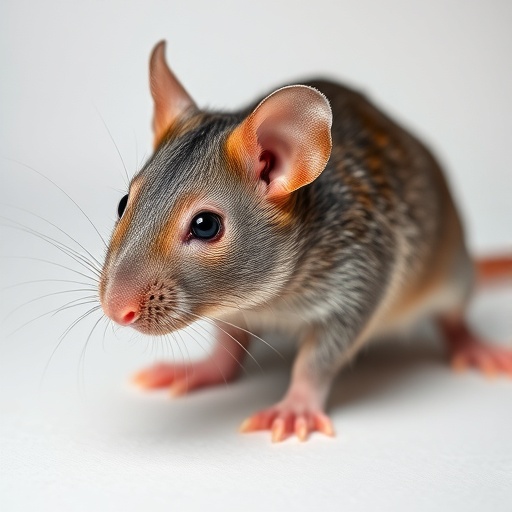
Recent studies have unveiled alarming insights into the cytotoxic and genotoxic effects of nickel chloride exposure on the intestinal tissues of rats. This research, published in the Environmental Science and Pollution Research journal, delves deeply into the biochemical and histological consequences of nickel chloride exposures, which often go unnoticed in the environmental discussions surrounding toxic metals. The primary findings suggest a substantial increase in reactive oxygen species (ROS) production, which plays a pivotal role in inducing cellular damage and genetic instability within the intestinal environment.
Nickel chloride, a prevalent industrial chemical, is frequently released into the environment as a byproduct of mining and manufacturing processes. Its reactivity and ability to form complexes with biological molecules pose substantial threats to living organisms, especially humans who may come into contact with contaminated water and food sources. The study presents compelling evidence linking nickel chloride exposure to oxidative stress, a condition marked by an unequal balance between free radicals and antioxidants in the body. This oxidative stress is posited as a primary mechanism through which nickel chloride exerts its toxic effects.
The experimental design utilized in the study emphasizes the meticulous approach taken to investigate the biochemical pathways affected by nickel chloride. Rats exposed to varying concentrations of nickel chloride for specific durations exhibited a significant increase in markers indicative of oxidative damage. The research team monitored levels of malondialdehyde, a byproduct of lipid peroxidation, which escalated in tandem with the concentration of nickel chloride administered. This correlation underscores the relentless damage inflicted at the cellular level, potentially leading to severe health implications.
Histological examinations further revealed the extent of damage nickel chloride inflicts on the intestinal architecture. Microscopic analyses indicated significant alterations in the morphology of intestinal tissues, including villous atrophy, crypt elongation, and cellular degeneration. Such histological changes might compromise the absorptive capacity of the intestines and disrupt their functional roles, prompting severe gastrointestinal disturbances. This destruction of normal tissue architecture could have far-reaching effects on nutrient absorption and overall health.
The team also explored the potential mechanisms by which nickel chloride induces oxidative stress. They identified several pathways likely involved, including activation of nuclear factor kappa B (NF-kB) and increased expression of pro-inflammatory cytokines. These findings suggest a conflation of toxic stress and inflammatory responses, further complicating the biological repercussions of nickel exposure. Inflammation is known to perpetuate cellular damage, creating a vicious cycle of injury and impairment in intestinal health.
A critical aspect of the findings is the relationship between nickel chloride exposure and genetic integrity. The study presented substantial evidence indicating an increase in DNA damage in the intestinal cells of rats subjected to nickel chloride. The comet assay, a sensitive method for detecting DNA strand breaks, demonstrated a pronounced increase in DNA fragmentation correlating with the concentration of nickel chloride administered. Such genetic insults are alarming as they may predispose cells to oncogenic transformations, raising considerable concerns about the long-term effects of environmental nickel exposure.
Furthermore, examining the role of antioxidants in countering nickel chloride-induced toxicity provides an essential dimension to the research. The authors highlight the potential of naturally occurring antioxidants to mitigate oxidative damage. For instance, administering certain vitamins or bioactive compounds was found to reduce oxidative stress markers, suggesting therapeutic avenues for individuals exposed to harmful nickel levels. This insight emphasizes the importance of nutritional interventions in toxicological outcomes and hints at strategies for alleviating risks associated with heavy metal exposure.
Interestingly, beyond the immediate findings, the research sparks discussions on public health implications, urging the need for heightened awareness regarding nickel exposure from various sources, including industrial emissions and contaminated water supplies. It also emphasizes the importance of regulatory measures to limit environmental nickel, showcasing the responsibility of both governmental and industrial entities in managing toxic metal exposure adequately.
The intricate connection between environmental toxins and human health is underscored in this study. It serves as a compelling reminder of the vulnerability of biological systems to seemingly small levels of contaminants over extended periods. The authors argue that ongoing monitoring and more rigorous testing should become standard practices, particularly in areas with known nickel mining activities or industrial processes that utilize this metal.
As we navigate a world increasingly fraught with pollutants, this study reaffirms the necessity of understanding the multifaceted impacts of heavy metals like nickel chloride. Researchers highlight the importance of not only elucidating the direct toxicological effects but also exploring potential avenues for remediation and prevention. Ultimately, maintaining a keen awareness of the dangers posed by nickel and reinforcing the need for protective measures will be vital in safeguarding public health.
In conclusion, the findings from this extensive study mark a significant contribution to our understanding of the biochemical and histological impacts of nickel chloride exposure. As the conversation around environmental health continues to evolve, this research provides vital insights into the mechanisms of toxicity and underscores the ongoing need for vigilance against heavy metal exposure. Continued efforts in research and policy development are essential to ensure that the health of both humans and the environment remains protected from the adverse effects of industrial contaminants.
Sharma, M., Qasim, N., Khan, A.A. et al. Nickel chloride-induced ROS cause cyto- and geno-toxicity in rat intestine: a biochemical and histological study. Environ Sci Pollut Res (2025). https://doi.org/10.1007/s11356-025-36981-5
Cite Scienmag News
Violet Maxwell. (September 26, 2025). Nickel Chloride Triggers Toxicity in Rat Intestines. Scienmag. https://scienmag.com/nickel-chloride-triggers-toxicity-in-rat-intestines/
Violet Maxwell. "Nickel Chloride Triggers Toxicity in Rat Intestines." Scienmag, 26 September 2025, https://scienmag.com/nickel-chloride-triggers-toxicity-in-rat-intestines/. Accessed 5 September 2026.
Violet Maxwell. "Nickel Chloride Triggers Toxicity in Rat Intestines." Scienmag. September 26, 2025. https://scienmag.com/nickel-chloride-triggers-toxicity-in-rat-intestines/


