


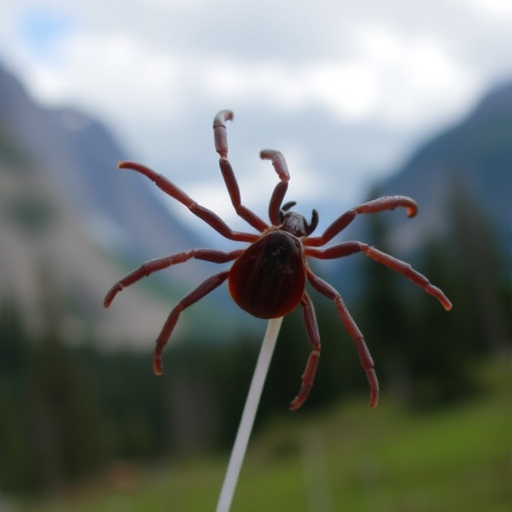
As Lyme disease cases surge across Canada, another tick-borne threat demands attention: anaplasmosis. This bacterial infection, transmitted primarily through blacklegged ticks (Ixodes scapularis), ranks as the nation’s second most prevalent tick-borne illness. Recent clinical observations underscore the need for heightened vigilance among healthcare providers, as anaplasmosis can precipitate severe complications including myocarditis—an inflammation of the heart muscle rarely associated with this infection.
A clinical case from eastern Ontario brings this concern into sharp focus. A 79-year-old immunosuppressed male patient presented to a rural hospital exhibiting nonspecific symptoms: fever, fatigue, chills, and weakness. Despite having no recollection of tick bites or prior Lyme disease, his occupational exposure in wooded environments raised suspicion for a tick-borne illness. Physicians responded by conducting a comprehensive infectious workup including peripheral blood smear analysis and polymerase chain reaction (PCR) testing targeting Anaplasma phagocytophilum DNA.
PCR confirmed the diagnosis of anaplasmosis, prompting initiation of doxycycline therapy—a tetracycline antibiotic with efficacy not only against Anaplasma but also potential co-infections such as Borrelia burgdorferi, the causative agent of Lyme disease. Throughout his hospital stay, the patient developed myocarditis, a rare but documented complication linked to anaplasmosis. After completing a 14-day doxycycline course, the patient was discharged in stable condition and achieved complete clinical resolution with normalized cardiac function by four months post-treatment.
Clinicians face diagnostic challenges given anaplasmosis’s often indistinct presentation, commonly characterized by fever, headache, generalized weakness, and gastrointestinal symptoms. Furthermore, a significant proportion of tick-exposed patients fail to recall tick bites, complicating history-taking and risk assessment. This necessitates a high index of suspicion in endemic regions and underscores the importance of thorough patient interviews regarding potential tick exposure, presence of deer or domestic pets, and use of tick prevention strategies such as DEET application and protective clothing.
The expansion of blacklegged tick populations into new Canadian provinces, including Quebec and Manitoba beyond their established presence in Ontario, raises public health concerns. The emergence of anaplasmosis alongside Lyme disease calls for updated clinical awareness and prompt empiric antimicrobial intervention. The cited case exemplifies best practices: early recognition, confirmatory molecular diagnostics, and timely initiation of doxycycline therapy correlate strongly with positive outcomes, even amidst complications like myocarditis.
As tick-borne diseases advance geographically due to ecological shifts and climate change, ongoing surveillance and research remain essential. Healthcare practitioners are urged to integrate tick-borne illness considerations into differential diagnoses for febrile patients from endemic areas promptly. The dual threat of anaplasmosis and Lyme disease represents a growing challenge for Canadian public health, emphasizing prevention, early detection, and effective treatment to mitigate morbidity.
Cite Scienmag News
Ophelia Keating. (July 13, 2026). New Tick-Borne Threat: Anaplasmosis Spreads in Canada. Scienmag. https://scienmag.com/new-tick-borne-threat-anaplasmosis-spreads-in-canada/
Ophelia Keating. "New Tick-Borne Threat: Anaplasmosis Spreads in Canada." Scienmag, 13 July 2026, https://scienmag.com/new-tick-borne-threat-anaplasmosis-spreads-in-canada/. Accessed 6 September 2026.
Ophelia Keating. "New Tick-Borne Threat: Anaplasmosis Spreads in Canada." Scienmag. July 13, 2026. https://scienmag.com/new-tick-borne-threat-anaplasmosis-spreads-in-canada/


