

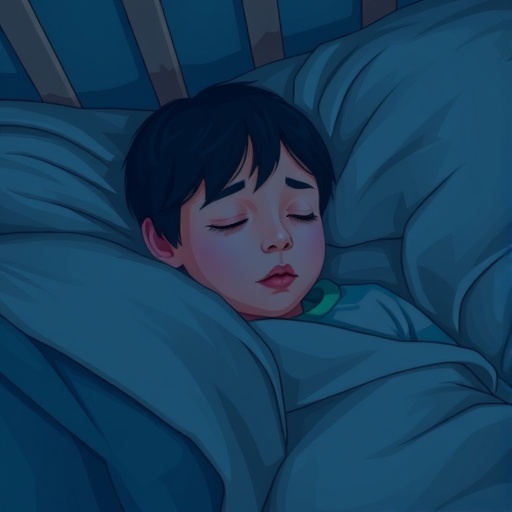
In a groundbreaking study published in the esteemed journal Frontiers in Sleep, researchers from the University of Oklahoma and the University of Tulsa have introduced a novel framework to understand and treat chronic nightmares in children and adolescents. The study, spearheaded by child and adolescent psychiatrist Tara Buck, M.D., alongside psychologist Lisa Cromer, Ph.D., offers a much-needed paradigm shift in how clinicians approach persistent nightmares, moving beyond symptom-focused strategies to encompass a more comprehensive, mastery-based cognitive-behavioral model. This innovative framework, termed the DARC-NESS model, aims to unravel the complexities that maintain nightmares over time and to empower youth with the tools necessary to reclaim restful sleep and mental well-being.
Nightmares during childhood, especially when chronic, represent a significant clinical challenge. Unlike transient bad dreams, chronic nightmares can disrupt sleep quality and contribute to daytime impairments in behavior, mood, and cognitive function. Traditionally, treatment approaches often centered on addressing the content of the nightmare itself or underlying trauma. However, these methods frequently fall short for many children whose nightmares persist despite therapeutic interventions or whose symptoms exist without identifiable trauma histories. The DARC-NESS model redefines the clinical landscape by conceptualizing nightmare persistence as a dynamic interplay of psychological and behavioral mechanisms embedded within a child’s nightly experience and response patterns.
At the core of the DARC-NESS model lies the concept of “nightmare efficacy,” which emphasizes a child’s learned ability to exert control over nightmares and their sleep environment. This mastery approach diverges from previous treatment paradigms by focusing not solely on nightmare content but on how children interpret and respond to their experiences. Dr. Cromer highlights that it is the child’s reaction to nightmares that perpetuates the cycle, suggesting that interventions should target transformational changes in cognition and behavior surrounding sleep and anxiety, rather than attempting to directly erase nightmare imagery.
The model encapsulates various factors that contribute to nightmare maintenance, including dysfunctional appraisals of nightmares, anticipatory anxiety about bedtime, heightened distress during sleep initiation, and maladaptive coping behaviors upon awakening. By employing this multidimensional lens, clinicians can tailor therapy to the unique profile of each child, creating personalized treatment protocols that address specific vulnerabilities rather than applying generic, uniform interventions. This tailored approach not only enhances therapeutic efficacy but also enhances engagement and adherence by involving children and families in the collaborative development of their care strategy.
One cornerstone of DARC-NESS-informed therapy is the integration of exposure-based techniques that allow children to confront and reframe nightmare content actively. These techniques include narrating, writing, or drawing about the nightmare followed by guided re-scripting exercises. Through this process, children are able to desensitize themselves to nightmare-related fear and gradually shift narrative control, transforming distressing dream content into less threatening or more empowering scenarios. Such exposure and cognitive restructuring mechanisms align with well-established efficacious treatments for anxiety disorders and post-traumatic stress but are innovatively adapted here for pediatric nightmare treatment.
Dr. Buck elaborates on the clinical significance of fostering self-efficacy. The model’s ability to bolster confidence in children’s control over their nightmares acts as a linchpin not only for reducing nightmare frequency and intensity but also for broader psychological and functional outcomes. Improved sleep-restoration processes reverberate into increased daytime energy, better school attendance, and observable behavioral improvements as reported by parents. This systemic benefit underscores the profound impact that effective nightmare management can have on a child’s overall quality of life.
Another key insight offered by the DARC-NESS model is the differentiation between sleep anxieties related to insomnia and those related to nightmares. Whereas insomnia involves fear or frustration over the inability to fall asleep, for children plagued by recurring nightmares, the core fear is paradoxically the act of going to sleep itself. This anxiety produces a heightened state of arousal that further disrupts sleep onset and continuity, feeding into the vicious cycle of chronic nightmares. Addressing this nuanced fear requires refined clinical assessment and intervention strategies embedded within the model’s personalized treatment architecture.
This research not only highlights the need for targeted nightmare interventions but also calls for broader clinical education and awareness since many healthcare providers historically dismissed nightmares as untreatable or secondary symptoms. By establishing a mechanistically grounded model, the study offers a tangible, evidence-informed pathway for clinicians across disciplines—including pediatricians, therapists, and sleep specialists—to implement robust, empirically validated treatments for nightmare disorders in youth.
The DARC-NESS model was developed through an observational study design and is supported by rigorous psychological theory and clinical insights. It emerged from interdisciplinary collaboration and was supported by the Oklahoma Center for the Advancement of Science and Technology, emphasizing the importance of regional research investment in addressing pressing pediatric mental health challenges.
In summary, this pioneering work reshapes the clinical conversation surrounding pediatric nightmares. It introduces a transformative mastery-based cognitive-behavioral framework that holds promise for reducing the burden of nightmares, improving sleep quality, and enhancing overall child development trajectories. By focusing on controllable intervention points within a child’s nightmare experience, the DARC-NESS model invites clinicians and families alike into an empowering process of recovery and resilience-building against a historically neglected domain of childhood distress.
As sleep research continues to unravel the complex interactions between mental health and restorative rest, the introduction of DARC-NESS establishes a vital foundation for future studies and clinical practice innovations. Unlocking the mastery over nightmares may well represent a critical advancement in pediatric sleep medicine that promises to reverberate deeply across psychological, developmental, and societal dimensions.
Subject of Research: People
Article Title: DARC-NESS: a mastery-based cognitive-behavioral model for treating chronic nightmares in youth
News Publication Date: 26-Feb-2026
Web References: https://doi.org/10.3389/frsle.2026.1772987
References:
“DARC-NESS: a mastery-based cognitive-behavioral model for treating chronic nightmares in youth,” Frontiers in Sleep, 26-Feb-2026.
Image Credits: University of Oklahoma
Keywords: Dreams, Children, Mental health, Pediatrics, Sleep disorders


