


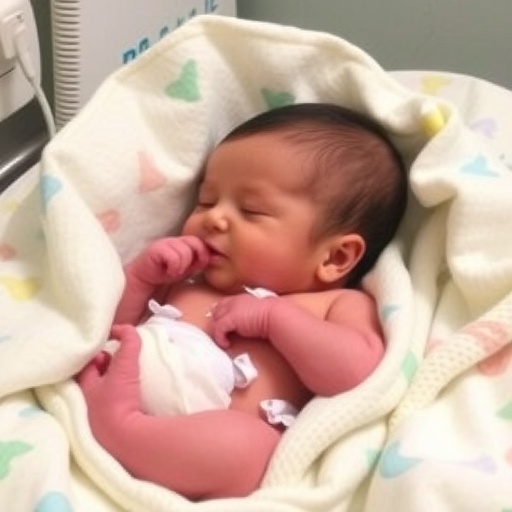
A groundbreaking study has recently revolutionized the approach to feeding preterm infants born between eight and ten weeks early. Traditionally, these vulnerable babies have been dependent on intravenous nutrition delivered through a drip, a practice necessitated by their physiological immaturity which renders direct feeding impossible. The FEED1 trial, a large-scale randomized controlled study, has challenged this paradigm, demonstrating that full enteral feeding—delivering milk directly into the stomach via a feeding tube—can be safely initiated immediately after birth without increasing health risks.
Historically, neonatologists have exercised caution when feeding very preterm infants due to the feared complication of Necrotising Enterocolitis (NEC), a devastating inflammatory bowel disease that predominantly affects premature babies. This concern has fostered a cautious, gradual introduction of milk feeds alongside intravenous nutrition to mitigate the risk. However, murmurings in recent academic circles suggested that early full enteral feeding might be both safe and beneficial in stable preterm infants. The FEED1 trial was designed to rigorously test this hypothesis with robust clinical evidence.
The FEED1 trial enrolled 2,088 premature infants from 46 NHS hospitals across the United Kingdom over a five-year period, between 2019 and 2024. Participants were randomly allocated into two groups: one received full milk feeds via an enteral tube starting from day one, while the control group was gradually fed, supplemented with intravenous nutrition through parenteral routes. This innovative multicenter, open-label, parallel-group design allowed an unprecedented scale of controlled observation, addressing prior uncertainties around the safety and efficacy of early full enteral feeding in this population.
Analysis of the cumulative data revealed compelling outcomes. Infants fed exclusively through the enteral route from birth required fewer invasive medical procedures, as intravenous lines—a source of discomfort and risk—were significantly reduced or avoided altogether. Moreover, while the average hospital stay remained similar between groups at approximately 30 to 35 days, those in the early full feeding cohort experienced markedly less time in intensive care settings. Critically, the incidence of NEC, hypoglycemia, and infections did not increase, providing strong evidence for the safety of this approach.
Neonatal experts, including Professor Shalini Ojha of the University of Nottingham and the University Hospitals of Derby and Burton NHS Foundation Trust, emphasize the clinical and emotional benefits elicited by these findings. Avoiding intravenous lines not only mitigates physiological stress but also fosters an environment more conducive to establishing breastfeeding and parental involvement. This aligns with evolving neonatal care philosophies that prioritize family-centered care and aim to minimize painful interventions in vulnerable neonates to enhance long-term developmental outcomes.
Additional endorsement for the FEED1 trial comes from Bliss, the UK’s leading charity for premature and sick infants, which highlights the potential for these findings to reshape neonatal feeding protocols nationally. The charity’s representatives underscore that fewer medical interventions translate into improved quality of life trajectories for both infants and their families during profoundly challenging neonatal intensive care unit (NICU) stays.
A detailed examination of the trial’s methodology affirms its robustness. The randomization process effectively balanced potential confounders across the cohorts, while the open-label design was appropriate given the nature of the intervention, which precluded blinding. Data were meticulously gathered and analyzed to ensure the integrity of safety monitoring, particularly concerning serious complications such as NEC—a crucial endpoint for preterm feeding studies.
Clinical implications of this research could be transformative. Shifting to early full milk feeds in stable preterm infants may decrease dependence on specialized intensive care resources, freeing up valuable NICU capacity without compromising safety. Furthermore, by potentially shortening the length of intensive care admissions, healthcare systems might see cost savings alongside enhanced clinical outcomes, a dual benefit in the resource-constrained landscape of neonatal care.
The trial also casts new light on the physiology of preterm digestive systems. By successfully tolerating full enteral feeds from birth, these infants demonstrate a greater degree of gastrointestinal maturity and resilience than previously assumed. Understanding the mechanisms enabling this tolerance may spur additional research into gut development and microbiota colonization during this critical period, with implications that extend beyond nutrition to immunological and neurodevelopmental domains.
Parent testimonials from the trial provide poignant reminders of the human side of neonatal research. Families participating reported that involvement in the trial offered not only hope but also tangible benefits during their NICU experience. These narratives highlight the importance of integrating family perspectives into clinical research, ensuring that innovations translate into meaningful improvements in care delivery and emotional support.
In conclusion, the FEED1 trial marks a pivotal advance in neonatal medicine, demonstrating that full enteral feeding from day one is a safe, effective alternative to gradual feeding supplemented with intravenous nutrition for preterm infants born between 28 and 32 weeks gestation. This evidence stands poised to alter clinical guidelines, reduce the burden of painful interventions, and ultimately improve the early life experience and outcomes of premature infants across healthcare settings globally.
News Publication Date: 17-Oct-2025
Web References:
References:
- FEED1 trial publication, The Lancet Child & Adolescent Health, DOI: 10.1016/S2352-4642(25)00304-9
Cite Scienmag News
Daisy Hatcher. (October 21, 2025). New Study Finds Babies Born 8-10 Weeks Premature Can Safely Be Milk Fed Without Gut Complications. Scienmag. https://scienmag.com/new-study-finds-babies-born-8-10-weeks-premature-can-safely-be-milk-fed-without-gut-complications/
Daisy Hatcher. "New Study Finds Babies Born 8-10 Weeks Premature Can Safely Be Milk Fed Without Gut Complications." Scienmag, 21 October 2025, https://scienmag.com/new-study-finds-babies-born-8-10-weeks-premature-can-safely-be-milk-fed-without-gut-complications/. Accessed 4 September 2026.
Daisy Hatcher. "New Study Finds Babies Born 8-10 Weeks Premature Can Safely Be Milk Fed Without Gut Complications." Scienmag. October 21, 2025. https://scienmag.com/new-study-finds-babies-born-8-10-weeks-premature-can-safely-be-milk-fed-without-gut-complications/


