

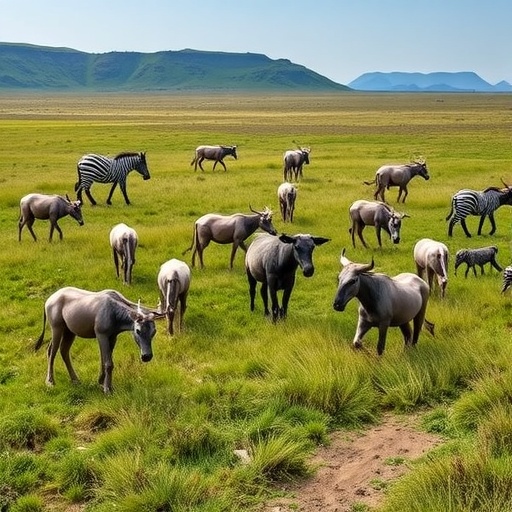
In March 2026, the global conservation community convened in Campo Grande, Brazil, for the fifteenth Conference of the Parties (COP15) to the Convention on the Conservation of Migratory Species of Wild Animals (CMS). This pivotal assembly brought together over 2,600 participants, including government officials, scientists, and conservationists, united by alarming evidence that many migratory species face intensifying threats, pushing some closer to extinction. The CMS, a legally binding United Nations treaty established in 1979, aims to foster international cooperation to safeguard migratory wildlife and their habitats across borders. COP15 resulted in an expansive suite of new conservation commitments and species protections, underscoring the critical need for immediate, coordinated action across jurisdictions.
The opening sessions of COP15 highlighted sobering scientific data revealing that nearly half of all migratory species currently protected under CMS treaties are experiencing population declines. The interim State of the World’s Migratory Species report demonstrated negative trends across key biodiversity indicators, with escalating extinction risks for numerous species. Particular concern was expressed regarding the impacts of habitat loss, overexploitation, and infrastructural barriers that fragment migratory corridors and disrupt essential ecological connectivity. These findings cast a stark light on the challenges facing migratory fauna that rely on intact, transboundary habitats for survival.
A central theme of the conference was the necessity of integrating robust scientific evidence with politics and international law to enhance conservation outcomes. The range of threats discussed extended beyond traditional concerns to include emerging challenges such as deep-sea mining, microplastic pollution, underwater noise disturbance, climate change, illegal wildlife killing, fisheries bycatch, and marine pollution. These multifaceted pressure points complicate conservation interventions, requiring innovative policy mechanisms and collaboration among diverse stakeholders including environmental agencies, Indigenous communities, and multilateral institutions like CITES and the Intergovernmental Science-Policy Platform on Biodiversity and Ecosystem Services (IPBES).
COP15 marked a significant milestone with the addition or upgrading of 40 species and populations to the CMS Appendices I and II, which categorize species based on their extinction risk and conservation needs. Notably, the Zimbabwean population of the cheetah was recognized on Appendix I, indicating grave vulnerability, while the striped hyena also received elevated protective status. Avian species such as the snowy owl and various Gadfly petrels received new listings, reflecting increased assessments of their risks. In the aquatic realm, the giant otter and multiple hammerhead shark species saw their protection statuses enhanced, spotlighting their critical conservation statuses amid rapid global declines.
The appended listings impose concrete legal responsibilities on CMS Parties, compelling strict protections for endangered species and coordinated international management for those requiring joint conservation action. Appendix I species benefit from prohibitions on activities like capture, killing, and disturbance, alongside habitat preservation measures and mitigation of migration obstacles. Appendix II listings aim to harmonize conservation efforts across national borders through shared objectives, joint action plans, and monitoring programs, ensuring efforts in one country are reinforced rather than negated by lax protections elsewhere.
To complement legislative measures, COP15 endorsed fifteen new Concerted Actions—targeted conservation initiatives focusing on species such as the Eurasian lynx, sperm whale populations in the Eastern Tropical Pacific, and various rays and sharks. These plans emphasize evidence-based management tailored to the life history traits and threats specific to each species or population. Simultaneously, ten new or revisited multi-species and species-focused action plans were approved, encompassing critical ecosystems from the Amazon basin to the African-Eurasian migratory landbird flyway. These are designed to tackle connectivity, habitat conservation, and threat mitigation on scales commensurate with species’ migratory ranges.
One emblematic example of progress comes from the Concerted Action report on giraffes, demonstrating a nearly 20% population increase over five years for the four recognized species across African landscapes. This highlights how coordinated intervention, informed by conservation science and international collaboration, can yield tangible wildlife recovery outcomes, providing a hopeful model for the broader biodiversity crisis.
A groundbreaking aspect of COP15 was the integration of Indigenous and local knowledge systems into scientific frameworks, signaling a paradigm shift toward inclusive conservation governance. Discussions wrestled with how to harmonize traditional ecological understanding with scientific rigor, recognizing that local stakeholders often possess critical insights into species behaviors and habitat conditions that augment data-driven approaches. This pluralistic knowledge approach promises to enhance adaptive management in complex ecological settings.
CMS Executive Secretary Amy Fraenkel emphasized the urgency of moving swiftly from agreement to implementation, underscoring that migratory species cannot await the triennial meetings for protection advances. The strengthened protections for flagship species like the giant otter and great hammerhead shark illustrate the clear policy impacts achievable when science informs diplomacy and political will. However, closing the gap between international commitments and on-the-ground conservation action remains a formidable challenge requiring sustained investment and collaboration.
From a geopolitical perspective, João Paulo Capobianco, COP15 Chair and Executive Secretary of Brazil’s Ministry of the Environment and Climate Change, articulated the profound symbolism and responsibility embodied by migratory species. These animals transcend human-imposed borders and represent living threads linking ecosystems worldwide, from the tropical Pantanal wetlands to the Arctic tundra. Their preservation is a testament to global solidarity and ecological interdependence, essential in an era marked by biodiversity loss and climate uncertainty.
Looking forward, with Brazil assuming the CMS COP Presidency, the momentum generated at COP15 is expected to catalyze regional and global conservation efforts through 2029. Germany will host COP16 in Bonn, coinciding with CMS’s 50th anniversary, representing an opportunity to evaluate mid-century progress and recalibrate strategies to counter accelerating biodiversity challenges.
Scientific innovation also took center stage with the unveiling of advanced tools like the Global Assessment of Migratory Freshwater Fishes, which highlights critical declines in freshwater migratory species fundamental to ecosystem health. An Online Atlas of the Americas Flyways was introduced, offering unprecedented spatial data on vulnerable bird populations across hemispheric migration routes. These resources exemplify how data-driven technologies can enhance conservation planning and international coordination efficacy.
Further, a new CMS-led global initiative targeting the illegal and unsustainable taking of migratory species marks a proactive stance to curtail pressures from poaching, unsanctioned fishing, and wildlife trafficking. By linking enforcement with community engagement and policy reform, this approach aims to tackle one of the most persistent and destabilizing drivers of biodiversity loss.
COP15 also acknowledged nine new ‘champions’ of migratory species—organizations and individuals with sustained commitment to conservation efforts. Recognition mechanisms like these foster accountability and inspire ongoing engagement, vital for the long-term success of global treaties in a complex geopolitical landscape.
The cumulative actions adopted at COP15—ranging from species listings and action plans to scientific assessments and cross-sector cooperation—underscore CMS’s critical role as a compass in navigating the global biodiversity crisis. The urgency of securing migratory species’ futures amidst mounting anthropogenic threats demands that science-informed international policy translates rapidly into effective conservation realities on the ground. The path forward requires unwavering political resolve, innovative science, inclusive governance, and societal commitment aligned to this singular ecological imperative.
Subject of Research: Conservation of migratory species and their habitats through international treaties and coordinated scientific management.
Article Title: COP15 in Brazil Spurs Landmark Protections for Migratory Species Amid Biodiversity Crisis
News Publication Date: March 2026
Web References:
– CMS official site: https://www.cms.int/
– State of the World’s Migratory Species report: https://www.eurekalert.org/news-releases/1118733
– Global initiative against illegal taking of migratory species: https://www.eurekalert.org/news-releases/1121422
– Vital freshwater fish migrations report: https://www.eurekalert.org/news-releases/1119433
– Americas Flyways Atlas: https://www.eurekalert.org/news-releases/1121605
– CMS Migratory Species Champion Award: http://www.cms.int/news/migratory-species-champion-award-honors-long-term-commitments-conservation-initiatives-cms
Image Credits: CMS
Keywords: Migratory species, biodiversity conservation, CMS COP15, international cooperation, species protection, habitat connectivity, extinction risk, wildlife conservation law, ecological diversity, hammerhead shark, cheetah conservation, migratory birds, aquatic wildlife, illegal wildlife trade, climate change impacts


