


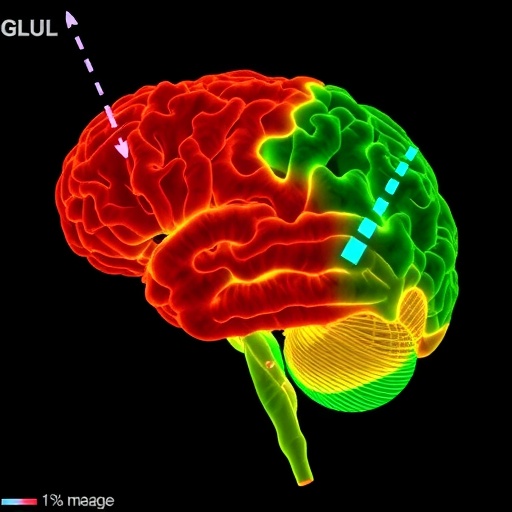
In a groundbreaking study published in Scientific Reports, researchers led by Oh et al. have embarked on an extensive journey to unravel the complexities surrounding GLUL-related developmental and epileptic encephalopathy (DEE). This condition, associated with mutations in the GLUL gene—essential for synthesizing the neurotransmitter glutamate—has long been a subject of intrigue within the neuroscience community. By identifying additional clinical manifestations and genetic variations, this research paves the way for enhanced diagnostic protocols and therapeutic interventions.
The GLUL gene encodes an enzyme known as glutamine synthetase, which plays a pivotal role in maintaining the balance of glutamate levels in the brain. When the functioning of this enzyme is compromised due to genetic mutations, it can lead to an accumulation of glutamate, which is toxic at elevated concentrations. This toxicity is a hallmark of various neurological disorders, especially those characterized by developmental delays and epileptic episodes. Researchers have increasingly recognized the critical need to explore the consequences of GLUL mutations beyond the known manifestations.
Oh and colleagues meticulously reviewed medical records and genetic data from patients diagnosed with GLUL-related DEE across multiple healthcare institutions. This multi-center approach enabled a richer and broader understanding of the variability in clinical presentations. By analyzing a cohort comprising diverse demographics, the researchers managed to uncover new phenotypic features that were not previously attributed to GLUL mutations. These findings are paramount, as they suggest that the condition may present a wider spectrum of symptoms that require attention.
One of the eye-opening discoveries was the identification of certain neurodevelopmental characteristics that had not been linked to GLUL mutations before. Patients exhibited a range of cognitive and motor impairments, as well as unique behavioral challenges. Such findings underline the importance of a comprehensive clinical assessment in affected individuals, as these diverse attributes can inform tailored therapeutic strategies. Genetic epilepsy landscapes are hence broadened with the possible introduction of more efficacious treatment methods.
Moreover, the research team employed advanced genomic sequencing techniques, which allowed for a more nuanced identification of mutations. This was crucial, as certain variants of the GLUL gene may yield different clinical outcomes. Notably, the use of next-generation sequencing facilitated the discovery of previously unreported mutations. The thorough exploration of these genetic variants sheds light on the pathophysiological mechanisms underpinning the disorder, thus bridging the gap between genotype and phenotype.
The implications of the study extend far beyond theoretical knowledge; they signal a urgent call to action for better screening protocols. The varied clinical manifestations associated with GLUL mutations necessitate that healthcare providers remain vigilant in considering such genetic possibilities in patients presenting with unexplained developmental delays or seizures. This comprehensive examination fosters early detection of GLUL-related DEE, potentially leading to timely interventions that can improve patient lives.
Furthermore, understanding the genetic underpinnings also supports the development of gene-targeted therapies. As researchers delve into the intricacies of the GLUL gene and the abnormalities arising from its mutations, the potential for innovative treatment paradigms becomes increasingly feasible. Specifically, restoring glutamate homeostasis could provide a crucial therapeutic avenue, tailormade for individuals affected by this debilitating condition.
In their conclusion, Oh et al. emphasize the collaborative effort required in the field of genetics and neuroscience to dissect the pathways impacted by GLUL mutations. The establishment of consortia among multidisciplinary teams can facilitate further studies. Such partnerships may expedite research into the full spectrum of GLUL-related conditions, optimizing patient outcomes through integrated care approaches.
As this pioneering research resonates with the scientific community, it also opens up discussions about the broader implications of genetic mutations in neurodevelopmental disorders. It constitutes a vital step in recognizing the multifaceted nature of epilepsy and developmental challenges while highlighting the necessity for continuous genetic research.
In essence, this study encapsulates a dynamic intersection of genetics, neurology, and patient care. The insights garnered from Oh et al.’s work not only redefine boundaries but invigorate hope for future advancements in treatment and understanding of GLUL-related developmental and epileptic encephalopathy. The spiraling implications of this research could very well extend to related disorders, inciting further explorations that might yield transformative healthcare solutions.
As we stand at the precipice of this new knowledge, it is essential to engage in dialogues surrounding ethical considerations, particularly as advancements in genetic testing become more integrated in clinical practice. The delicate balance between innovation and responsible application of genetic findings should inform future trajectories in the field.
Through collaborations that transcend traditional disciplinary boundaries, the hope is to glean deeper insights into neurodevelopmental genetics, potentially unlocking mysteries that have far-reaching impacts on the lives of many patients and families grappling with these challenging conditions. As we chart the future course in this specialized arena of research, the synergistic approach embodied by Oh and colleagues could serve as a model for unraveling other complex genetic enigmas.
This research is a clarion call to harness the vast potential of modern genetics, catalyzing an era marked by breakthroughs that herald a brighter future for individuals living with GLUL-related DEE and similar disorders. The journey towards understanding and treating such conditions is ongoing, yet the strides made by these researchers illuminate a path forward that inspires optimism and encourages continuous exploration.
Oh, D.E., Jang, S.S., Kim, W.J. et al. Expanding the clinical and genetic spectrum of GLUL-related developmental and epileptic encephalopathy.
Sci Rep 15, 35655 (2025). https://doi.org/10.1038/s41598-025-19666-4
Cite Scienmag News
Juliet Wilcox. (October 13, 2025). New Insights into GLUL-Related Epileptic Encephalopathy. Scienmag. https://scienmag.com/new-insights-into-glul-related-epileptic-encephalopathy/
Juliet Wilcox. "New Insights into GLUL-Related Epileptic Encephalopathy." Scienmag, 13 October 2025, https://scienmag.com/new-insights-into-glul-related-epileptic-encephalopathy/. Accessed 3 September 2026.
Juliet Wilcox. "New Insights into GLUL-Related Epileptic Encephalopathy." Scienmag. October 13, 2025. https://scienmag.com/new-insights-into-glul-related-epileptic-encephalopathy/


