


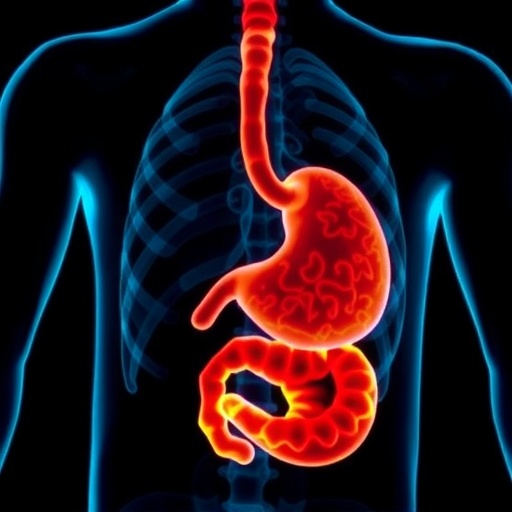
Metastatic gastric cancer remains one of oncology’s most formidable challenges, often delivering devastating prognoses despite decades of research. However, the last five years have witnessed remarkable strides in the understanding and management of this aggressive malignancy, driven by remarkable advances in biomarker-driven therapies and innovative treatment modalities. This shift toward precision oncology is reshaping the therapeutic landscape, offering new hope for patients faced with this historically lethal disease.
At the heart of recent progress is the nuanced stratification of metastatic gastric cancer based on molecular characteristics. Traditional chemotherapy regimens, primarily centered on fluoropyrimidine and platinum compounds, continue to serve as the backbone of first-line treatment. Yet, these agents are increasingly integrated with novel biomarker-informed strategies that identify patients who may benefit from the addition of immune checkpoint inhibitors and targeted therapies. This tailored approach aims to enhance efficacy while minimizing unnecessary toxicity, marking a paradigm shift from one-size-fits-all chemotherapy to individualized intervention.
Microsatellite instability (MSI), program death ligand 1 (PD-L1) expression, and protein overexpression such as human epidermal growth factor receptor 2 (HER2) have emerged as critical biomarkers guiding therapeutic decisions. MSI-high tumors, although representing a minority of gastric cancers, are particularly sensitive to immune checkpoint blockade. Similarly, PD-L1 expression on tumor or immune cells can predict responsiveness to checkpoint inhibitors, thereby enabling selective patient enrollment into immunotherapy regimens. HER2 positivity, an established target in breast cancer, has found a pivotal role in advanced gastric cancer, leading to the integration of anti-HER2 agents that complement cytotoxic chemotherapy.
More recently, claudin 18.2 (CLDN18.2), a tight junction protein aberrantly expressed in a subset of gastric cancers, has been identified as a promising therapeutic target. Agents targeting CLDN18.2 exploit its restricted expression profile to deliver cytotoxic payloads directly or to engage the immune system in novel ways, thus potentially broadening effective therapeutic options. The clinical incorporation of biomarker-driven agents into routine practice underscores a move toward molecularly delineated subgroups that may profoundly influence patient outcomes.
However, despite these exciting developments, the reality remains sobering: most patients with metastatic gastric cancer eventually experience disease progression, and durable complete responses are rare. Resistance mechanisms, both intrinsic and acquired, continue to undermine sustained benefit from current therapies. Consequently, there is an urgent need for additional strategies that can overcome therapeutic resistance and provide long-lasting disease control.
In response, ongoing research is intensifying focus on next-generation treatment modalities. Antibody-drug conjugates (ADCs) have garnered significant attention, combining the specificity of monoclonal antibodies with potent cytotoxic agents to selectively eradicate tumor cells while mitigating systemic toxicity. These “smart bombs” represent a sophisticated evolution in targeted therapy, exemplified by agents directed against HER2 and CLDN18.2 that are currently in clinical investigation or early adoption.
Bispecific antibodies further enhance therapeutic precision by simultaneously engaging two distinct targets or cells, often bringing cytotoxic immune cells into close proximity with cancer cells. This dual-targeting approach holds promise to surmount resistance and elicit stronger antitumor responses, particularly when conventional single-target therapies falter. Early clinical data suggest bispecifics may revolutionize the management of molecularly defined gastric cancer subtypes.
Cellular therapies, including chimeric antigen receptor (CAR) T cells and other engineered immune effector cells, offer yet another frontier. By equipping the patient’s immune system with the tools to recognize and destroy tumor cells more effectively, these approaches aim to achieve durable remissions. Although in their infancy for gastric cancer, cellular therapies have transformed treatment paradigms in hematologic malignancies and are poised to impact solid tumors as well.
Complementing these advances, the integration of circulating tumor DNA (ctDNA) assays in clinical workflows is rapidly gaining traction. This non-invasive technique enables real-time monitoring of tumor evolution and therapeutic response, potentially guiding treatment modifications before clinical progression occurs. ctDNA dynamics may also reveal emergent resistance mutations and facilitate patient selection for appropriate targeted agents.
Theranostic agents, which combine diagnostic and therapeutic capabilities, represent an exciting innovation in personalizing treatment. By enabling precise imaging and targeted delivery of therapies, theranostics could refine patient stratification and optimize therapeutic index, offering tailored interventions with minimized collateral damage. This evolving field intersects molecular imaging and targeted therapy in ways that could revolutionize clinical decision-making.
Together, these multifaceted strategies underscore a broader movement toward precision medicine in metastatic gastric cancer. The integration of molecular profiling, sophisticated biologics, and real-time monitoring platforms has inaugurated an era where treatment selection is increasingly data-driven and adapted to the biological nuances of each patient’s tumor. Such evolution promises to improve outcomes, although translation into durable cures remains a lofty goal.
Despite this optimism, significant challenges persist. Tumor heterogeneity, both within individual lesions and across metastatic sites, complicates biomarker assessment and therapeutic targeting. The tumor microenvironment, often immunosuppressive, presents formidable barriers to effective immune-based therapies. Additionally, optimizing the sequencing and combination of new agents demands rigorous clinical trial design and biomarker validation to maximize patient benefit.
Addressing these complexities requires continued collaboration across disciplines, integrating genomic insights with immunology, pharmacology, and clinical oncology. Emerging therapeutics must undergo robust evaluation, harnessing adaptive trial designs and incorporating novel endpoints such as minimal residual disease detection via ctDNA. Patient-centric approaches, incorporating quality-of-life metrics alongside survival data, will also be critical in defining the true impact of new treatments.
Furthermore, equitable access to advanced molecular diagnostics and therapies remains a global imperative. Gastric cancer disproportionately burdens regions with limited healthcare resources, where standard chemotherapy remains the mainstay. Bridging this gap necessitates international efforts to expand testing infrastructure, clinical trial availability, and education to ensure innovations translate into population-level improvements.
In summary, metastatic gastric cancer management stands on the cusp of a transformative era, driven by biomarker-guided immunotherapy and targeted agents that exploit tumor-specific vulnerabilities. The convergence of next-generation ADCs, bispecific antibodies, cellular therapies, and advanced monitoring platforms charts a bold course toward more effective and personalized treatment paradigms. While challenges remain formidable, the integration of these emerging modalities holds tangible promise to redefine the prognosis of this devastating disease.
As clinical experience broadens and novel therapeutics mature, the hope is that durable responses will become more frequent, and survival outcomes will steadily improve. This vision, once elusive, is increasingly within reach thanks to these rapid scientific advances. Continued investment in research, interdisciplinary collaboration, and equitable care delivery will be pivotal in transforming the future of metastatic gastric cancer from a diagnosis of despair into one of hope.
Cite Scienmag News
Nathaniel Bowman. (March 10, 2026). New Horizons in Metastatic Gastric Cancer Treatment. Scienmag. https://scienmag.com/new-horizons-in-metastatic-gastric-cancer-treatment/
Nathaniel Bowman. "New Horizons in Metastatic Gastric Cancer Treatment." Scienmag, 10 March 2026, https://scienmag.com/new-horizons-in-metastatic-gastric-cancer-treatment/. Accessed 3 September 2026.
Nathaniel Bowman. "New Horizons in Metastatic Gastric Cancer Treatment." Scienmag. March 10, 2026. https://scienmag.com/new-horizons-in-metastatic-gastric-cancer-treatment/


