


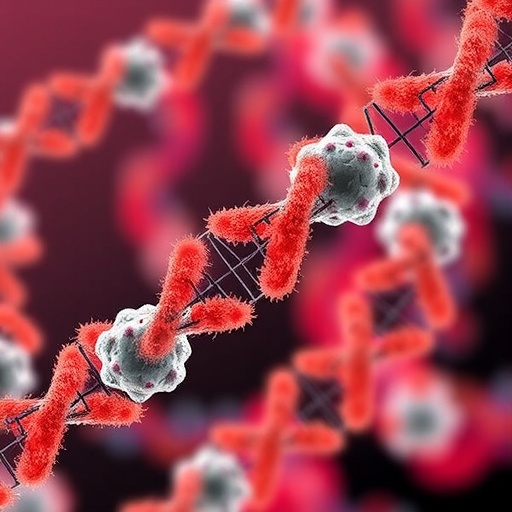
For the first time, scientists have systematically characterized the genetic consequences chemotherapy inflicts upon healthy human tissues, revealing groundbreaking insights that could revolutionize the future of cancer treatment. In a comprehensive study conducted by researchers from the Wellcome Sanger Institute, the University of Cambridge, and Cambridge University Hospitals NHS Foundation Trust, newly uncovered evidence shows that many chemotherapy drugs induce significant mutational damage and premature ageing in healthy blood cells, an effect that varies widely depending on the specific agent used. These findings, published in the prestigious journal Nature Genetics, lay the foundation for optimizing cancer therapies to minimize long-term harm while retaining their life-saving efficacy.
Chemotherapy, a cornerstone of systemic cancer treatment, exerts its effect by targeting rapidly dividing cells, primarily cancerous ones. However, because this approach impacts the entire body, it inevitably affects healthy cells, sometimes with lasting detrimental consequences. Historically, while the clinical side effects of chemotherapy have been well reported, the exact biological mechanisms driving these effects, particularly at the genomic level in non-cancerous tissues, remained unclear. This gap in knowledge hampered efforts to tailor chemotherapy regimens that would spare patients from unnecessary genetic damage and its downstream repercussions.
Harnessing the power of advanced genomic sequencing techniques, the researchers delved into the blood genomes of 23 patients ranging in age from infancy to octogenarians, all previously treated with various chemotherapy regimens for blood and solid cancers. This cohort was especially diverse in terms of the chemotherapeutic drugs administered, including 21 distinct agents spanning all major drug classes like alkylating agents, platinum-based compounds, and anti-metabolites. Their genomic profiles were meticulously compared against those of nine healthy individuals who had never undergone chemotherapy, allowing for precise identification of mutation burdens and unique molecular fingerprints termed “mutational signatures.”
The study revealed a striking variation in chemotherapy-induced mutagenesis. Not all chemotherapeutic drugs generated genetic mutations or premature ageing at equivalent rates. For example, children treated with the platinum agents carboplatin and cisplatin accumulated substantial genetic lesions in their blood cells, evidenced by extraordinarily high mutation counts. Conversely, other drugs in the same class, such as oxaliplatin, displayed surprisingly low mutagenic profiles. This nuanced understanding challenges the conventional assumption that chemically related drugs carry uniform risks and suggests a new paradigm for selecting chemotherapies based on genomic toxicity.
Detailed mutational signature analysis further exposed four novel patterns of DNA damage uniquely associated with chemotherapy exposure. These signatures act as molecular fingerprints revealing the underlying mechanisms by which each drug damages DNA, including the formation of DNA adducts, crosslinking, and double-strand breaks. By piecing together these signature profiles, researchers can now begin to predict how specific chemotherapies might accelerate genetic ageing processes in hematopoietic stem cells, potentially predisposing patients to secondary cancers years later.
A particularly critical discovery concerned the hematopoietic stem cell (HSC) compartment, which sustains blood cell production throughout life. Under normal ageing, HSC diversity diminishes, partly due to the expansion of clones bearing so-called driver mutations implicated in cancer development. The study demonstrated that certain chemotherapy agents precipitate a premature reduction in HSC diversity, effectively mimicking accelerated ageing within the blood system. This effect was notably prominent in pediatric cases, implying that young cancer survivors might face heightened susceptibility to treatment-related hematologic malignancies decades post-therapy.
These revelations carry profound clinical implications. As many chemotherapy drugs are interchangeable in certain treatment protocols when efficacy is equivalent, the new genomic insights offer a compelling rationale to prioritize agents that minimize mutational harm to healthy tissues. Such precision-guided therapy would not only reduce the risk of long-term adverse effects but also preserve patients’ future options for salvage treatments by maintaining healthier hematopoietic reserves.
Beyond therapy selection, the authors emphasize the potential for genomic monitoring over time, wherein sequencing approaches could track the mutational landscape and stem cell clone dynamics in survivors. Detecting early molecular signs of chemotherapy-induced ageing or emerging premalignant clones could open avenues for timely interventions, personalized surveillance, and novel protective strategies to mitigate secondary cancer risks.
Dr Emily Mitchell, the study’s lead author, highlighted the uniqueness of the research: “For the first time, we have taken a systematic view of the genetic effects of chemotherapy on healthy tissues – in this case, blood. Our findings underscore that not all chemotherapies are equal in their genetic impact, and understanding these differences can guide the development of treatment plans that protect patient health in the long term.” Dr Jyoti Nangalia, co-lead and consultant haematologist, echoed these sentiments, underscoring how mutational data could inform safer chemotherapy regimens that continue to combat cancer effectively while reducing harmful side effects.
David Scott, Director of Cancer Grand Challenges, expressed optimism about the translational potential: “While chemotherapy remains a critical tool against many cancers, this research is crucial for improving its safety profile. By understanding which drugs drive genetic damage in healthy cells, future treatments may be tailored to offer patients powerful yet less toxic options.” Professor Sir Mike Stratton, Mutographs team lead, added that integrating genomic data into clinical decision-making could fundamentally change how oncologists approach chemotherapy, ushering in a new era of precision cancer treatment.
This landmark investigation demonstrates the transformative role that whole genome sequencing can play in oncology, extending beyond tumor profiling to spotlight the collateral genomic effects on normal tissues. As technologies evolve and more extensive studies encompass diverse tissue types and larger patient cohorts, the prospect emerges of a fully integrated therapeutic strategy balancing maximal tumor eradication with minimal harm, ultimately improving survivorship and quality of life. Such strides underscore the immense promise at the intersection of genomics, molecular biology, and clinical medicine to refine cancer care for generations to come.
News Publication Date: 1 July 2025
Web References:
- https://www.sanger.ac.uk
- https://www.facebook.com/CambridgeUniversityHospitals
- https://twitter.com/CUH_NHS
References:
- Mitchell E. et al. (2025) ‘The long-term effects of chemotherapy on normal blood cells’. Nature Genetics. DOI: 10.1038/s41588-025-02234-x
Cite Scienmag News
Juliet Wilcox. (July 1, 2025). New Discoveries on Genetic Damage from Certain Chemotherapies May Lead to Safer Future Treatments. Scienmag. https://scienmag.com/new-discoveries-on-genetic-damage-from-certain-chemotherapies-may-lead-to-safer-future-treatments/
Juliet Wilcox. "New Discoveries on Genetic Damage from Certain Chemotherapies May Lead to Safer Future Treatments." Scienmag, 1 July 2025, https://scienmag.com/new-discoveries-on-genetic-damage-from-certain-chemotherapies-may-lead-to-safer-future-treatments/. Accessed 4 September 2026.
Juliet Wilcox. "New Discoveries on Genetic Damage from Certain Chemotherapies May Lead to Safer Future Treatments." Scienmag. July 1, 2025. https://scienmag.com/new-discoveries-on-genetic-damage-from-certain-chemotherapies-may-lead-to-safer-future-treatments/


