

The field of protein design stands at the precipice of a revolutionary breakthrough that promises to reshape the landscape of biology, medicine, and technology. Proteins, the indispensable molecular machines within living organisms, execute virtually every essential biological function — from safeguarding genetic information to catalyzing metabolic reactions and facilitating cellular communication. Yet, for all their natural complexity, the prospect of designing proteins from the ground up, tailoring their sequences to yield specific structures and functions not found in nature, represents an unprecedented scientific frontier with enormous promise.
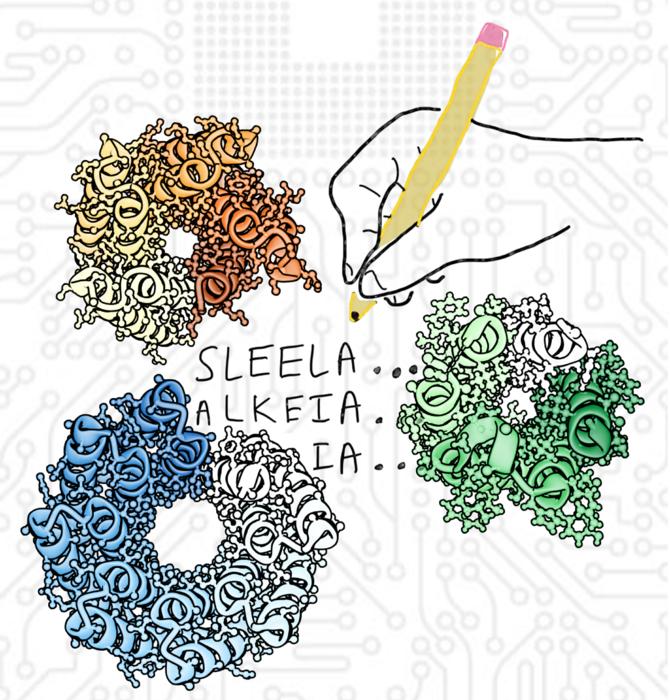
At the heart of this endeavor lies a critical insight: proteins are chains of amino acids that fold into intricate three-dimensional structures, and it is the precise order of these amino acids—known as the protein sequence—that dictates their folding and biological role. Decoding how sequences translate into structures was a monumental challenge for decades, requiring the interplay of biochemistry, structural biology, and computer science. The advent of powerful computational tools, especially artificial intelligence, has recently shattered these barriers, enabling predictions of protein folds with remarkable accuracy. This leap has laid the foundation for a new epoch in which proteins can not only be understood but intentionally crafted.
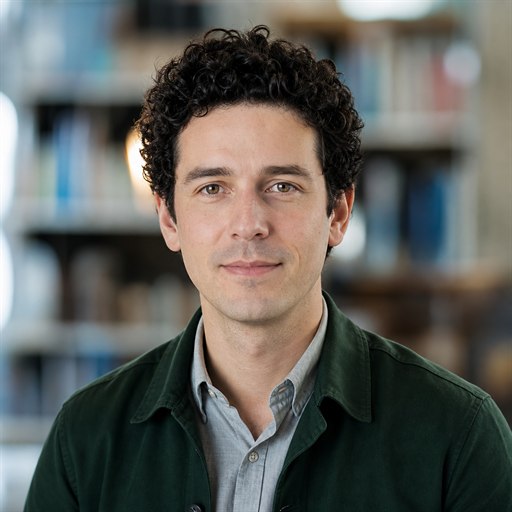
The Novo Nordisk Foundation Center for Protein Design (CPD), launching in August 2025 at the University of Copenhagen, aims to harness these advances and propel the field to unprecedented heights. Under the leadership of Dek Woolfson, a world-renowned pioneer in protein design, the CPD seeks to become a global nucleus for interdisciplinary research that fuses biology, chemistry, pharmacology, and computer science. Through cutting-edge computational design methods, including generative AI, the center aspires to engineer proteins capable of functioning under precise environmental conditions and with customized biological activities.
One of the transformative implications of this work is the creation of proteins that can sense, diagnose, and even treat diseases directly within the human body. By tailoring proteins to target specific pathological processes, researchers hope to develop novel therapeutics that are both highly effective and exquisitely specific. Beyond healthcare, artificial proteins may revolutionize industries by fostering greener pharmaceutical production, biodegradable materials, and innovative enzymes capable of degrading persistent pollutants such as plastics, ultimately contributing to environmental sustainability.
The recent 2024 Nobel Prize in Chemistry underscored the pivotal role of computational breakthroughs in protein science. This accolade honored two complementary streams of innovation: the prediction of protein three-dimensional structures from amino acid sequences, and the inverse problem of designing sequences to fold into predetermined structures. The awardees included Demis Hassabis and John Jumper from DeepMind for their development of AlphaFold, an AI system that accurately predicts protein folding, and biochemist David Baker, whose work enables the rational design of protein sequences to achieve target structures. Building upon these foundations, the CPD looks to transcend current limitations in design complexity and functional precision.
Despite these advances, the field confronts monumental challenges. A comprehensive understanding of the chemical and physical principles governing protein folding, stability, and dynamics remains incomplete. The CPD is committed to addressing these gaps through fundamental research that integrates computational modeling with experimental validation. The endeavor requires an intricate dissection of intra-molecular forces, folding pathways, and the impact of cellular environments on protein behavior. Success here will empower the design of proteins that operate reliably in the often harsh and variable contexts of living systems.
Interdisciplinary collaboration is the cornerstone of the CPD’s strategy. The center will unite experts from the Department of Biology, the Department of Drug Design and Pharmacology, as well as Chemistry and Computer Science at the University of Copenhagen. This amalgamation of diverse specialties is critical, as the complexities of protein design defy traditional disciplinary boundaries. Insights from quantum chemistry, structural biophysics, synthetic biology, and machine learning must converge to create a holistic pipeline from theoretical design to practical application.
A key aspect of the CPD’s mission involves cultivating the next generation of scientific talent equipped to navigate the multifaceted challenges of protein design. The center will train PhD candidates, postdoctoral researchers, and visiting scientists, fostering a vibrant community of innovators who understand both the computational frameworks and biochemical realities underlying artificially designed proteins. This educational mission ensures that the burgeoning field will maintain momentum and continue to evolve rapidly.
Globally, the CPD aims to position Europe as a powerhouse in protein design research. By forging international partnerships and establishing collaborative “spokes” such as one planned at the University of Bristol, the center will foster a vibrant exchange of ideas and technology across continents. Such a networked approach amplifies the impact of discoveries and accelerates translation from basic science to real-world solutions, exemplifying modern scientific enterprise.
The leadership of Dek Woolfson is critical to actualizing these ambitions. Woolfson’s distinguished career includes pioneering de novo protein design and promoting cross-disciplinary collaborations, particularly through initiatives like BrisSynBio at the University of Bristol. His election as a Fellow of the Royal Society underscores his standing in the scientific community. Under his stewardship, the CPD is expected to chart innovative paths, combining rigorous fundamental research with ambitious application-driven goals.
Looking forward, the landscape of protein design is poised to move beyond proof-of-concept achievements toward mainstream utility. This trajectory involves overcoming technical hurdles such as designing proteins with enhanced stability, specificity, and functionality in complex biological milieus. Advances in generative AI models will play an instrumental role, enabling the exploration of vast sequence spaces and identification of novel protein architectures that are optimized for multiple criteria simultaneously.
The successful realization of these aims heralds revolutionary applications across medicine, environmental science, and industry. Artificially designed proteins could unlock new classes of drugs that modulate biological pathways previously considered undruggable. Enzymes engineered to degrade plastics or capture atmospheric pollutants may help mitigate the dire consequences of human-induced environmental changes. Sustainable manufacturing powered by designer proteins can reduce reliance on harsh chemicals and energy-intensive processes.
In sum, the establishment of the Novo Nordisk Foundation Center for Protein Design signifies a decisive commitment to a field that promises to transform our understanding and manipulation of life’s fundamental machinery. By leveraging cutting-edge AI, interdisciplinary research, and visionary leadership, the CPD is poised to usher in a new era where proteins can be designed with surgical precision to meet humanity’s grandest challenges.
News Publication Date: Not explicitly stated; context suggests 2024 or later.
Web References: Not provided.
References: Not provided.
Cite Scienmag News
Gregory Coleman. (June 25, 2025). New Danish Research Center Pioneers Designed Proteins with Vast Potential. Scienmag. https://scienmag.com/new-danish-research-center-pioneers-designed-proteins-with-vast-potential/
Gregory Coleman. "New Danish Research Center Pioneers Designed Proteins with Vast Potential." Scienmag, 25 June 2025, https://scienmag.com/new-danish-research-center-pioneers-designed-proteins-with-vast-potential/. Accessed 3 September 2026.
Gregory Coleman. "New Danish Research Center Pioneers Designed Proteins with Vast Potential." Scienmag. June 25, 2025. https://scienmag.com/new-danish-research-center-pioneers-designed-proteins-with-vast-potential/


