


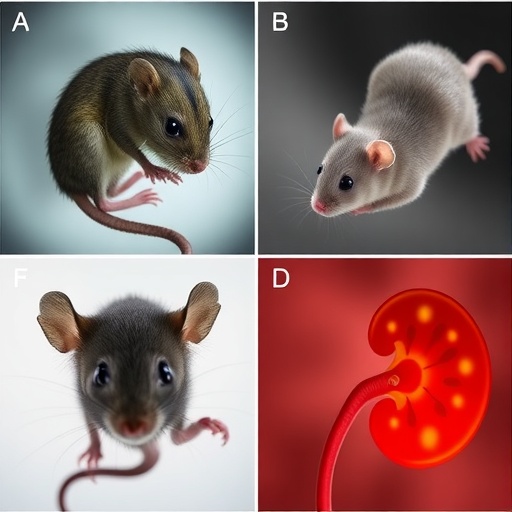
In a groundbreaking study recently published in Pediatric Research, researchers have unveiled compelling evidence linking hyperoxia—exposure to high oxygen levels—to significant kidney injury in neonatal mouse models designed to replicate bronchopulmonary dysplasia (BPD), a severe lung disease afflicting premature infants. This novel investigation not only highlights the multifaceted effects of hyperoxia beyond pulmonary impairment but also underscores the potential systemic consequences that premature newborns may face, heralding a paradigm shift in how neonatal care strategies are conceived.
Bronchopulmonary dysplasia remains a formidable challenge in neonatology, primarily characterized by arrested lung development and chronic respiratory distress in preterm infants. Traditionally, the focus has been heavily skewed toward pulmonary outcomes; however, the study conducted by Graumuller et al. has pivoted attention toward the renal system, revealing that hyperoxia induces morphological and biochemical alterations indicative of kidney injury. This revelation amplifies the importance of integrative organ system evaluation when managing hyperoxia in neonatal intensive care units.
Using meticulously designed hyperoxia-induced BPD mouse models, the researchers employed advanced histological techniques to discern microstructural changes within the neonatal kidneys. Their analyses revealed a conspicuous reduction in nephron number coupled with glomerular hypertrophy, implying compensatory responses to renal injury. These structural aberrations portend long-term renal impairment, echoing concerns previously underappreciated in neonatal hyperoxia exposure.
In parallel to morphological assessments, the team rigorously quantified urinary and plasma biomarkers, focusing on canonical indicators of kidney injury such as neutrophil gelatinase-associated lipocalin (NGAL) and kidney injury molecule-1 (KIM-1). Both biomarkers showed significant elevation in hyperoxia-exposed subjects compared to controls, consolidating the hypothesis of acute kidney damage under hyperoxic stress. This combinatorial approach of morphological and biomarker evaluation offers a robust framework for early detection of kidney injury in neonates.
The pathophysiological mechanisms driving hyperoxia-induced renal injury appear multifactorial. The study causally links oxidative stress with endothelial dysfunction within renal vasculature, precipitating inflammatory cascades and subsequent fibrotic remodeling. Hyperoxia-generated reactive oxygen species (ROS) evidently compromise glomerular integrity and tubular epithelial cell viability, facilitating progressive nephron loss. This mechanistic insight lays the groundwork for therapeutic interventions targeting oxidative pathways to mitigate multi-organ damage.
Importantly, the findings also raise clinical questions regarding the current protocols for oxygen supplementation in premature infants at risk for BPD. While oxygen therapy remains indispensable for survival, its detrimental effects on non-pulmonary tissues warrant a re-examination of dosage and duration parameters. The elucidation of kidney-specific molecular signatures in hyperoxia models could enable personalized oxygen titration strategies, optimizing respiratory support while minimizing systemic toxicity.
The study’s translational implications reverberate throughout neonatal medicine. Given the kidneys’ vital role in fluid and electrolyte balance, impaired renal function can exacerbate the vulnerability of preterm infants to hemodynamic instability and metabolic derangements. Early recognition and management of renal injury may therefore improve overall clinical outcomes, reducing the morbidity associated with protracted neonatal intensive care.
Moreover, the integration of biomarker analysis into neonatal screening protocols could revolutionize prognostication and tailor interventions. Currently, kidney injury in neonates often remains subclinical until significant damage accrues. However, the elevation of NGAL and KIM-1 in hyperoxia-exposed mice suggests the feasibility of non-invasive biomonitoring tools, facilitating prompt therapeutic responses and potentially averting chronic kidney disease development.
Beyond clinical considerations, this research prompts intriguing questions about organ cross-talk in neonatal pathology. The interplay between hyperoxia-induced pulmonary impairments and renal injury suggests that systemic inflammation and hypoxic-ischemic endothelial damage may act synergistically across organ systems. Future research could explore the molecular signaling networks bridging lung and kidney injury, opening avenues for holistic treatment modalities.
This study also exemplifies how animal models remain indispensable in elucidating pathobiological processes that are challenging to study directly in human neonates. The hyperoxia-induced BPD mouse model, with its controlled environment and genetic homogeneity, allowed precise dissection of oxygen’s deleterious effects on kidneys, informing hypotheses that clinical investigations can subsequently test. Such translational research is vital to bridge bench discoveries with bedside applications.
The authors call for further investigations into potential protective agents that could shield the neonatal kidney from hyperoxic insult. Antioxidants and anti-inflammatory therapeutics represent promising candidates that, if validated, could be incorporated into neonatal care regimens. Additionally, longitudinal studies assessing the long-term renal function of survivors exposed to hyperoxia are necessary to comprehend the full clinical impact and facilitate early intervention.
In light of these findings, neonatologists and pediatric nephrologists may need to collaborate more closely to devise comprehensive monitoring strategies for infants requiring oxygen therapy. Multidisciplinary care teams equipped with enhanced knowledge about the kidneys’ vulnerability could refine supportive care approaches, thereby reducing adverse outcomes and optimizing developmental trajectories.
This research marks a significant milestone in neonatal medicine by expanding the understanding of hyperoxia’s systemic ramifications. It challenges existing perceptions that categorize BPD solely as a pulmonary disorder and advocates for a more integrative viewpoint that encompasses potential renal complications. Such holistic perspectives are essential for advancing neonatal care in an era increasingly focused on precision medicine.
As the field awaits further studies to corroborate these findings in human subjects, the current data underscore the urgent need to balance the lifesaving benefits of supplemental oxygen with its latent harms. This delicate equilibrium necessitates nuanced clinical judgment underpinned by evolving scientific evidence – a mandate well exemplified by this pioneering investigation.
Ultimately, the study positions kidney injury as a critical, yet underrecognized, component of the neonatal hyperoxia syndrome. Addressing this knowledge gap could dramatically improve the quality of life not only for premature infants surviving BPD but also for long-term pediatric populations at risk for chronic kidney disease stemming from early nephron loss.
Through this seminal work, the authors have illuminated a complex pathophysiological landscape, highlighting that a seemingly localized neonatal condition carries far-reaching consequences for organ systems integral to homeostasis and growth. Their findings pave the way for novel diagnostic and therapeutic paradigms that promise to transform outcomes for the most vulnerable patients.
In conclusion, shedding light on the renal sequelae of hyperoxia-induced bronchopulmonary dysplasia represents a transformative advance in neonatal research. This integrative approach emphasizing both morphological and biomarker evidence sets a new standard, inspiring multidisciplinary efforts to safeguard neonatal organ health in the face of life-saving, yet potentially injurious, interventions.
Cite Scienmag News
Harold Sullivan. (May 6, 2026). Neonatal Kidney Injury in Hyperoxia BPD Mouse Models. Scienmag. https://scienmag.com/neonatal-kidney-injury-in-hyperoxia-bpd-mouse-models/
Harold Sullivan. "Neonatal Kidney Injury in Hyperoxia BPD Mouse Models." Scienmag, 6 May 2026, https://scienmag.com/neonatal-kidney-injury-in-hyperoxia-bpd-mouse-models/. Accessed 4 September 2026.
Harold Sullivan. "Neonatal Kidney Injury in Hyperoxia BPD Mouse Models." Scienmag. May 6, 2026. https://scienmag.com/neonatal-kidney-injury-in-hyperoxia-bpd-mouse-models/


